


 Tenders and Job OpportunitiesJob callsScholarships and research fellowshipsOpen CallsENGLISHPages
Pages
13/RBC/20 - Monitoraggio Sic in Calabria (MoSic)
 |
 |
 |
 |
 |
 |
 |
Monitoraggio SIC in Calabria”, PO FEAMP Calabria 2014-2020 Misura 1.40, (Protezione e ripristino della biodiversità e degli ecosistemi marini di compensazione nell’ ambito di attività di pesca sostenibili)
OBIETTIVO DEL PROGETTO
L'obiettivo generale del presente progetto è quello di proteggere e ripristinare la biodiversità e gli ecosistemi marini nell’ambito di attività di pesca sostenibili all’interno delle aree Natura 2000 della Regione Calabria.
Nello specifico verrà effettuata la ricognizione, aggiornamento e mappatura della pesca artigianale (aggiornamento flotta, caratteristiche attrezzi, specie target e by catch, dati di catture e sforzo) che opera nei SIC: IT9310053 Secca di Amendolara, IT9320097, IT9350172 Fondali da Punta Pezzo a Capo dell'Armi, IT9350173 Fondali di Scilla, IT9340093 Fondali di Capo Vaticano, IT9340092 Fondali di Pizzo Calabro, IT9340094 Fondali Capo Cozzo - S. Irene, Fondali da Crotone a Le Castella e nell’omonima Area Marina Protetta.
Tale attività sarà utile per l’aggiornamento dei piani di protezione e di gestione dei siti NATURA 2000. Nelle stesse aree sarà valutato lo stato di salute dell’habitat di interesse comunitario Praterie di Posidonie (Posidonion oceanicae) (habitat prioritario, cod. 1120*- Direttiva Habitat).
Un’importante attività di progetto prevede anche la sensibilizzazione degli operatori della pesca su tematiche legate alla tutela e alla conservazione della biodiversità marina (marine litter, best practices), per tale attività verranno coinvolte le principali marinerie della Regione Calabria sia del versante ionico che tirrenico, incluso lo Stretto di Messina.
Fondo
PO FEAMP Calabria 2014-2020 Codice progetto: 13/RBC/20 CUP J12C20003450009
Programma
PO FEAMP Calabria 2014-2020 Misura 1.40 Par. 1 lettera D, E, F, G)
Durata
23/09/2020 - 30/11/2022
Ruolo SZN
Coordinatore
Referente SZN
Silvestro Greco / Pierpaolo Consoli
Partner di Progetto
Università della Calabria, Università di Messina
Members of the Scientific Council 2023
| SZN Scientific Council | |
|
|
Keywords: molluscs, cephalopods, phylogenomics, systematics, deep sea This email address is being protected from spambots. You need JavaScript enabled to view it. |
|
|
Keywords: microbiology, evolution, ecology, environment, phylogenetic analysis, marine ecology, microbial molecular biology, genomics This email address is being protected from spambots. You need JavaScript enabled to view it. |
|
|
Department of Marine and Coastal Sciences, School of Environmental and Biological Sciences, Rutgers, The State University of New Jersey, USA Keywords: origins of life, biogeochemical cycles, photosynthesis, biological oceanography, molecular biology, biochemistry and biophysics, physiological adaptation, plant physiology, evolution, mathematical modeling, symbiosis This email address is being protected from spambots. You need JavaScript enabled to view it. |
|
|
Keywords: marine biology and ecology, marine conservation, marine socio-ecology, marine protected areas This email address is being protected from spambots. You need JavaScript enabled to view it. |
|
|
Institute for Biological Sciences (INSB) at CNRS in Paris Keywords: evolution, epithelia, cell polarity, cell-cell junctions, morphogenesis This email address is being protected from spambots. You need JavaScript enabled to view it. |
|
|
Keywords: marine ecology, community ecology, marine conservation, ocean solutions This email address is being protected from spambots. You need JavaScript enabled to view it. |

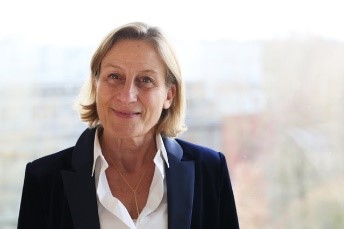
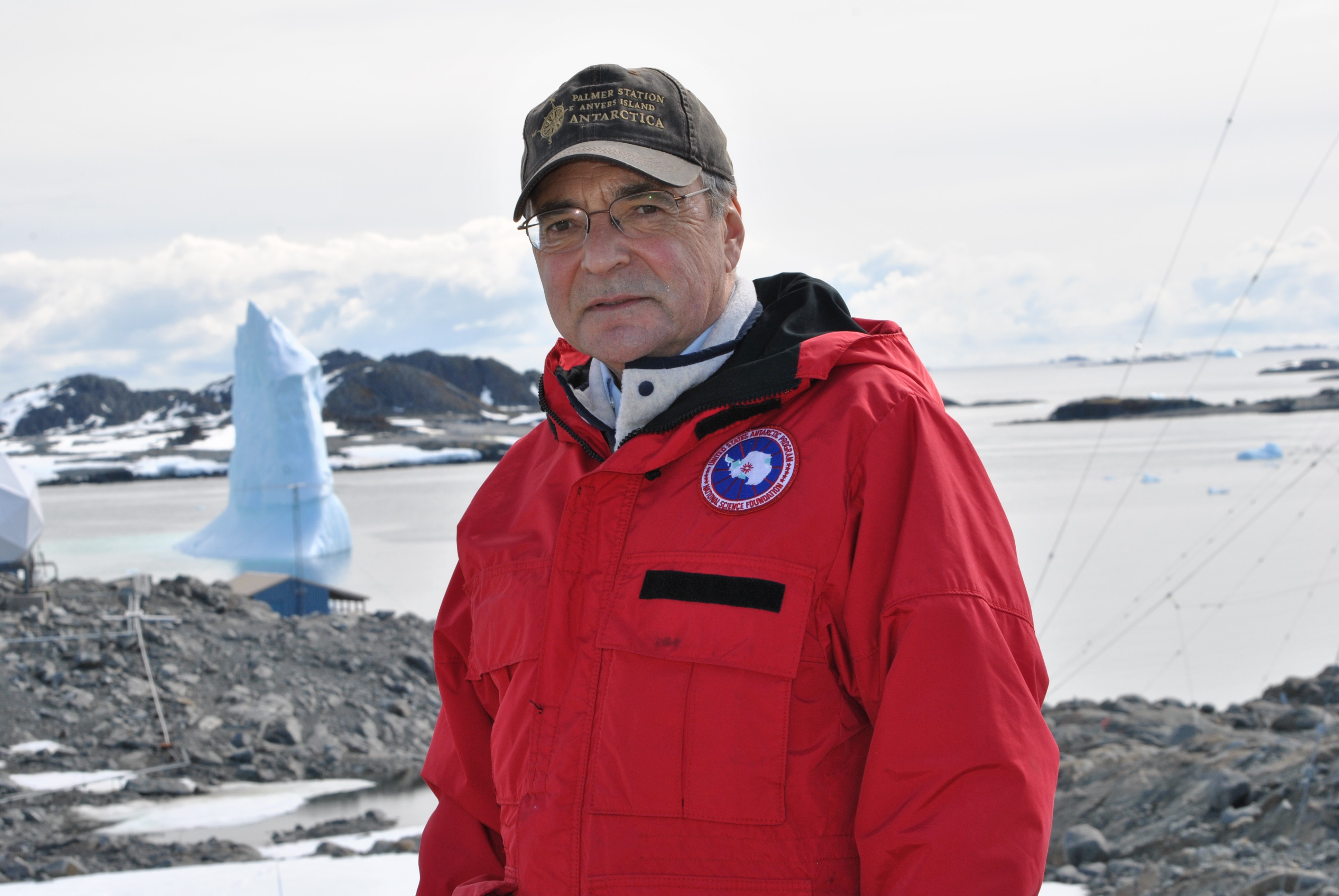

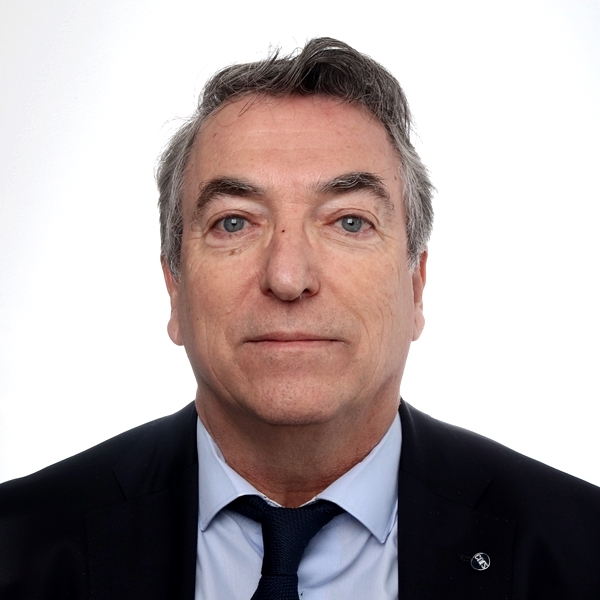
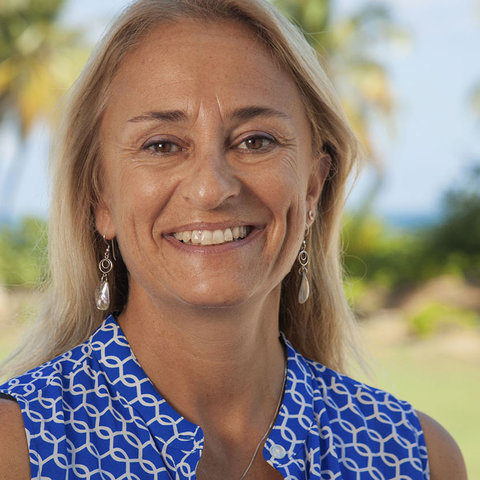
Members of the Scientific Council 2025
| SZN Scientific Council | |
|
|
Keywords: molluscs, cephalopods, phylogenomics, systematics, deep sea This email address is being protected from spambots. You need JavaScript enabled to view it. |
|
Prof. Paola Bonfante
|
https://www.dbios.unito.it/do/docenti.pl/Alias?paola.bonfante#tab-profilo Keywords:plant-microbe interactions; soil ecology, soil biodiversity; symbiosis, mycorrhizal associations, fungal endobacteria This email address is being protected from spambots. You need JavaScript enabled to view it. |
|
|
Keywords: microbiology, evolution, ecology, environment, phylogenetic analysis, marine ecology, microbial molecular biology, genomics This email address is being protected from spambots. You need JavaScript enabled to view it. |
|
|
Department of Marine and Coastal Sciences, School of Environmental and Biological Sciences, Rutgers, The State University of New Jersey, USA Keywords: origins of life, biogeochemical cycles, photosynthesis, biological oceanography, molecular biology, biochemistry and biophysics, physiological adaptation, plant physiology, evolution, mathematical modeling, symbiosis This email address is being protected from spambots. You need JavaScript enabled to view it. |
|
|
Keywords: marine biology and ecology, marine conservation, marine socio-ecology, marine protected areas This email address is being protected from spambots. You need JavaScript enabled to view it.
*temporary substitute for the member of the Scientific Council belonging to the staff Researchers/Technologists in service at the Institution |
|
|
Institute for Biological Sciences (INSB) at CNRS in Paris Keywords: evolution, epithelia, cell polarity, cell-cell junctions, morphogenesis This email address is being protected from spambots. You need JavaScript enabled to view it. |
|
|
Keywords: marine ecology, community ecology, marine conservation, ocean solutions This email address is being protected from spambots. You need JavaScript enabled to view it. |


International Summer School of Natural Products (ISSNP) 2023

V EDITION ISSNP: 2th – 7th July 2023
We are glad to announce the 5th edition of the “International Summer School of Natural Products” (ISSNP)
This edition will be hosted by the Grand Hotel Pianeta Maratea (Maratea, Italy).
The school is designed for PhD students and young researchers and aimed to build up a lively scientific community tackling global challenges in the field of natural products.
Strategical objectives will be focused on interdisciplinary and intersectoral learning, networking and cross collaborations.
A combination of lectures, seminars and interactive sessions will provide an immersive and challenging experience and team-based problem-solving activities will help the participants to be prepared for future research studies in these fields.
Applicants will learn from top scientists and professionals.
In order to become a leader yourself, it is very important to learn from leaders. ISSNP attracts experts who are typically busy and rarely available during the academic year.
Applicants will be able to network with like-minded colleagues.
ISSNP is built around specific themes and targets students and researchers who have an interest in and enthusiasm for this special subject, Natural Products. Networks will be constructed throughout the 5 days of school activities, during lectures, seminars and interactive sessions, working in-group.
Registration
To register visit to the Registration Page for the V Edition of the International Summer School on Natural Products (ISSNP) at https://www.issnpschool.org/register-now-2023/
The programme will be available at the link: https://www.issnpschool.org/programme/
Further information is available at the school website: https://www.issnpschool.org/
“BIAGIO ALBERTO DELLA BEFFA” PRIZE
Indena (www.indena.com), in partnership with the International Summer School of Natural Products ISSNP, is pleased to announce the institution of a biennial prize dedicated to the memory of its founder “Biagio Alberto Della Beffa.”
For the second edition of the “Biagio Alberto Della Beffa” Prize, three contest winners will be selected among the next International Summer School on Natural Products edition participants. The prize aims to award and support the professional development of young talented scientists in Natural Product Chemistry.
The prize is directed to Chemists, Pharmacists and Pharmaceutical Chemists possessing at least one of the following title(s)/requisite(s) related to Chemistry and Pharmaceutical Sciences:
• currently attending the 2nd or subsequent year of a PhD course;
• PhD degree achieved in 2021-2023;
• currently attending other postgraduate qualifications;
• postgraduate qualification title.
The three winners will be awarded a Grant of 5.000,00 €, and they will benefit of to a 6-month internship at Indena’s premises, that includes a Managerial course.
The prize will be awarded during the International Summer School on Natural Products, organizes among the 2nd and the 7th July 2023, signifying a closer collaboration between Industry and Academia.
To apply: https://www.issnpschool.org/apply-now/
Deadlines
Registration- Abstract Submission April 17th 2023
Application “BIAGIO ALBERTO DELLA BEFFA” Prize May 15th 2023
Kindly feel free to contact us (This email address is being protected from spambots. You need JavaScript enabled to view it.) for any further queries.
Scientific committee
Valeria COSTANTINO, President (Università degli Studi di Napoli Federico II)
Adele CUTIGNANO (Istituto di chimica biomolecolare, CNR)
Gerardo DELLA SALA (Stazione Zoologica Anton Dohrn)
Germana ESPOSITO (Università degli Studi di Napoli Federico II)
Gabriele FONTANA (Indena)
Roberta MARCHETTI (Università degli Studi di Napoli Federico II)
Luigi MILELLA (Università degli Studi della Basilicata)
Alberto MINASSI (Università degli Studi del Piemonte Orientale)
Maria Chiara MONTI (Università degli Studi di Salerno)
Mattia MORI (Università degli Studi di Siena)
Vera MUCCILLI (Università degli Studi di Catania)
Giorgia OLIVIERO (Università degli Studi di Napoli Federico II)
Giovanna ROMANO (Stazione Zoologica Anton Dohrn)
Valentina SEPE (Università degli Studi di Napoli Federico II)
Alessandra SILVANI (Università di Milano)
Advisory Board
William GERWICK (Department of Biology and Marine Biology and Center for Marine Science, UNCW)
Chiara GUERRERA (INSERM – Necker Proteomics, Paris)
Patrícia VALENTÃO (Faculty of Pharmacy, University of Porto).
PIR01_00018 - IPANEMA
PIR01_00018 - IPANEMA Implementazione del laboratorio naturale ECCSEL di Panarea e dell’osservatorio marino
Il progetto IPANEMA, finanziato dal PON – Programma Operativo Nazionale Ricerca e Innovazione 2014-2020 con la concessione di un finanziamento per un importo complessivo di € 8.786.920,18, prevede l’implementazione del laboratorio ECCSEL NatLab-Italy di Panarea con l’acquisto di strumentazioni all’avanguardia, utili alla determinazione e all’analisi dei principali parametri fisici, chimici, geologici e geofisici, nonché per l'acquisizione di sistemi di campionamento e di analisi in situ, sia tradizionali che innovativi, in modalità continua e sincronizzata. Tali strumentazioni consentiranno ricerche multidisciplinari di eccellenza a Panarea, località parte di un grande strato-vulcano sottomarino quiescente, caratterizzato da faglie tettoniche attive che formano un esteso campo fumarolico emittente CO2, e che è pertanto già stata scelta da OGS per indagare gli effetti dell'incremento dell'anidride carbonica sulle funzioni biogeochimiche ed ecologiche dell'ecosistema marino.
OBIETTIVO DEL PROGETTO
IPANEMA punta al potenziamento di una parte circoscritta dell'infrastruttura pan-europea ERIC – ECCSEL (European Carbon Dioxide Capture and Storage Laboratory Infrastructure) dedicata all'avanzamento delle competenze e delle conoscenze nel campo delle geo-scienze applicate e, in particolare, del laboratorio naturale ECCSEL NatLab-Italy di Panarea, parte integrante del nodo italiano di cui il soggetto beneficiario OGS costituisce il capofila a partire dall'anno 2018. Attraverso questo progetto, la sede a terra verrà fornita di nuova strumentazione scientifica da laboratorio e da campo altamente innovativa ai fini del campionamento, l'osservazione in situ e l'acquisizione di dati, così da sviluppare studi multidisciplinari nel campo delle scienze fisiche, chimiche, biologiche e geologiche. Mentre la sensoristica a mare verrà implementata mediante la messa in opera di un nuovo osservatorio sottomarino accogliente sensori, come lo AUV cioè un veicolo autonomo subacqueo ed il ROV guidato invece da remoto, capaci di raggiungere luoghi difficilmente accessibili alle comuni navi da ricerca e porre a disposizione nuove misure da applicare in ricerche inerenti i cambiamenti climatici, l'osservazione oceanica, la pesca e la mappatura degli habitat, l'acquacoltura offshore, l'archeologia marina, l'ecologia degli ambienti profondi, nonché per il monitoraggio ambientale e l’ecosistema.
Il progetto IPANEMA vede la partecipazione di OGS quale soggetto proponente (attraverso il laboratorio ECCSEL NatLab Italy di Panarea e il CTMO - Centro di Taratura e Metrologia Oceanografica quali proprie Unità Operative) e di INGV - Istituto Nazionale di Geofisica e Vulcanologia, INFN - Istituto Nazionale di Fisica Nucleare e SZN - Stazione Zoologica "Anton Dohrn" quali co-proponenti.
- Fondo: FESR
- Codice progetto: PIR01_00018
- Asse - Azione: Asse II - Azione Progetti Tematici II.1 - Infrastrutture di ricerca
Programma
• IT MIUR - PON
Durata
• 15/06/2019 - 14/06/2023
Tipologia progettuale
• Ricerca
Homepage
• http://www.ponricerca.gov.it/
Ruolo OGS
Coordinatore
Referente OGS
Partner di Progetto
 |
 |
 |
 |
Deep REef restoration And litter removal in the Mediterranean sea
 Programme: Programme for Environment and Climate Action (LIFE)
Title of the Project: Deep REef restoration And litter removal in the Mediterranean sea
Acronym: LIFE21-NAT-IT-LIFE DREAM
Duration: 01/09/2022 – 31/08/2027
Budget totalwe: € 5.308.472,89€
Web site
 The Marine Deep Reefs are fundamental benthic habitats recognized for acting as CO2 sinks and attracting highly diverse fauna. Multiple pressures are threatening the health of these habitats and resulting in the loss of their associated ecological functions, including climate change, fishing increments, and litter. The objective of LIFE21-NAT-IT-LIFE DREAM is to implement an innovative and sustainable approach to mitigate the effects of anthropogenic impacts on these habitats. LIFE21-NAT-IT-LIFE DREAM will provide supporting information for extending Natura 2000 to deep-sea habitats so as to promote actions of protection, recovery, and preservation. Additionally, the project will operate in pilot sites by deploying artificial structures aimed at facilitating the growth of deep reef-forming species and removing marine litter.
The CNR-ISMAR is the Coordinator of the Project and, in addition to managing the project, will collect and manage the data of LIFE21-NAT-IT-LIFE DREAM in Spatial Data Infrastructure consisting in software, hardware, spatial data, metadata, web services, data storage and standards. The created Geoportal will allow to share data, results, and improve the knowledge base, permitting further exploitation outside the project.
The main objectives of the Project are:
- Improving the knowledge base on Deep Reefs and the stressors threatening this habitat
- Extending the N2000 network by integrating the previous knowledge and acquiring new data
- Facilitate and promote the passive and active restoration of the Deep Reefs
- Prevent further litter accumulation
- Foster the circular economy concepts by recycling and reuse the removed marine litter
- Increase the public awareness about ocean health and human wellbeing
The expected results are:
- The development of an innovative and sustainable approach to mitigate anthropic pressure on Deep Reefs and promote their recovery
- The production of scientific data and knowledge on Deep Reefs to sustain the flow from scientists to decision-makers and enhance the natural resources management and governance
- The extension of the Natura 2000 network to deep benthic habitats by collecting and providing information to support the designation of 2 new deep-sea sites
- Apply restoration actions (either active or passive) that will extend the surface of the target habitats and provide new substrate for reefs forming species
- Develop a prototype for the removal of marine litter and enhance the cooperation with fisheries to follow a circular economy perspective and further recycle and reuse the litter removed
Contact in ISMAR: This email address is being protected from spambots. You need JavaScript enabled to view it.
Consortium
1. Consiglio Nazionale delle Ricerche - Istituto di Scienze Marine (CNR/ISMAR) (IT)
2. Università degli Studi di Bari Aldo Moro (IT)
3. Hellenic Centre for Marine Research (EL)
4. Net European Consulting srls (IT)
5. Enaleia Astiki Mi Kerdoskopiki Etaireia (EL)
6. Università Politecnica delle Marche (IT)
7. Agencia Estatal Consejo Superior De Investigaciones Cientificas (ES)
8. Università degli Studi di Napoli Federico II (IT)
9. Regione Puglia (IT)
10. Region of Thessaly (EL)
11. Stazione Zoologica Anton Dohrn (IT)
12. Federpesca – Federazione Nazionale delle Imprese di Pesca (IT)
Publications 2023
• Arrigoni R, Stolarski J, Terraneo TI, Hoeksema BW, Berumen ML, Payri C, Montano S (2023) Phylogenetics and taxonomy of the scleractinian coral family Euphylliidae. Contributions to Zoology 92: 130-171. https://doi.org/10.1163/18759866-bja10041
• Baden T, Briseño J, Coffing G, Cohen-Bodénès S, Courtney A, Dickerson D, Dölen G, Fiorito G, Gestal C, Gustafson T, et al. (2023) Cephalopod-omics: Emerging Fields and Technologies in Cephalopod Biology. Integrative and Comparative Biology 63: 1226-1239. https://doi.org/10.1093/icb/icad087
• Bagnoli S, Chiavacci E, Cellerino A, Terzibasi Tozzini E (2023) Localization and Characterization of Major Neurogenic Niches in the Brain of the Lesser-Spotted Dogfish Scyliorhinus canicula. International Journal of Molecular Sciences 24. https://doi.org/10.3390/ijms24043650
• Chatzievangelou D, Robinson NJ, Floegel S, Bongiorni L, Stefanni S, Aguzzi J (2023) Editorial: Data acquisition and processing strategies for the development of ecological indicators in the exploration and monitoring of deep-sea ecosystems under natural and anthropogenic changes. Frontiers in Marine Science 10: 1228891. https://doi.org/10.3389/fmars.2023.1228891
• Chiavacci E, Bagnoli S, Cellerino A, Terzibasi Tozzini E (2023) Distribution of Brain-Derived Neurotrophic Factor in the Brain of the Small-Spotted Catshark Scyliorhinus canicula, and Evolution of Neurotrophins in Basal Vertebrates. International Journal of Molecular Sciences 24. https://doi.org/10.3390/ijms24119495
• Cocurullo M, Paganos P, Annunziata R, Voronov D, Arnone MI (2023) Single-Cell Transcriptomic Analysis Reveals the Molecular Profile of Go-Opsin Photoreceptor Cells in Sea Urchin Larvae. Cells 12: 2134. https://doi.org/10.3390/cells12172134
• Cocurullo M, Paganos P, Wood NJ, Arnone MI, Oliveri P (2023) Molecular and Cellular Characterization of the TH Pathway in the Sea Urchin Strongylocentrotus purpuratus. Cells 12: 272. https://doi.org/10.3390/cells12020272
• Coker DJ, DiBattista JD, Stat M, Arrigoni R, Reimer J, Terraneo T, Villalobos R, Nowicki JP, Bunce M, Berumen ML (2023) DNA metabarcoding confirms primary targets and breadth of diet for coral reef butterflyfishes. Coral Reefs 42: 1-15. https://doi.org/10.1007/s00338-022-02302-2
• De Vivo G, Crocetta F, Ferretti M, Feuda R, D'Aniello S (2023) Duplication and Losses of Opsin Genes in Lophotrochozoan Evolution. Molecular Biology and Evolution 40: msad066. https://doi.org/10.1093/molbev/msad066
• Destanovic D, Schultz DT, Styfhals R, Cruz F, Gómez-Garrido J, Gut M, Gut I, Fiorito G, Simakov O, Alioto TS, et al. (2023) A chromosome-level reference genome for the common octopus, Octopus vulgaris (Cuvier, 1797). G3-Genes Genomes Genetics 13. https://doi.org/10.1093/g3journal/jkad220
• Di Gregorio A, Locascio A, Ristoratore F, Spagnuolo A (2023) Women Researchers in Tunicate Biology at the Stazione Zoologica Anton Dohrn in Napoli. Genesis, e23573. doi: https://doi.org/10.1002/dvg.23573.
• Dissegna A, Borrelli L, Ponte G, Chiandetti C, Fiorito G (2023) Octopus vulgaris exhibits interindividual differences in behavioural and problem-solving performance. Biology, 12(12): 1487. https://www.mdpi.com/2079-7737/12/12/1487#
• Eliso MC, Bergami E, Bonciani L, Riccio R, Belli G, Belli M, Corsi I, Spagnuolo A (2023) Application of transcriptome profiling to inquire into the mechanism of nanoplastics toxicity during Ciona robusta embryogenesis. Environmental Pollution 318: 120892. https://doi.org/10.1016/j.envpol.2022.120892
• Esposito MC, Russo GL, Riva L, Punta C, Corsi I, Tosti E, Gallo A (2023) Nanostructured cellulose sponge engineered for marine environmental remediation: Eco-safety assessment of its leachate on sea urchin reproduction (Part A). Environmental Pollution 334: 122169. https://doi.org/10.1016/j.envpol.2023.122169
• Farhat S, Modica MV, Puillandre N (2023) Whole Genome Duplication and Gene Evolution in the Hyperdiverse Venomous Gastropods. Molecular Biology and Evolution 40: msad171. https://doi.org/10.1093/molbev/msad171
• Fassio G, Stefani M, Russini V, Buge B, Bouchet P, Treneman N, Malaquias MAE, Schiaparelli S, Modica MV, Oliverio M (2023) Neither slugs nor snails: a molecular reappraisal of the gastropod family Velutinidae. Zoological Journal of the Linnean Society 197: 924-964. https://doi.org/10.1093/zoolinnean/zlac091
• Gafranek JT, D'Aniello E, Ravisankar P, Thakkar K, Vagnozzi RJ, Lim HW, Salomonis N, Waxman JS (2023) Sinus venosus adaptation models prolonged cardiovascular disease and reveals insights into evolutionary transitions of the vertebrate heart. Nature Communications 14: 5509. https://doi.org/10.1038/s41467-023-41184-y
• Gallo A, Murano C, Notariale R, Caramiello D, Tosti E, Cecchini Gualandi S, Boni R (2023) Immune and Reproductive Biomarkers in Female Sea Urchins Paracentrotus lividus under Heat Stress. Biomolecules 13. https://doi.org/10.3390/biom13081216
• Imperadore P, Cagnin S, Allegretti V, Millino C, Raffini F, Fiorito G, Ponte G (2023) Transcriptome-wide selection and validation of a solid set of reference genes for gene expression studies in the cephalopod mollusk Octopus vulgaris. Frontiers in Molecular Neuroscience 16: 1091305. https://doi.org/10.3389/fnmol.2023.1091305
• Laface F, Pedà C, Giommi C, Scozzafava S, Rizzo C, Malara D, Greco S, Romeo T (2023) A glimpse into the future: A suitable methodological approach for the detection and identification of micro-bioplastics in biota. Science of the Total Environment 899: 165613. https://doi.org/10.1016/j.scitotenv.2023.165613
• Liberti A, Pollastro C, Pinto G, Illiano A, Marino R, Amoresano A, Spagnuolo A, Sordino P (2023) Transcriptional and proteomic analysis of the innate immune response to microbial stimuli in a model invertebrate chordate. Frontiers in Immunology 14: 1217077. https://doi.org/10.3389/fimmu.2023.1217077
• Limatola N, Chun JT, Schneider SC, Schmitt JL, Lehn JM, Santella L (2023) The Effect of Acidic and Alkaline Seawater on the F-Actin-Dependent Ca2+ Signals Following Insemination of Immature Starfish Oocytes and Mature Eggs. Cells 12. https://doi.org/10.3390/cells12050740
• Limatola N, Chun JT, Chiba K, Santella L (2023) Dithiothreitol Affects the Fertilization Response in Immature and Maturing Starfish Oocytes. Biomolecules 13. https://doi.org/10.3390/biom13111659
• Locascio A (2023) Ascidians for comparative evolutionary studies. Genesis, e23563. doi:10.1002/dvg.23563
• Locascio A, Annona G, Caccavale F, D’Aniello S, Agnisola C, Palumbo A. (2023) Nitric Oxide Function and Nitric Oxide Synthase Evolution in Aquatic Chordates. International Journal of Molecular Science, 24, 11182. doi: 10.3390/ijms241311182.
• Marino R, Melillo D, Italiani P, Boraschi D (2023) Environmental stress and nanoplastics' effects on Ciona robusta: regulation of immune/stress-related genes and induction of innate memory in pharynx and gut. Frontiers in Immunology 14: 1176982. https://doi.org/10.3389/fimmu.2023.1176982
• Marlétaz F, Couloux A, Poulain J, Labadie K, Da Silva C, Mangenot S, Noel B, Poustka AJ, Dru P, Pegueroles C, et al. (2023) Analysis of the P. lividus sea urchin genome highlights contrasting trends of genomic and regulatory evolution in deuterostomes. Cell Genomics 3: 100295. https://doi.org/10.1016/j.xgen.2023.100295
• Murano C, Gallo A, Nocerino A, Macina A, Cecchini Gualandi S, Boni R (2023) Short-Term Thermal Stress Affects Immune Cell Features in the Sea Urchin Paracentrotus lividus. Animals 13. https://doi.org/10.3390/ani13121954
• Murano C, Palumbo A, Leone S (2023) Toxicological Impacts of Microplastics: Effects on Levels of Cellular Thiols in Mytilus galloprovincialis. Environmental Toxicology and Chemistry 42: 1607-1613. https://doi.org/10.1002/etc.5643
• Paganos P, Caccavale F, Cocurullo M, D'Aniello E, Arnone MI, Benvenuto G (2023) Whole animal freeze-fracture scanning electron microscopy: an easy-to-use method to investigate cell type morphology of marine embryos and larvae. Frontiers in Ecology and Evolution 11: 1146749. https://doi.org/10.3389/fevo.2023.1146749
• Pinzoni L, Locatello L, Gasparini C, Rasotto MB (2023) Female reproductive fluid and male seminal fluid: a non-gametic conflict for post-mating control. Biology Letters 19: 20230306. https://doi.org/10.1098/rsbl.2023.0306
• Pinzoni L, Locatello L, Gasparini C, Rasotto MB (2023) Female reproductive fluid concentrations affect sperm performance of alternative male phenotypes in an external fertilizer. J Evol Biol 36: 1198-1207. https://doi.org/10.1111/jeb.14199
• Ponte G, Roumbedakis K, Galligioni V, Dickel L, Bellanger C, Pereira J, Vidal EA, Grigoriou P, Alleva E, Santucci D, et al. (2023) General and species-specific recommendations for minimal requirements for the use of cephalopods in scientific research. Laboratory Animals 57: 26-39. https://doi.org/10.1177/00236772221111261
• Quek ZBR, Jain SS, Richards ZT, Arrigoni R, Benzoni F, Hoeksema BW, Carvajal JI, Wilson NG, Baird AH, Kitahara MV, et al. (2023) A hybrid-capture approach to reconstruct the phylogeny of Scleractinia (Cnidaria: Hexacorallia). Molecular Phylogenetics and Evolution 186: 107867. https://doi.org/10.1016/j.ympev.2023.107867
• Rotolo F, Roncalli V, Cieslak M, Gallo A, Buttino I, Carotenuto Y (2023) Transcriptomic analysis reveals responses to a polluted sediment in the Mediterranean copepod Acartia clausi. Environmental Pollution 335: 122284. https://doi.org/10.1016/j.envpol.2023.122284
• Russo MT, Santin A, Zuccarotto A, Leone S, Palumbo A, Ferrante MI, Castellano I (2023) The first genetic engineered system for ovothiol biosynthesis in diatoms reveals a mitochondrial localization for the sulfoxide synthase OvoA. Open Biology 13: 220309. https://doi.org/10.1098/rsob.220309
• Sykes AV, Galligioni V, Estefanell J, Hetherington S, Brocca M, Correia J, Ferreira A, Pieroni EM, Fiorito G (2023) FELASA Working Group report: Capture and transport of live cephalopods -- recommendations for scientific purposes. Laboratory Animals 58: 170-182. https://doi.org/10.1177/00236772231176347
Publications 2023
Barrenechea Angeles, I., M. L. Romero-Martínez, M. Cavaliere, S. Varrella, F. Francescangeli, R. Piredda, M. G. Mazzocchi, M. Montresor, A. Schirone, I. Delbono, F. Margiotta, C. Corinaldesi, S. Chiavarini, M. R. Montereali, J. Rimauro, L. Parrella, L. Musco, A. Dell'Anno, M. Tangherlini, J. Pawlowski and F. Frontalini (2023). "Encapsulated in sediments: eDNA deciphers the ecosystem history of one of the most polluted European marine sites." Environment International 172: 107738. https://doi.org/10.1016/j.envint.2023.107738
Bommarito, C., Díaz-Morales, D.M., Guy-Haim, T., Noè, S., Delasalle, J., Buchholz, B., Khosravi, M., Rilov, G., Sures, B., and Wahl, M. (2023). Warming and parasitism impair the performance of Baltic native and invasive macroalgae and their associated fauna. Limnology and Oceanography 68, 1852-1864. https://doi.org/10.1002/lno.12390
Bonanomi, S., Annibale, O., Lucchetti, A., & Bottaro, M. (2023). Extinct but not entirely: A new occurrence of the critically endangered Squatina squatina (Linnaeus, 1758) stresses the urgency of its conservation in the Adriatic sea. Estuarine, Coastal and Shelf Science, 287, 108344.
Bottaro, M., Sinopoli, M., Bertocci, I., Follesa, M. C., Cau, A., Consalvo, I., ... & Danovaro, R. (2023). Jaws from the deep: biological and ecological insights on the kitefin shark Dalatias licha from the Mediterranean Sea. Frontiers in Marine Science, 10.
Consales, G., Bottaro, M., Mancusi, C., Neri, A., Sartor, P., Voliani, A., ... & Marsili, L. (2023). Persistent Organic Pollutants (POPs) in three bathyal chondrichthyes from the North-Western Mediterranean Sea. Marine Pollution Bulletin, 196, 115647.
Costa, V., Sciutteri, V., Consoli, P., Manea, E., Menini, E., Andaloro, F., Romeo, T., and Danovaro, R. (2023). Volcanic-associated ecosystems of the Mediterranean Sea: a systematic map and an interactive tool to support their conservation. PeerJ 11, e15162. https://doi.org/10.7717/peerj.15162
Díaz-Morales, D.M., Bommarito, C., Knol, J., Grabner, D.S., Noè, S., Rilov, G., Wahl, M., Guy-Haim, T., and Sures, B. (2023). Parasitism enhances gastropod feeding on invasive and native algae while altering essential energy reserves for organismal homeostasis upon warming. Science of The Total Environment 863, 160727. https://doi.org/10.1016/j.scitotenv.2022.160727
Fioravanti, T., Maio, N., Psomadakis, P. N., Manzotti, S., Gigante, A. P., Splendiani, A., Bottaro, M., ... & Barucchi, V. C. (2023). The sawfish (Rhinopristiformes, Pristidae) rostrum displayed in the “Basilica Santuario del Carmine Maggiore” in Naples, Italy: A long story of legends and taxonomic errors. Contributions to Zoology, 1(aop), 1-20.
Gallo, S., Nania, G., Caruso, V., Zicarelli, G., Leonetti, F. L., Giglio, G., Bottaro, M., ... & Sperone, E. (2023). Bioaccumulation of Trace Elements in the Muscle of the Blackmouth Catshark Galeus melastomus from Mediterranean Waters. Biology, 12(7), 951.
Motta, G., Caffara, M., Fioravanti, M. L., Bottaro, M., Avian, M., Terlizzi, A., & Tedesco, P. (2023). Parasitic infection in the scyphozoan Rhizostoma pulmo (Macri, 1778). Scientific Reports, 13(1), 5549.
Pfister, C.A., Cardini, U., Mirasole, A., Montilla, L.M., Veseli, I., Gattuso, J.-P., and Teixido, N. (2023). Microbial associates of an endemic Mediterranean seagrass enhance the access of the host and the surrounding seawater to inorganic nitrogen under ocean acidification. Scientific Reports 13, 19996. https://doi.org/10.1038/s41598-023-47126-4
Russo, M. T., A. Santin, A. Zuccarotto, S. Leone, A. Palumbo, M. I. Ferrante and I. Castellano (2023). "The first genetic engineered system for ovothiol biosynthesis in diatoms reveals a mitochondrial localization for the sulfoxide synthase OvoA." Open Biology 13(2): 220309. https://doi.org/10.1098/rsob.220309
Savin, A.; Sini, M.; Xynogala, I.; Lioupa, V.; Vougioukalou, K.; Stamatis, K.; Noè, S.; Ragkousis, M.; Gerovasileiou, V.; Dailianis, T.; Katsanevakis, S. (2023). Assessment of Macroalgal Communities on Shallow Rocky Reefs in the Aegean Sea Indicates an Impoverished Ecological Status. Medit. Mar. Sci. 24, 241-258. https://doi.org/10.12681/mms.31034
Sinopoli, M., Badalamenti, F., Bottaro, M., & D’Anna, G. (2023). The Role of Fish Aggregating Devices (FADs) in Juvenile Fish Dispersal along the North-Western Coast of Sicily. Journal of Marine Science and Engineering, 11(4), 746.
Somma E, Terlizzi A, Costantini M, Madeira M, Zupo V. (2023) Global Changes Alter the Successions of Early Colonizers of Benthic Surfaces. Journal of Marine Science and Engineering, 11: 1232. https://doi:10.3390/jmse11061232
Publications 2023
Federico S, Glaviano F, Esposito R, Tentoni E, Santoro P, Caramiello D, Costantini M, Zupo V. (2023) The “Bald Disease” of the Sea Urchin Paracentrotus lividus: Pathogenicity, Molecular Identification of the Causative Agent and Therapeutic Approach. Microorganisms. 11(3):763. https://doi.org/10.3390/microorganisms11030763
Gharbi M, Glaviano F, Federico S, Pinto B, Cosmo AD, Costantini M, Zupo V. (2023) Scale-Up of an Aquaculture Plant for Reproduction and Conservation of the Sea Urchin Paracentrotus lividus: Development of Post-Larval Feeds. Journal of Marine Science and Engineering, 11(1):154. https://doi.org/10.3390/jmse11010154
Glaviano, F., Federico, S., Pinto, B., Gharbi, M., Russo, T., Cosmo, A.D., Polese, G., Costantini, M., and Zupo, V. (2023). Morphologic and genic effects of waste pollution on the reproductive physiology of Paracentrotus lividus lmk: a mesocosm experiment. Frontiers in Physiology 14. https://doi.org/10.3389/fphys.2023.1161852
Nieri P, Carpi S, Esposito R, Costantini M, Zupo V. (2023) Bioactive Molecules from Marine Diatoms and Their Value for the Nutraceutical Industry. Nutrients, 15(2):464. https://doi.org/10.3390/nu15020464
Somma E, Terlizzi A, Costantini M, Madeira M, Zupo V. (2023) Global Changes Alter the Successions of Early Colonizers of Benthic Surfaces. Journal of Marine Science and Engineering, 11: 1232. https://doi:10.3390/jmse11061232
Viel, T., Cocca, M., Manfra, L., Caramiello, D., Libralato, G., Zupo, V., and Costantini, M. (2023). Effects of biodegradable-based microplastics in Paracentrotus lividus Lmk embryos: Morphological and gene expression analysis. Environmental Pollution 334, 122129. https://doi.org/10.1016/j.envpol.2023.122129
Viel T, Manfra L, Zupo V, Libralato G, Cocca M, Costantini M. (2023) Biodegradation of Plastics Induced by Marine Organisms: Future Perspectives for Bioremediation Approaches. Polymers, 15: 2673. https://doi:10.3390/polym15122673
Publications 2023
L Zhao; G Giorli; F Caruso; L Dong; Z Gong; M Lin; S Li 2023 Echolocation clicks of free-ranging Indo-Pacific finless porpoises (Neophocaena phocaenoides) in Hainan waters. J. Acoust. Soc. Am. 153, 1934–1942 https://doi.org/10.1121/10.0017655
Gallo A., Murano C., Notariale R., Caramiello D., Tosti E., Cecchini Gualandi S., Boni R. 2023 Immune and Reproductive Biomarkers in Female Sea Urchins Paracentrotus lividus under Heat Stress Biomolecules 13(8), 1216 doi: 10.3390/biom13081216
Graïc, J.-M., Mazzariol, S., Casalone, C., Petrella, A., Gili, C., Gerussi, T., Orekhova, K., Centelleghe, C., & Cozzi, B. 2023 Report on the brain of the monk seal (Monachus monachus, Hermann, 1779). Anatomia, Histologia, Embryologia, 00, 1–8 doi: 10.1111/ahe.12986
Pierri C., Longo C., Falace A., Gravina M.F., Gristina M., Kaleb S., Lazic T., Lisco S., Moretti M., Putignano M., Ravisato M., Trani R., Dadamo M., Albano P.G. 2023 Invertebrate diversity associated with a shallow water rhodolith bed in the Mediterranean Sea (Mar Piccolo of Taranto, SE Italy) Aquatic conservation: Marine and Freshwater Ecosystems https://doi.org/10.1002/aqc.4054
Schultz L., Wessely J., Dullinger S., Albano P.G. 2023 The climate crisis affects Mediterranean marine molluscs of conservation concern Diversity and Distributions https://doi.org/10.1111/ddi.13805
Bosso, L., Panzuto, R.,Balestrieri, R., Smeraldo, S., Chiusano, M.L., Raffini, F., Canestrelli, D., Musco, L., Gili, C. 2023 Integrating citizen science and spatial ecology to inform management and conservation of the Italian seahorses Ecological Informatics, Accepted DOI: 10.1016/j.ecoinf.2023.102402
Caruso F, Ferri S., Evrard A., Passarelli A., Romeo T., Greco S., Canese S. 2023 Acoustic monitoring of cetaceans using static and dynamic devices in the central Mediterranean Sea IEEEXplore 10.1109/MetroSea58055.2023.10317165
Caruso F, Ferri S, Evrard A, Passarelli A, Conversano F, Greco S, Canese S. 2023 A wave glider for passive acoustic monitoring of cetaceans in the Mediterranean Sea Proceedings of the Forum Acusticum 10.61782/fa.2023.1185
Mancino C., Hochscheid S., Maiorano L. 2023 Increase of nesting habitat suitability for green turtles in a warming Mediterranean Sea Scientific Reports 13:19906 10.1038/s41598-023-46958-4
Burrascano, S Chianucci, F (Trentanovi, G Kepfer-Rojas, S …Balestrieri R. …et al 2023 Where are we now with European forest multi-taxon biodiversity and where can we head to? Biological conservation 10.1016/j.biocon.2023.110176
Bruni, G., Mori, E ., Balestrieri, R. 2023 First record of interspecific cooperative breeding among redstart species Birdy study 10.1080/00063657.2023.2225849
Murano C., Gallo A., Nocerino A., Macina A., Cecchini Gualandi S.and Boni R. 2023 Short-Term Thermal Stress Affects Immune Cell Features in the Sea Urchin Paracentrotus lividus Animals, 13, 1954. https://doi.org/10.3390/ ani13121954
Affuso, A.; Lamagna, B.; Costanza, D.; Basso, D.; Scarfò, M.; Di Palma, C.; Amalfitano, C.; Meomartino, L.; Maffucci, F.; Hochscheid, S.; and Vanore M. 2023 Electroretinography, Ocular Ultrasonography, and Phacoemulsification of Bilateral Cataracts in Two Juvenile Loggerhead Sea Turtles (Caretta caretta) of the Mediterranean Region. Vet. Sci. 2023, 10, 474.doi.org/10.3390/vetsci10070474
Gallagher K. & Albano P.G. Range contractions, fragmentation, species extirpations and extinctions of commercially valuable molluscs in the Mediterranean Sea – a climate warming hotspot. 2023 ICES Journal of Marine Science 80 (5), 1382–1398 doi 10.1093/icesjms/fsad065
Ragkousis M., Zenetos A., Ben Souissi J. Albano P.G., …, Katsanevakis S. (171 authors) Unpublished Mediterranean and Black Sea records of marine alien, cryptogenic, and neonative species. 2023 Bioinvasions Records 12 (2), 339–369 doi 10.3391/bir.2023.12.2.01
Albano P.G. (C), Di Franco D., Azzarone M., Bakker P.A.J., Sabelli B. 2023 A review of the types of Indo-Pacific Triphoridae (Mollusca, Gastropoda) in the Muséum national d'Histoire naturelle, Paris. Zoosystema 45 (2), 13–106 doi 10.5252/zoosystema2023v45a2
Albano P.G. (C), Qua H., Kaufman D.S., Zuschin M. 2023 Young death assemblages with limited time-averaging in rocky and Posidonia oceanica habitats in the Mediterranean Sea. Geological Society of London Special Publication 529, 1–8 doi: 10.1144/SP529-2022-224
Bello G., Bentivegna F., Travaglini A. 2023 Cephalopods preyed on by loggerhead turtles, Caretta caretta (Reptilia: Cheloniidae), from the eastern Tyrrhenian Sea. Acta Adriatica 64 doi.org/10.32582/aa.64.2.2
Savin A., Sini M., Xynogala I., Lioupa V., Vougioukalou K., Stamatis K., Noè S., Ragkousis M., Gerovasileiou V., Dailianis T. & Katsanevakis S. 2023 Assessment of macroalgal communities on shallow rocky reefs in the Aegean Sea indicates an impoverished ecological status. Mediterranean Marine Science, 24(2), 241–258 doi: 10.12681/mms.31034
Bommarito C., Díaz-Morales D.M., Guy-Haim T., Noè S., Delasalle J., Buchholz B., Khosravi M., Rilov G., Sures B., Wahl M. 2023 Warming and parasitism impair the performance of Baltic native and invasive macroalgae and their associated fauna Limnology and Oceanography 9999, 1–13 doi: 10.1002/lno.12390
Balestrieri R., Vento R., Viviano A., Mori E., Gili C. e Monti F. 2023 Razorbills Alca torda in Italian Seas: A Massive Irruption of Historical Relevance and Role of Social Network Monitoring Animals 13, 656 doi.org/10.3390/ani13040656
Bonsembiante F. (C), Giordano A., Gili C., Mazzariol S., Berlanda M., Guglielmini C., Bedin S., Gelain M.E. 2023 Serum Protein Concentration and Serum Protein Fractions in Bottlenose Dolphins (Tursiops truncatus) under Human Care Using Agarose Gel Electrophoresis.Animals 13, 1745 doi.org/ 10.3390/ani13111745
Gelippi, M., M. F. Blasi, M. F. W. Gauger, G. Favero, D. Mattei, S. Hochscheid, A. Camedda, G. A. de Lucia, and D. Cicala 2023 The simultaneous stable isotope analysis of skin and blood gives insights on habitats shifts in Mediterranean loggerhead turtles (Caretta caretta, Linneus 1758) Estuarine, Coastal and Shelf Science:108482 doi.org/10.1016/j.ecss.2023.108482
Giaccone T. 2023 The temporary exhibition as a tool for communication and relationship between science and society: the case study of the Darwin-Dohrn Museum in Naples (Italy). Museum Management and Curatorship DOI:10.1080/09647775.2023.2269132
Esposito, M., S. Canzanella, D. Iaccarino, A. Pepe, F. Di Nocera, T. Bruno, L. Marigliano, D. Sansone, S. Hochscheid, P. Gallo, and F. Maffucci (2023) Trace Elements and Persistent Organic Pollutants in Unhatched Loggerhead Turtle Eggs from an Emerging Nesting Site along the Southwestern Coasts of Italy, Western Mediterranean Sea. Animals 13:1075; https://doi.org/10.3390/ani13061075
Federico S, Glaviano F, Esposito R, Tentoni E, Santoro P, Caramiello D, Costantini M, Zupo V. (2023) The “Bald Disease” of the Sea Urchin Paracentrotus lividus: Pathogenicity, Molecular Identification of the Causative Agent and Therapeutic Approach. Microorganisms. 11(3):763. https://doi.org/10.3390/microorganisms11030763
Mariani G., F. Bellucci, C. Cocumelli, C. Raso, S. Hochscheid, C. Roncari, E. Nerone, S. Recchi, F. Di Giacinto, V. Olivieri, S. Pulsoni, M. Matiddi, C. Silvestri, N. Ferri, and L.D. Renzo (2023) Dietary Preferences of Loggerhead Sea Turtles (Caretta caretta) in Two Mediterranean Feeding Grounds: Does Prey Selection Change with Habitat Use throughout Their Life Cycle? Animals 13(4), 654.
Viel, T., Cocca, M., Manfra, L., Caramiello, D., Libralato, G., Zupo, V., and Costantini, M. (2023). Effects of biodegradable-based microplastics in Paracentrotus lividus Lmk embryos: Morphological and gene expression analysis. Environmental Pollution 334, 122129. https://doi.org/10.1016/j.envpol.2023.122129


Copyright © 2015 by Stazione Zoologica Anton Dohrn Napoli - Italy
Villa Comunale, 80121 Napoli - Tel.+39 081 5833111 - C.F./P.IVA : IT 04894530635 - PEC: ufficio.protocollo(at)cert.szn.it