



| SZN Scientific Council | |
|
|
Keywords: molluscs, cephalopods, phylogenomics, systematics, deep sea This email address is being protected from spambots. You need JavaScript enabled to view it. |
|
|
Keywords: microbiology, evolution, ecology, environment, phylogenetic analysis, marine ecology, microbial molecular biology, genomics This email address is being protected from spambots. You need JavaScript enabled to view it. |
|
|
Department of Marine and Coastal Sciences, School of Environmental and Biological Sciences, Rutgers, The State University of New Jersey, USA Keywords: origins of life, biogeochemical cycles, photosynthesis, biological oceanography, molecular biology, biochemistry and biophysics, physiological adaptation, plant physiology, evolution, mathematical modeling, symbiosis This email address is being protected from spambots. You need JavaScript enabled to view it. |
|
|
Keywords: marine biology and ecology, marine conservation, marine socio-ecology, marine protected areas This email address is being protected from spambots. You need JavaScript enabled to view it. |
|
|
Institute for Biological Sciences (INSB) at CNRS in Paris Keywords: evolution, epithelia, cell polarity, cell-cell junctions, morphogenesis This email address is being protected from spambots. You need JavaScript enabled to view it. |
|
|
Keywords: marine ecology, community ecology, marine conservation, ocean solutions This email address is being protected from spambots. You need JavaScript enabled to view it. |

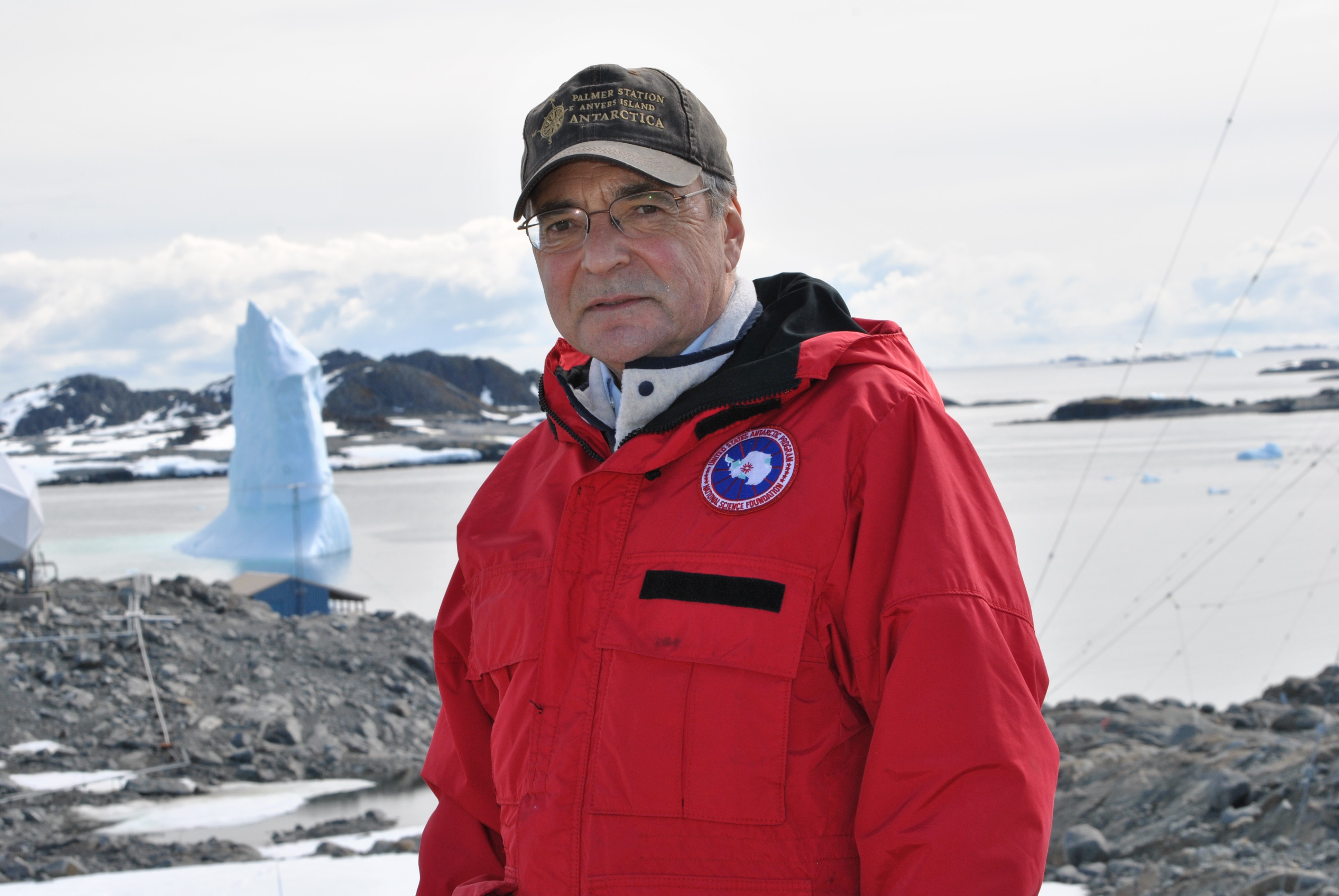

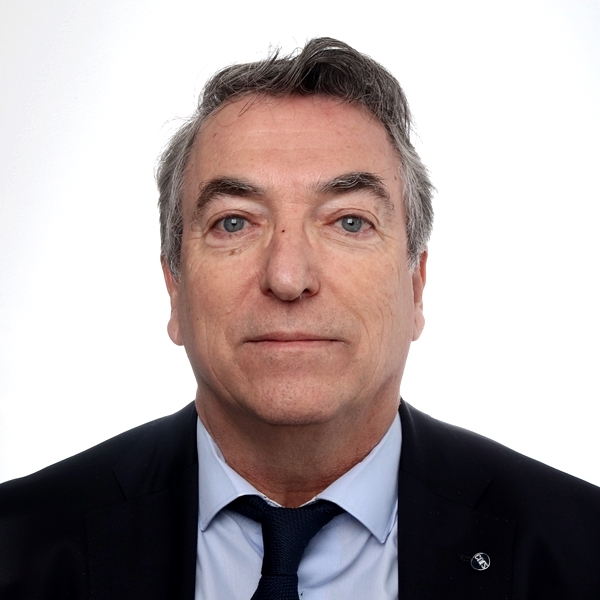
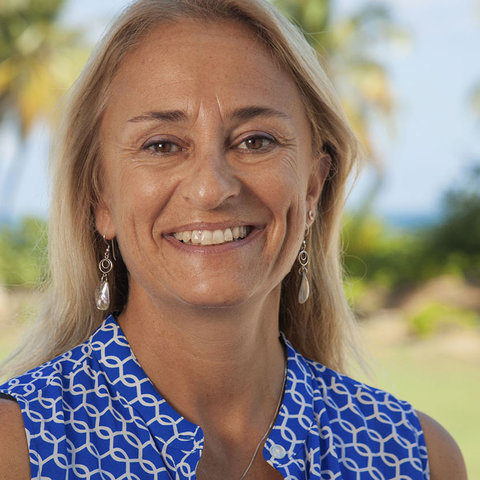
| SZN Scientific Council | |
|
|
Keywords: molluscs, cephalopods, phylogenomics, systematics, deep sea This email address is being protected from spambots. You need JavaScript enabled to view it. |
|
Prof. Paola Bonfante
|
https://www.dbios.unito.it/do/docenti.pl/Alias?paola.bonfante#tab-profilo Keywords:plant-microbe interactions; soil ecology, soil biodiversity; symbiosis, mycorrhizal associations, fungal endobacteria This email address is being protected from spambots. You need JavaScript enabled to view it. |
|
|
Keywords: microbiology, evolution, ecology, environment, phylogenetic analysis, marine ecology, microbial molecular biology, genomics This email address is being protected from spambots. You need JavaScript enabled to view it. |
|
|
Department of Marine and Coastal Sciences, School of Environmental and Biological Sciences, Rutgers, The State University of New Jersey, USA Keywords: origins of life, biogeochemical cycles, photosynthesis, biological oceanography, molecular biology, biochemistry and biophysics, physiological adaptation, plant physiology, evolution, mathematical modeling, symbiosis This email address is being protected from spambots. You need JavaScript enabled to view it. |
|
|
Keywords: marine biology and ecology, marine conservation, marine socio-ecology, marine protected areas This email address is being protected from spambots. You need JavaScript enabled to view it.
*temporary substitute for the member of the Scientific Council belonging to the staff Researchers/Technologists in service at the Institution |
|
|
Institute for Biological Sciences (INSB) at CNRS in Paris Keywords: evolution, epithelia, cell polarity, cell-cell junctions, morphogenesis This email address is being protected from spambots. You need JavaScript enabled to view it. |
|
|
Keywords: marine ecology, community ecology, marine conservation, ocean solutions This email address is being protected from spambots. You need JavaScript enabled to view it. |


PIR01_00018 - IPANEMA Implementazione del laboratorio naturale ECCSEL di Panarea e dell’osservatorio marino
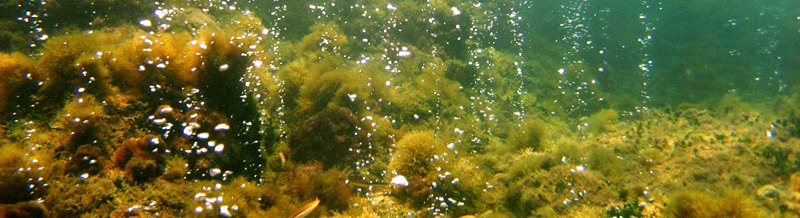
Il progetto IPANEMA, finanziato dal PON – Programma Operativo Nazionale Ricerca e Innovazione 2014-2020 con la concessione di un finanziamento per un importo complessivo di € 8.786.920,18, prevede l’implementazione del laboratorio ECCSEL NatLab-Italy di Panarea con l’acquisto di strumentazioni all’avanguardia, utili alla determinazione e all’analisi dei principali parametri fisici, chimici, geologici e geofisici, nonché per l'acquisizione di sistemi di campionamento e di analisi in situ, sia tradizionali che innovativi, in modalità continua e sincronizzata. Tali strumentazioni consentiranno ricerche multidisciplinari di eccellenza a Panarea, località parte di un grande strato-vulcano sottomarino quiescente, caratterizzato da faglie tettoniche attive che formano un esteso campo fumarolico emittente CO2, e che è pertanto già stata scelta da OGS per indagare gli effetti dell'incremento dell'anidride carbonica sulle funzioni biogeochimiche ed ecologiche dell'ecosistema marino.
OBIETTIVO DEL PROGETTO
IPANEMA punta al potenziamento di una parte circoscritta dell'infrastruttura pan-europea ERIC – ECCSEL (European Carbon Dioxide Capture and Storage Laboratory Infrastructure) dedicata all'avanzamento delle competenze e delle conoscenze nel campo delle geo-scienze applicate e, in particolare, del laboratorio naturale ECCSEL NatLab-Italy di Panarea, parte integrante del nodo italiano di cui il soggetto beneficiario OGS costituisce il capofila a partire dall'anno 2018. Attraverso questo progetto, la sede a terra verrà fornita di nuova strumentazione scientifica da laboratorio e da campo altamente innovativa ai fini del campionamento, l'osservazione in situ e l'acquisizione di dati, così da sviluppare studi multidisciplinari nel campo delle scienze fisiche, chimiche, biologiche e geologiche. Mentre la sensoristica a mare verrà implementata mediante la messa in opera di un nuovo osservatorio sottomarino accogliente sensori, come lo AUV cioè un veicolo autonomo subacqueo ed il ROV guidato invece da remoto, capaci di raggiungere luoghi difficilmente accessibili alle comuni navi da ricerca e porre a disposizione nuove misure da applicare in ricerche inerenti i cambiamenti climatici, l'osservazione oceanica, la pesca e la mappatura degli habitat, l'acquacoltura offshore, l'archeologia marina, l'ecologia degli ambienti profondi, nonché per il monitoraggio ambientale e l’ecosistema.
Il progetto IPANEMA vede la partecipazione di OGS quale soggetto proponente (attraverso il laboratorio ECCSEL NatLab Italy di Panarea e il CTMO - Centro di Taratura e Metrologia Oceanografica quali proprie Unità Operative) e di INGV - Istituto Nazionale di Geofisica e Vulcanologia, INFN - Istituto Nazionale di Fisica Nucleare e SZN - Stazione Zoologica "Anton Dohrn" quali co-proponenti.
- Fondo: FESR
- Codice progetto: PIR01_00018
- Asse - Azione: Asse II - Azione Progetti Tematici II.1 - Infrastrutture di ricerca
Programma
• IT MIUR - PON
Durata
• 15/06/2019 - 14/06/2023
Tipologia progettuale
• Ricerca
Homepage
• http://www.ponricerca.gov.it/
Ruolo OGS
Coordinatore
Referente OGS
Partner di Progetto
 |
 |
 |
 |

V EDITION ISSNP: 2th – 7th July 2023
We are glad to announce the 5th edition of the “International Summer School of Natural Products” (ISSNP)
This edition will be hosted by the Grand Hotel Pianeta Maratea (Maratea, Italy).
The school is designed for PhD students and young researchers and aimed to build up a lively scientific community tackling global challenges in the field of natural products.
Strategical objectives will be focused on interdisciplinary and intersectoral learning, networking and cross collaborations.
A combination of lectures, seminars and interactive sessions will provide an immersive and challenging experience and team-based problem-solving activities will help the participants to be prepared for future research studies in these fields.
Applicants will learn from top scientists and professionals.
In order to become a leader yourself, it is very important to learn from leaders. ISSNP attracts experts who are typically busy and rarely available during the academic year.
Applicants will be able to network with like-minded colleagues.
ISSNP is built around specific themes and targets students and researchers who have an interest in and enthusiasm for this special subject, Natural Products. Networks will be constructed throughout the 5 days of school activities, during lectures, seminars and interactive sessions, working in-group.
Registration
To register visit to the Registration Page for the V Edition of the International Summer School on Natural Products (ISSNP) at https://www.issnpschool.org/register-now-2023/
The programme will be available at the link: https://www.issnpschool.org/programme/
Further information is available at the school website: https://www.issnpschool.org/
“BIAGIO ALBERTO DELLA BEFFA” PRIZE
Indena (www.indena.com), in partnership with the International Summer School of Natural Products ISSNP, is pleased to announce the institution of a biennial prize dedicated to the memory of its founder “Biagio Alberto Della Beffa.”
For the second edition of the “Biagio Alberto Della Beffa” Prize, three contest winners will be selected among the next International Summer School on Natural Products edition participants. The prize aims to award and support the professional development of young talented scientists in Natural Product Chemistry.
The prize is directed to Chemists, Pharmacists and Pharmaceutical Chemists possessing at least one of the following title(s)/requisite(s) related to Chemistry and Pharmaceutical Sciences:
• currently attending the 2nd or subsequent year of a PhD course;
• PhD degree achieved in 2021-2023;
• currently attending other postgraduate qualifications;
• postgraduate qualification title.
The three winners will be awarded a Grant of 5.000,00 €, and they will benefit of to a 6-month internship at Indena’s premises, that includes a Managerial course.
The prize will be awarded during the International Summer School on Natural Products, organizes among the 2nd and the 7th July 2023, signifying a closer collaboration between Industry and Academia.
To apply: https://www.issnpschool.org/apply-now/
Deadlines
Registration- Abstract Submission April 17th 2023
Application “BIAGIO ALBERTO DELLA BEFFA” Prize May 15th 2023
Kindly feel free to contact us (This email address is being protected from spambots. You need JavaScript enabled to view it.) for any further queries.
Scientific committee
Valeria COSTANTINO, President (Università degli Studi di Napoli Federico II)
Adele CUTIGNANO (Istituto di chimica biomolecolare, CNR)
Gerardo DELLA SALA (Stazione Zoologica Anton Dohrn)
Germana ESPOSITO (Università degli Studi di Napoli Federico II)
Gabriele FONTANA (Indena)
Roberta MARCHETTI (Università degli Studi di Napoli Federico II)
Luigi MILELLA (Università degli Studi della Basilicata)
Alberto MINASSI (Università degli Studi del Piemonte Orientale)
Maria Chiara MONTI (Università degli Studi di Salerno)
Mattia MORI (Università degli Studi di Siena)
Vera MUCCILLI (Università degli Studi di Catania)
Giorgia OLIVIERO (Università degli Studi di Napoli Federico II)
Giovanna ROMANO (Stazione Zoologica Anton Dohrn)
Valentina SEPE (Università degli Studi di Napoli Federico II)
Alessandra SILVANI (Università di Milano)
Advisory Board
William GERWICK (Department of Biology and Marine Biology and Center for Marine Science, UNCW)
Chiara GUERRERA (INSERM – Necker Proteomics, Paris)
Patrícia VALENTÃO (Faculty of Pharmacy, University of Porto).
 Programme: Programme for Environment and Climate Action (LIFE)
Title of the Project: Deep REef restoration And litter removal in the Mediterranean sea
Acronym: LIFE21-NAT-IT-LIFE DREAM
Duration: 01/09/2022 – 31/08/2027
Budget totalwe: € 5.308.472,89€
Web site
 The Marine Deep Reefs are fundamental benthic habitats recognized for acting as CO2 sinks and attracting highly diverse fauna. Multiple pressures are threatening the health of these habitats and resulting in the loss of their associated ecological functions, including climate change, fishing increments, and litter. The objective of LIFE21-NAT-IT-LIFE DREAM is to implement an innovative and sustainable approach to mitigate the effects of anthropogenic impacts on these habitats. LIFE21-NAT-IT-LIFE DREAM will provide supporting information for extending Natura 2000 to deep-sea habitats so as to promote actions of protection, recovery, and preservation. Additionally, the project will operate in pilot sites by deploying artificial structures aimed at facilitating the growth of deep reef-forming species and removing marine litter.
The CNR-ISMAR is the Coordinator of the Project and, in addition to managing the project, will collect and manage the data of LIFE21-NAT-IT-LIFE DREAM in Spatial Data Infrastructure consisting in software, hardware, spatial data, metadata, web services, data storage and standards. The created Geoportal will allow to share data, results, and improve the knowledge base, permitting further exploitation outside the project.
The main objectives of the Project are:
- Improving the knowledge base on Deep Reefs and the stressors threatening this habitat
- Extending the N2000 network by integrating the previous knowledge and acquiring new data
- Facilitate and promote the passive and active restoration of the Deep Reefs
- Prevent further litter accumulation
- Foster the circular economy concepts by recycling and reuse the removed marine litter
- Increase the public awareness about ocean health and human wellbeing
The expected results are:
- The development of an innovative and sustainable approach to mitigate anthropic pressure on Deep Reefs and promote their recovery
- The production of scientific data and knowledge on Deep Reefs to sustain the flow from scientists to decision-makers and enhance the natural resources management and governance
- The extension of the Natura 2000 network to deep benthic habitats by collecting and providing information to support the designation of 2 new deep-sea sites
- Apply restoration actions (either active or passive) that will extend the surface of the target habitats and provide new substrate for reefs forming species
- Develop a prototype for the removal of marine litter and enhance the cooperation with fisheries to follow a circular economy perspective and further recycle and reuse the litter removed
Contact in ISMAR: This email address is being protected from spambots. You need JavaScript enabled to view it.
Consortium
1. Consiglio Nazionale delle Ricerche - Istituto di Scienze Marine (CNR/ISMAR) (IT)
2. Università degli Studi di Bari Aldo Moro (IT)
3. Hellenic Centre for Marine Research (EL)
4. Net European Consulting srls (IT)
5. Enaleia Astiki Mi Kerdoskopiki Etaireia (EL)
6. Università Politecnica delle Marche (IT)
7. Agencia Estatal Consejo Superior De Investigaciones Cientificas (ES)
8. Università degli Studi di Napoli Federico II (IT)
9. Regione Puglia (IT)
10. Region of Thessaly (EL)
11. Stazione Zoologica Anton Dohrn (IT)
12. Federpesca – Federazione Nazionale delle Imprese di Pesca (IT)


Copyright © 2015 by Stazione Zoologica Anton Dohrn Napoli - Italy
Villa Comunale, 80121 Napoli - Tel.+39 081 5833111 - C.F./P.IVA : IT 04894530635 - PEC: ufficio.protocollo(at)cert.szn.it