


 Tenders and Job OpportunitiesJob callsScholarships and research fellowshipsOpen CallsENGLISHPages
Pages
Publications 2023
Ambrosino, L.*, Miralto, M.*, Barra, L.*, Sardo, A.C, Chiusano, M. L., Cozza, R., Ferrari, M., Greco, S. (2023). Stress Response in Toxic Diatoms: The Effects of Abiotic Factors on Growth and RNA Content in Pseudo-nitzschia calliantha and in Pseudo-nitzschia multistriata. Journal of Marine Science and Engineering, 11(9), 1743.
Ambrosio M, Nocera FPc, Garofalo F, De Luca P, Grinberg A, De Martino L. (2023) Staphylococcus microti strains isolated from an italian mediterranean Buffalo herd. Animals 13, 182.
Angeles, I.B., Romero-Martínez, M.L., Cavaliere, M., Varrella, S., Francescangeli, F., Piredda, R., Mazzocchi, M.G., Montresor, M., Schirone, A., Delbono, I., Margiotta, F., Corinaldesi, C., Chiavarini, S., Montereali, M.R., Rimauro, J., Parrella, L., Musco, L., Dell’Anno, A., Tangherlini, M., Pawlowski, J., Frontalini, F., 2023. Encapsulated in sediments: eDNA deciphers the ecosystem history of one of the most polluted European marine sites. Environment International 172, 107738.
M. Angiolillo, M. Bo, M. Toma, M. Giusti, E. Salvati, A. Giova, A. Lagudi, L. Rossi, M. Collina, F. Bruno, S. Canese, L. Tunesi. (2023)A baseline for the monitoring of Mediterranean upper bathyal biogenic reefs within the marine strategy framework directive objectives. Deep–Sea Research I 194: 103963
Arcadi, E.*, Buschi, E.*, Rastelli, E.C, TangherliniC, M., De Luca, P., Esposito, V., Calogero, R., Andaloro, F., Romeo, T. & Danovaro, R. (2023). Novel insights on the Bacterial and Archaeal diversity of the Panarea shallow-Water Hydrothermal vent field. Microorganisms, 11(10), 2464.
P. Battaglia, S. Canese. E.Salvati, S. Greco. (2023)In situ observations of three deep‑sea cephalopods in the central Mediterranean Sea. Marine Biology 170:151
Bazzani E., Lauritano C., cSaggiomo M., 2023. Southern Ocean Iron Limitation of Primary Production between Past Knowledge and Future Projections, Journal of Marine Science and Engineering 11 (2), 272
Buschi, E., Dell’Anno, A., Tangherlini, M., Stefanni, S., Martire, M. L., Núñez-Pons, L., Avita, C. & Corinaldesi, C.C (2023). Rhodobacteraceae dominate the core microbiome of the sea star Odontaster validus (Koehler, 1906) in two opposite geographical sectors of the Antarctic Ocean. Frontiers in Microbiology, 14.
Camatti, E., Acri, F., De Lazzari, A., Nurra, N., Pansera, M., Schroeder, A., Bergamasco, A., 2023. Natural or anthropogenic variability? A long-term pattern of the zooplankton communities in an ever-changing transitional ecosystem. Frontiers in Marine Science 10, 1176829.
Carotenuto Y C, Di Capua I, Di Pinto M, Palumbo F, Percopo I, Uttieri M, Miralto A, Mazzocchi MG and Ianora A (2023). Twenty-year trends of Centropages typicus (Copepoda, Calanoida) reproduction, feeding, population abundance and structure in the Gulf of Naples (Western Mediterranean Sea). Marine Ecology, 44, e12739.
Carotenuto Y C, Di Capua I, Di Pinto M, Palumbo F, Percopo I, Uttieri M, Miralto A, Mazzocchi MG and Ianora A (2023). Twenty-year trends of Centropages typicus (Copepoda, Calanoida) reproduction, feeding, population abundance and structure in the Gulf of Naples (Western Mediterranean Sea). Marine Ecology
Cordone A., Selci M., Barosa B., Bastianoni A., Bastoni D., Bolinesi F., Capuozzo R., Cascone M., Correggia M., Corso D., Di Iorio L., Misic C., Montemagno F., Ricciardelli A., Saggiomo M., Tonietti L., Mangoni O., Giovannelli D., 2023. Surface Bacterioplankton Community Structure Crossing the Antarctic Circumpolar Current Fronts, Microorganisms 11 (3), 702
De Felice Bc, Montanino C, Pinelli C, Nacca M, De Luca P. (2023) A novel telomerase activity and microRNA-21 upregulation identified in a family with palmoplantar Keratoderma. Gene jul 5;880:147600.
Di Capua I C, Piredda R, D'Angiolo R, Minucci C, Montalbano A, Boero F, Carotenuto Y, Uttieri M (2023). Is integrated taxonomy useful to study diversity and ecology? An example from crustacean zooplankton at the Long‐Term ecological research site MareChiara (LTER‐MC). Marine Ecology
Di Febbraro, M., Bosso, L.C, Fasola, M., Santicchia, F., Aloise, G., Lioy, S., Tricarico, E., Ruggieri, L., Bovero, S., Mori, E., Bertolino, S. 2023. Different facets of the same niche: integrating citizen and science data to predict invasion risk under multiple global change drivers. Global Change Biology, 29, 5509-5523.
Di Tuccio V, De Luca P, Romano G.c (2023) Programmed cell death in sea urchin: a review. J. Mar: Sci. Eng. 11, 956.
F. Enrichetti, M. Toma, G. Bavestrello, F. Betti, M. Giusti, S. Canese, D. Moccia, G. Quarta, L. Calcagnile, F. Andaloro, S. Greco, M. Bo. (2023)Facies created by the yellow coral Dendrophyllia cornigera (Lamarck, 1816): Origin, substrate preferences and habitat complexity.. Deep Sea Research Part I: Oceanographic Research Paper 195: 104000
Fasciglione P., Crocetta F. C (2023). Pachygrapsus maurus in the Adriatic Sea: research gap or new arrival? in: New records of rarely reported species in the Mediterranean Sea. Mediterranean Marine Science, 24(2):392-418.
Ferrari M, Barra L, Ruffolo L, Muto A, Galasso C, Percopo I, Greco S, Cozza R. (2023) Identification of Pseudo-nitzschia cryptic species collected in the Gulf of Naples using Whole-Cell Fluorescent In Situ Hybridization: from cultured sample to field test. Diversity. 2023; 15(4):521.
Fraissinet, M., Ancillotto, L., Migliozzi, A., Capasso, S., Bosso, L., Chamberlain, D.E., Russo, D.C, (2023). Responses of avian assemblages to spatiotemporal landscape dynamics in urban ecosystems. Landscape Ecology, 38, 293-305.
Granata A., Bergamasco A.C, Zagami G., Guglielmo R., Bonanzinga V., Minutoli R., Geraci A., Pagano L., Swadling K., Battaglia P., Guglielmo L. (2023). Daily vertical distribution and diet of Cyclothone braueri (Gonostomatidae) in the Polcevera submarine canyon (Ligurian Sea, north-western Mediterranean). Deep-Sea Research Part I, 199: 104113.
Ibarbalz F.M. C, Henry N., Mahé F., Ardyna M., Zingone A., Scalco E., Lovejoy C., Lombard F., Jaillon O., Iudicone D., Malviya S., Tara Oceans Coordinators, Sullivan M.B., Chaffron S., Karsenti E., Babin M., Boss E., Wincker P., Zinger L., de Vargas C., Bowler C.C, Karp-Boss L.C (2023). Pan-Arctic plankton community structure and its global connectivity. Elementa: Science of the Anthropocene, 11: 1.
Ines Barrenechea AngelesC, Maria Lorena Romero-Martínez, Marco Cavaliere, Stefano Varrella, Fabio Francescangeli, Roberta Piredda, Maria Grazia Mazzocchi, Marina Montresor, Antonio Schirone, Ivana Delbono, Francesca Margiotta, Cinzia Corinaldesi, Salvatore Chiavarini, Maria Rita Montereali, Juri Rimauro, Luisa Parrella, Luigi Musco, Antonio Dell'Anno, Michael Tangherlini, Jan Pawlowski, Fabrizio Frontalini (2023). Encapsulated in sediments: eDNA deciphers the ecosystem history of one of the most polluted European marine sites. Environment International, 172, 107738.
Limatola Nc, Chun JT, Schneider SC, Schmitt JL, Lehn JM, Santella Lc. (2023). The Effect of Acidic and Alkaline Seawater on the F-Actin-Dependent Ca2+ Signals Following Insemination of Immature Starfish Oocytes and Mature Eggs. Cells 12 (5), 740.
Mangini M, Limatola N, Ferrara A, Coppola G, Chun JT, De Luca ACc, Santella Lc. (in press). Application of Raman spectroscopy to the evaluation of F-actin changes in sea urchin eggs at fertilization. Zygote
Mazzocchi MG C, Di Capua I, Kokoszka F, Margiotta F, Ribera d’Alcalà M, Sarno D, Zingone A, Licandro P (2023). Coastal mesozooplankton respond to decadal environmental changes via community restructuring. Marine Ecology, 44, e012746.
Mazzocchi MG, Di Capua I, Kokoszka F, Margiotta F, Ribera d’Alcalà M, Sarno D, Zingone A, Licandro P (2023). Coastal mesozooplankton respond to decadal environmental changes via community restructuring. Marine Ecology, https://doi.org/10.1111/maec.12746
Montuori E., cSaggiomo M., cLauritano C., 2023, Microalgae from cold environments and their possible biotechnological applications, Marine Drugs 21 (5), 292
Mordret S, Piredda R, Zampicinini G, Kooistra WHCF, Zingone A, Montresor M C, Sarno, D C (2023). Metabarcoding reveals marked seasonality and a distinctive winter assemblage of dinoflagellates at a coastal LTER site in the Gulf of Naples. Marine Ecology, 44, e12758.
Pelusi, A.*, Ambrosino, L.*, Miralto, M., Chiusano, M. L., Rogato, A., Ferrante, M. I., & Montresor, M.C (2023). Gene expression during the formation of resting spores induced by nitrogen starvation in the marine diatom Chaetoceros socialis. BMC genomics, 24(1), 1-16.
Reñé AC, Timoneda N, Sarno D, Piredda R, Zampicinini G, Zingone A, Montresor M, Garcés E (2023). Vertical and temporal distribution of chytrids infecting diatoms in the Gulf of Naples (Italy, Mediterranean Sea). Marine Ecology, 44, e12726
Romillac, N., Abagnale, M., Kokoszka, F., Passarelli, A., Saggiomo, V., Ribera d’Alcalà, M., cMargiotta, F., 2023. Interplay among anthropogenic impact, climate change, and internal dynamics in driving nutrient and phytoplankton biomass in the Gulf of Naples. Marine Ecology 44, e12754.
Saggiomo, M., *Bolinesi, F., Brunet, C., Passarelli, A., Margiotta, F., cSaggiomo, V., Mangoni, O., 2023. A CHEMTAX‐derived phytoplankton community structure during 12‐year observations in the Gulf of Naples (LTER‐MC). Marine Ecology 44, e12745.
Salvati, E., Provenzani, C., D’ambrosi, A., Finoia, M. G., Romano, E., & Canese, S. (2023)In situ observation of circadian rhythm of polyps’ opening and closing of the coral Dendrophyllia ramea (Linnaeus, 1758).. Mediterranean Marine Science, 24(3), 574–585.
Santillán-Sarmiento, A., Pazzaglia, J., Ruocco, M., Dattolo, E., Ambrosino, L., Winters, G., Marín-Guirao, L., Procaccini, G.C (2023). Gene co-expression network analysis for the selection of candidate early warning indicators of heat and nutrient stress in Posidonia oceanica. Science of The Total Environment, 877, 162517.
Schroeder, A., cCamatti, E., Pansera, M., Pallavicini, A., 2023. Feeding pressure on meroplankton by the invasive ctenophore Mnemiopsis leidyi. Biol Invasions 25, 2007–2021.
Traboni C C, Sarno D, Ribera d’Alcalà M, Mazzocchi MG (2023). Microplastics in the menu of Mediterranean zooplankton: Insights from the feeding response of the calanoid copepod Centropages typicus. Marine Ecology, 00, e12760.
Uttieri M Cc, Anadoli O, Banchi E, Battuello M, Besiktepe S, Carotenuto Y, Cotrim Marques S, de Olazabal A, Di Capua I, Engell-Sørensen K, Goruppi A, Guy-Haim T, Hure M, Kourkoutmani P, Luˇci´c D, Mazzocchi M G, Michaloudi E,Morov A R, Terbıyık Kurt T , Tirelli V, Vannini J, Velasquez X, Vidjak O, Wootton M (2023). The Distribution of Pseudodiaptomus marinus in European and Neighbouring Waters—A Rolling Review. Journal of Marine Science and Engineering
Uttieri M, Carotenuto Y, Di Capua I, V Roncalli (2023). Ecology of Marine Zooplankton. Journal of Marine Science and Engineering
Veselá-Strejcová J., Scalco E., Zingone A., Colin S., Caputi L., Sarno D., Nebesářová J., Bowler C., Lukes J.C (2023). Diverse eukaryotic phytoplankton from around the Marquesas Islands documented by combined microscopy and molecular techniques. Protist (2023), 174, 125965.
Xiao Ma*, Steffen Vanneste*, Jiyang Chang*, Luca Ambrosino, Kerrie Barry, Till Bayer, Alexander A Bobrov, LoriBeth Boston, Justin E Campbell, Hengchi Chen, Maria Luisa Chiusano, Emanuela Dattolo, Jane Grimwood, Guifen He, Jerry Jenkins, Marina Khachaturyan, Lázaro Marín-Guirao, Attila Mesterházy, Danish-Daniel Muhd, Jessica Pazzaglia, Chris Plott, Shanmugam Rajasekar, Stephane Rombauts, Miriam Ruocco, Alison Scott, Min Pau Tan, Jozefien Van de Velde, Bartel Vanholme, Jenell Webber, Li Lian Wong, Mi Yan, Yeong Yik Sung, Polina Novikova, Jeremy Schmutz, Thorsten ReuschC, Gabriele ProcacciniC, Jeanine OlsenC, Yves Van de PeerC (2023). Seagrass genomes reveal a hexaploid ancestry facilitating adaptation to the marine environment. bioRxiv, 2023-03. (Accepted in NATURE PLANTS)
Zingone A C, Tortora C, D′Alelio D, Margiotta F, Sarno D C (2023). Assembly rules vary seasonally in stable phytoplankton associations of the Gulf of Naples (Mediterranean Sea). Marine Ecology, 44, e12730.
Publications
Carbonne Chloe, Comeau Steeve, Plichon Keyla, Schaub Sébastien, Gattuso Jean-Pierre and Teixidó Núria (2024) Response of two temperate scleractinian corals to projected ocean warming and marine heatwaves. R. Soc. Open Sci.11231683 http://doi.org/10.1098/rsos.231683
Ma, Xiao, Vanneste, Steffen, Chang, Jiyang, Ambrosino, Luca, Barry, Kerrie, Bayer, Till, Bobrov, Alexander A., Boston, LoriBeth, Campbell, Justin E., Chen, Hengchi, Chiusano, Maria Luisa, Dattolo, Emanuela, Grimwood, Jane, He, Guifen, Jenkins, Jerry, Khachaturyan, Marina, Marín-Guirao, Lázaro, Mesterházy, Attila, Muhd, Danish-Daniel, Pazzaglia, Jessica, Plott, Chris, Rajasekar, Shanmugam, Rombauts, Stephane, Ruocco, Miriam, Scott, Alison, Tan, Min Pau, Van de Velde, Jozefien, Vanholme, Bartel, Webber, Jenell, Wong, Li Lian, Yan, Mi, Sung, Yeong Yik, Novikova, Polina, Schmutz, Jeremy, Reusch, Thorsten B. H., Procaccini, Gabriele, Olsen, Jeanine L. and Van de Peer, Yves (2024). Seagrass genomes reveal ancient polyploidy and adaptations to the marine environment. Nature Plants 10, 240-255. https://doi.org/10.1038/s41477-023-01608-5
Teixidó, N., Carlot, J., Alliouane, S., Ballesteros, E., De Vittor, C., Gambi, M.C., Gattuso, J.-P., Kroeker, K., Micheli, F., Mirasole, A., et al. (2024). Functional changes across marine habitats due to ocean acidification. Global Change Biology 30, e17105. https://doi.org/10.1111/gcb.17105
Publications 2023
Federico S, Glaviano F, Esposito R, Tentoni E, Santoro P, Caramiello D, Costantini M, Zupo V. (2023) The “Bald Disease” of the Sea Urchin Paracentrotus lividus: Pathogenicity, Molecular Identification of the Causative Agent and Therapeutic Approach. Microorganisms. 11(3):763. https://doi.org/10.3390/microorganisms11030763
Gharbi M, Glaviano F, Federico S, Pinto B, Cosmo AD, Costantini M, Zupo V. (2023) Scale-Up of an Aquaculture Plant for Reproduction and Conservation of the Sea Urchin Paracentrotus lividus: Development of Post-Larval Feeds. Journal of Marine Science and Engineering, 11(1):154. https://doi.org/10.3390/jmse11010154
Glaviano, F., Federico, S., Pinto, B., Gharbi, M., Russo, T., Cosmo, A.D., Polese, G., Costantini, M., and Zupo, V. (2023). Morphologic and genic effects of waste pollution on the reproductive physiology of Paracentrotus lividus lmk: a mesocosm experiment. Frontiers in Physiology 14. https://doi.org/10.3389/fphys.2023.1161852
Nieri P, Carpi S, Esposito R, Costantini M, Zupo V. (2023) Bioactive Molecules from Marine Diatoms and Their Value for the Nutraceutical Industry. Nutrients, 15(2):464. https://doi.org/10.3390/nu15020464
Somma E, Terlizzi A, Costantini M, Madeira M, Zupo V. (2023) Global Changes Alter the Successions of Early Colonizers of Benthic Surfaces. Journal of Marine Science and Engineering, 11: 1232. https://doi:10.3390/jmse11061232
Viel, T., Cocca, M., Manfra, L., Caramiello, D., Libralato, G., Zupo, V., and Costantini, M. (2023). Effects of biodegradable-based microplastics in Paracentrotus lividus Lmk embryos: Morphological and gene expression analysis. Environmental Pollution 334, 122129. https://doi.org/10.1016/j.envpol.2023.122129
Viel T, Manfra L, Zupo V, Libralato G, Cocca M, Costantini M. (2023) Biodegradation of Plastics Induced by Marine Organisms: Future Perspectives for Bioremediation Approaches. Polymers, 15: 2673. https://doi:10.3390/polym15122673
Publications 2023
• Arrigoni R, Stolarski J, Terraneo TI, Hoeksema BW, Berumen ML, Payri C, Montano S (2023) Phylogenetics and taxonomy of the scleractinian coral family Euphylliidae. Contributions to Zoology 92: 130-171. https://doi.org/10.1163/18759866-bja10041
• Baden T, Briseño J, Coffing G, Cohen-Bodénès S, Courtney A, Dickerson D, Dölen G, Fiorito G, Gestal C, Gustafson T, et al. (2023) Cephalopod-omics: Emerging Fields and Technologies in Cephalopod Biology. Integrative and Comparative Biology 63: 1226-1239. https://doi.org/10.1093/icb/icad087
• Bagnoli S, Chiavacci E, Cellerino A, Terzibasi Tozzini E (2023) Localization and Characterization of Major Neurogenic Niches in the Brain of the Lesser-Spotted Dogfish Scyliorhinus canicula. International Journal of Molecular Sciences 24. https://doi.org/10.3390/ijms24043650
• Chatzievangelou D, Robinson NJ, Floegel S, Bongiorni L, Stefanni S, Aguzzi J (2023) Editorial: Data acquisition and processing strategies for the development of ecological indicators in the exploration and monitoring of deep-sea ecosystems under natural and anthropogenic changes. Frontiers in Marine Science 10: 1228891. https://doi.org/10.3389/fmars.2023.1228891
• Chiavacci E, Bagnoli S, Cellerino A, Terzibasi Tozzini E (2023) Distribution of Brain-Derived Neurotrophic Factor in the Brain of the Small-Spotted Catshark Scyliorhinus canicula, and Evolution of Neurotrophins in Basal Vertebrates. International Journal of Molecular Sciences 24. https://doi.org/10.3390/ijms24119495
• Cocurullo M, Paganos P, Annunziata R, Voronov D, Arnone MI (2023) Single-Cell Transcriptomic Analysis Reveals the Molecular Profile of Go-Opsin Photoreceptor Cells in Sea Urchin Larvae. Cells 12: 2134. https://doi.org/10.3390/cells12172134
• Cocurullo M, Paganos P, Wood NJ, Arnone MI, Oliveri P (2023) Molecular and Cellular Characterization of the TH Pathway in the Sea Urchin Strongylocentrotus purpuratus. Cells 12: 272. https://doi.org/10.3390/cells12020272
• Coker DJ, DiBattista JD, Stat M, Arrigoni R, Reimer J, Terraneo T, Villalobos R, Nowicki JP, Bunce M, Berumen ML (2023) DNA metabarcoding confirms primary targets and breadth of diet for coral reef butterflyfishes. Coral Reefs 42: 1-15. https://doi.org/10.1007/s00338-022-02302-2
• De Vivo G, Crocetta F, Ferretti M, Feuda R, D'Aniello S (2023) Duplication and Losses of Opsin Genes in Lophotrochozoan Evolution. Molecular Biology and Evolution 40: msad066. https://doi.org/10.1093/molbev/msad066
• Destanovic D, Schultz DT, Styfhals R, Cruz F, Gómez-Garrido J, Gut M, Gut I, Fiorito G, Simakov O, Alioto TS, et al. (2023) A chromosome-level reference genome for the common octopus, Octopus vulgaris (Cuvier, 1797). G3-Genes Genomes Genetics 13. https://doi.org/10.1093/g3journal/jkad220
• Di Gregorio A, Locascio A, Ristoratore F, Spagnuolo A (2023) Women Researchers in Tunicate Biology at the Stazione Zoologica Anton Dohrn in Napoli. Genesis, e23573. doi: https://doi.org/10.1002/dvg.23573.
• Dissegna A, Borrelli L, Ponte G, Chiandetti C, Fiorito G (2023) Octopus vulgaris exhibits interindividual differences in behavioural and problem-solving performance. Biology, 12(12): 1487. https://www.mdpi.com/2079-7737/12/12/1487#
• Eliso MC, Bergami E, Bonciani L, Riccio R, Belli G, Belli M, Corsi I, Spagnuolo A (2023) Application of transcriptome profiling to inquire into the mechanism of nanoplastics toxicity during Ciona robusta embryogenesis. Environmental Pollution 318: 120892. https://doi.org/10.1016/j.envpol.2022.120892
• Esposito MC, Russo GL, Riva L, Punta C, Corsi I, Tosti E, Gallo A (2023) Nanostructured cellulose sponge engineered for marine environmental remediation: Eco-safety assessment of its leachate on sea urchin reproduction (Part A). Environmental Pollution 334: 122169. https://doi.org/10.1016/j.envpol.2023.122169
• Farhat S, Modica MV, Puillandre N (2023) Whole Genome Duplication and Gene Evolution in the Hyperdiverse Venomous Gastropods. Molecular Biology and Evolution 40: msad171. https://doi.org/10.1093/molbev/msad171
• Fassio G, Stefani M, Russini V, Buge B, Bouchet P, Treneman N, Malaquias MAE, Schiaparelli S, Modica MV, Oliverio M (2023) Neither slugs nor snails: a molecular reappraisal of the gastropod family Velutinidae. Zoological Journal of the Linnean Society 197: 924-964. https://doi.org/10.1093/zoolinnean/zlac091
• Gafranek JT, D'Aniello E, Ravisankar P, Thakkar K, Vagnozzi RJ, Lim HW, Salomonis N, Waxman JS (2023) Sinus venosus adaptation models prolonged cardiovascular disease and reveals insights into evolutionary transitions of the vertebrate heart. Nature Communications 14: 5509. https://doi.org/10.1038/s41467-023-41184-y
• Gallo A, Murano C, Notariale R, Caramiello D, Tosti E, Cecchini Gualandi S, Boni R (2023) Immune and Reproductive Biomarkers in Female Sea Urchins Paracentrotus lividus under Heat Stress. Biomolecules 13. https://doi.org/10.3390/biom13081216
• Imperadore P, Cagnin S, Allegretti V, Millino C, Raffini F, Fiorito G, Ponte G (2023) Transcriptome-wide selection and validation of a solid set of reference genes for gene expression studies in the cephalopod mollusk Octopus vulgaris. Frontiers in Molecular Neuroscience 16: 1091305. https://doi.org/10.3389/fnmol.2023.1091305
• Laface F, Pedà C, Giommi C, Scozzafava S, Rizzo C, Malara D, Greco S, Romeo T (2023) A glimpse into the future: A suitable methodological approach for the detection and identification of micro-bioplastics in biota. Science of the Total Environment 899: 165613. https://doi.org/10.1016/j.scitotenv.2023.165613
• Liberti A, Pollastro C, Pinto G, Illiano A, Marino R, Amoresano A, Spagnuolo A, Sordino P (2023) Transcriptional and proteomic analysis of the innate immune response to microbial stimuli in a model invertebrate chordate. Frontiers in Immunology 14: 1217077. https://doi.org/10.3389/fimmu.2023.1217077
• Limatola N, Chun JT, Schneider SC, Schmitt JL, Lehn JM, Santella L (2023) The Effect of Acidic and Alkaline Seawater on the F-Actin-Dependent Ca2+ Signals Following Insemination of Immature Starfish Oocytes and Mature Eggs. Cells 12. https://doi.org/10.3390/cells12050740
• Limatola N, Chun JT, Chiba K, Santella L (2023) Dithiothreitol Affects the Fertilization Response in Immature and Maturing Starfish Oocytes. Biomolecules 13. https://doi.org/10.3390/biom13111659
• Locascio A (2023) Ascidians for comparative evolutionary studies. Genesis, e23563. doi:10.1002/dvg.23563
• Locascio A, Annona G, Caccavale F, D’Aniello S, Agnisola C, Palumbo A. (2023) Nitric Oxide Function and Nitric Oxide Synthase Evolution in Aquatic Chordates. International Journal of Molecular Science, 24, 11182. doi: 10.3390/ijms241311182.
• Marino R, Melillo D, Italiani P, Boraschi D (2023) Environmental stress and nanoplastics' effects on Ciona robusta: regulation of immune/stress-related genes and induction of innate memory in pharynx and gut. Frontiers in Immunology 14: 1176982. https://doi.org/10.3389/fimmu.2023.1176982
• Marlétaz F, Couloux A, Poulain J, Labadie K, Da Silva C, Mangenot S, Noel B, Poustka AJ, Dru P, Pegueroles C, et al. (2023) Analysis of the P. lividus sea urchin genome highlights contrasting trends of genomic and regulatory evolution in deuterostomes. Cell Genomics 3: 100295. https://doi.org/10.1016/j.xgen.2023.100295
• Murano C, Gallo A, Nocerino A, Macina A, Cecchini Gualandi S, Boni R (2023) Short-Term Thermal Stress Affects Immune Cell Features in the Sea Urchin Paracentrotus lividus. Animals 13. https://doi.org/10.3390/ani13121954
• Murano C, Palumbo A, Leone S (2023) Toxicological Impacts of Microplastics: Effects on Levels of Cellular Thiols in Mytilus galloprovincialis. Environmental Toxicology and Chemistry 42: 1607-1613. https://doi.org/10.1002/etc.5643
• Paganos P, Caccavale F, Cocurullo M, D'Aniello E, Arnone MI, Benvenuto G (2023) Whole animal freeze-fracture scanning electron microscopy: an easy-to-use method to investigate cell type morphology of marine embryos and larvae. Frontiers in Ecology and Evolution 11: 1146749. https://doi.org/10.3389/fevo.2023.1146749
• Pinzoni L, Locatello L, Gasparini C, Rasotto MB (2023) Female reproductive fluid and male seminal fluid: a non-gametic conflict for post-mating control. Biology Letters 19: 20230306. https://doi.org/10.1098/rsbl.2023.0306
• Pinzoni L, Locatello L, Gasparini C, Rasotto MB (2023) Female reproductive fluid concentrations affect sperm performance of alternative male phenotypes in an external fertilizer. J Evol Biol 36: 1198-1207. https://doi.org/10.1111/jeb.14199
• Ponte G, Roumbedakis K, Galligioni V, Dickel L, Bellanger C, Pereira J, Vidal EA, Grigoriou P, Alleva E, Santucci D, et al. (2023) General and species-specific recommendations for minimal requirements for the use of cephalopods in scientific research. Laboratory Animals 57: 26-39. https://doi.org/10.1177/00236772221111261
• Quek ZBR, Jain SS, Richards ZT, Arrigoni R, Benzoni F, Hoeksema BW, Carvajal JI, Wilson NG, Baird AH, Kitahara MV, et al. (2023) A hybrid-capture approach to reconstruct the phylogeny of Scleractinia (Cnidaria: Hexacorallia). Molecular Phylogenetics and Evolution 186: 107867. https://doi.org/10.1016/j.ympev.2023.107867
• Rotolo F, Roncalli V, Cieslak M, Gallo A, Buttino I, Carotenuto Y (2023) Transcriptomic analysis reveals responses to a polluted sediment in the Mediterranean copepod Acartia clausi. Environmental Pollution 335: 122284. https://doi.org/10.1016/j.envpol.2023.122284
• Russo MT, Santin A, Zuccarotto A, Leone S, Palumbo A, Ferrante MI, Castellano I (2023) The first genetic engineered system for ovothiol biosynthesis in diatoms reveals a mitochondrial localization for the sulfoxide synthase OvoA. Open Biology 13: 220309. https://doi.org/10.1098/rsob.220309
• Sykes AV, Galligioni V, Estefanell J, Hetherington S, Brocca M, Correia J, Ferreira A, Pieroni EM, Fiorito G (2023) FELASA Working Group report: Capture and transport of live cephalopods -- recommendations for scientific purposes. Laboratory Animals 58: 170-182. https://doi.org/10.1177/00236772231176347
Publications
Costantini M, Esposito R, Ruocco N, Caramiello D, Cordella A, Ventola GM, Zupo V. (2024) De Novo Assembly of the Genome of the Sea Urchin Paracentrotus lividus (Lamarck 1816). International Journal of Molecular Sciences, 25(3):1685. https://doi.org/10.3390/ijms25031685
Perillo, M., Sepe, R.M., Paganos, P., Toscano, A., and Annunziata, R. (2024). Sea cucumbers: an emerging system in evo-devo. EvoDevo 15, 3. https://doi.org/10.1186/s13227-023-00220-0
Publications 2023
Barrenechea Angeles, I., M. L. Romero-Martínez, M. Cavaliere, S. Varrella, F. Francescangeli, R. Piredda, M. G. Mazzocchi, M. Montresor, A. Schirone, I. Delbono, F. Margiotta, C. Corinaldesi, S. Chiavarini, M. R. Montereali, J. Rimauro, L. Parrella, L. Musco, A. Dell'Anno, M. Tangherlini, J. Pawlowski and F. Frontalini (2023). "Encapsulated in sediments: eDNA deciphers the ecosystem history of one of the most polluted European marine sites." Environment International 172: 107738. https://doi.org/10.1016/j.envint.2023.107738
Bommarito, C., Díaz-Morales, D.M., Guy-Haim, T., Noè, S., Delasalle, J., Buchholz, B., Khosravi, M., Rilov, G., Sures, B., and Wahl, M. (2023). Warming and parasitism impair the performance of Baltic native and invasive macroalgae and their associated fauna. Limnology and Oceanography 68, 1852-1864. https://doi.org/10.1002/lno.12390
Bonanomi, S., Annibale, O., Lucchetti, A., & Bottaro, M. (2023). Extinct but not entirely: A new occurrence of the critically endangered Squatina squatina (Linnaeus, 1758) stresses the urgency of its conservation in the Adriatic sea. Estuarine, Coastal and Shelf Science, 287, 108344.
Bottaro, M., Sinopoli, M., Bertocci, I., Follesa, M. C., Cau, A., Consalvo, I., ... & Danovaro, R. (2023). Jaws from the deep: biological and ecological insights on the kitefin shark Dalatias licha from the Mediterranean Sea. Frontiers in Marine Science, 10.
Consales, G., Bottaro, M., Mancusi, C., Neri, A., Sartor, P., Voliani, A., ... & Marsili, L. (2023). Persistent Organic Pollutants (POPs) in three bathyal chondrichthyes from the North-Western Mediterranean Sea. Marine Pollution Bulletin, 196, 115647.
Costa, V., Sciutteri, V., Consoli, P., Manea, E., Menini, E., Andaloro, F., Romeo, T., and Danovaro, R. (2023). Volcanic-associated ecosystems of the Mediterranean Sea: a systematic map and an interactive tool to support their conservation. PeerJ 11, e15162. https://doi.org/10.7717/peerj.15162
Díaz-Morales, D.M., Bommarito, C., Knol, J., Grabner, D.S., Noè, S., Rilov, G., Wahl, M., Guy-Haim, T., and Sures, B. (2023). Parasitism enhances gastropod feeding on invasive and native algae while altering essential energy reserves for organismal homeostasis upon warming. Science of The Total Environment 863, 160727. https://doi.org/10.1016/j.scitotenv.2022.160727
Fioravanti, T., Maio, N., Psomadakis, P. N., Manzotti, S., Gigante, A. P., Splendiani, A., Bottaro, M., ... & Barucchi, V. C. (2023). The sawfish (Rhinopristiformes, Pristidae) rostrum displayed in the “Basilica Santuario del Carmine Maggiore” in Naples, Italy: A long story of legends and taxonomic errors. Contributions to Zoology, 1(aop), 1-20.
Gallo, S., Nania, G., Caruso, V., Zicarelli, G., Leonetti, F. L., Giglio, G., Bottaro, M., ... & Sperone, E. (2023). Bioaccumulation of Trace Elements in the Muscle of the Blackmouth Catshark Galeus melastomus from Mediterranean Waters. Biology, 12(7), 951.
Motta, G., Caffara, M., Fioravanti, M. L., Bottaro, M., Avian, M., Terlizzi, A., & Tedesco, P. (2023). Parasitic infection in the scyphozoan Rhizostoma pulmo (Macri, 1778). Scientific Reports, 13(1), 5549.
Pfister, C.A., Cardini, U., Mirasole, A., Montilla, L.M., Veseli, I., Gattuso, J.-P., and Teixido, N. (2023). Microbial associates of an endemic Mediterranean seagrass enhance the access of the host and the surrounding seawater to inorganic nitrogen under ocean acidification. Scientific Reports 13, 19996. https://doi.org/10.1038/s41598-023-47126-4
Russo, M. T., A. Santin, A. Zuccarotto, S. Leone, A. Palumbo, M. I. Ferrante and I. Castellano (2023). "The first genetic engineered system for ovothiol biosynthesis in diatoms reveals a mitochondrial localization for the sulfoxide synthase OvoA." Open Biology 13(2): 220309. https://doi.org/10.1098/rsob.220309
Savin, A.; Sini, M.; Xynogala, I.; Lioupa, V.; Vougioukalou, K.; Stamatis, K.; Noè, S.; Ragkousis, M.; Gerovasileiou, V.; Dailianis, T.; Katsanevakis, S. (2023). Assessment of Macroalgal Communities on Shallow Rocky Reefs in the Aegean Sea Indicates an Impoverished Ecological Status. Medit. Mar. Sci. 24, 241-258. https://doi.org/10.12681/mms.31034
Sinopoli, M., Badalamenti, F., Bottaro, M., & D’Anna, G. (2023). The Role of Fish Aggregating Devices (FADs) in Juvenile Fish Dispersal along the North-Western Coast of Sicily. Journal of Marine Science and Engineering, 11(4), 746.
Somma E, Terlizzi A, Costantini M, Madeira M, Zupo V. (2023) Global Changes Alter the Successions of Early Colonizers of Benthic Surfaces. Journal of Marine Science and Engineering, 11: 1232. https://doi:10.3390/jmse11061232
Patents
The Stazione Zoologica, through its Grant and Innovation Office, promotes the use, commercial development and exploitation of industrial property rights resulting from research results. It holds several industrial property rights, of which the patent portfolio is structured with titles (exclusively owned or jointly owned with other internationally prestigious research institutions) that are also European and international in scope.
A patent is a title by which the owner has a temporary monopoly of exploitation of the protected invention and prevents others from producing, selling or using the invention without authorisation. In order to be patented, an invention must, however, meet at least 3 basic requirements:
- Novelty
- Originality
- Industrial applicability
SZN has an Industrial Property Regulation implementing the changes introduced by Law No. 102 of July 24, 2023 "Amendments to the Industrial Property Code, referred to in Legislative Decree No. 30 of February 10, 2005" available at the following link: REGULATION
The list of documents on the topics of Protection and Exploitation of Research Results and the templates to be filled out to file a new patent application is in the following:
01. Patent filing request form
02. Disclosure of invention
03. Non Disclosure Agreement - NDA
04. Material and Data Transfer Agreement - MTDA
05. Agreement of joint ownership of Patent
All mentioned documents are available, in Italian and English version, at the following link: FORMS
Below are the Zoological Station's currently filed patents:
The patented invention consists of a breeding method and a specific feed composition to maximise the production of natural Astaxanthin from sea urchins, to be used as a nutraceutical.
The invention consists of a small device with autonomous operation capable of remotely measuring the temperature profile of the hydrogeological mantle thickness in all those areas where there is a need for multi-sensor profile detection in ice, snow and/or water, at high frequency, in adverse geological situations and at different depths.
The invention consists of a grafting technique to induce pearl production in edible bivalves, with zero mortality rates of the animal and zero rejection rates of the grafted nucleus.
The invention, based on the analysis of gene expression and the processing of the data obtained and their use in laboratory and clinical research, consists of an in vitro and ex vivo method that can monitor and predict cell response under many experimental conditions.
The invention consists of a technique for the reforestation of seagrass meadows, specifically seagrass beds of Posidonia oceanica, compromised by anthropogenic impacts.
The invention consists of an environmentally sustainable protocol that uses the genetic engineering of the diatom Phaeodactylum tricornutum to stimulate the production of methylated 5-thiohistidines - and in particular Ovothiol B, one of the most powerful natural antioxidants. The use of P. tricornutum cultures accomplishes high productivity and allows easy scale-up of upstream and downstream processes.
The present invention relates to an underwater system with a peristaltic pump for targeted and precise water sampling without contamination. Enabling comparison between inhaled and exhaled water. Applicable to the study of nutrients, plankton, microorganisms, and metabolic processes in marine ecosystems.
ISSSB-International Summer School on Systems Biology, The Systems Biology approach to discover marine life: from a big eye to a microscopic picture (ISSSB)
Welcome to the first International Summer School on Systems Biology (ISSSB 2022) that will take place at the Stazione Zoologica Anton Dohrn, Naples, from October 10th to 14th 2022.
The school is intended for PhD students and early career researchers interested in a systems biology approach to ocean studies. Oceans represent a perfect example of a holistic system made of interconnected entities, both as species and as niches. Understanding how their interactions will results in its health and equilibrium require an interdisciplinary approach, from different scientific areas and technological, experimental and informatic skills. The aim of the school is to provide participants basic and advanced knowledge on Biodiversity, Ecological interactions, Evolutionary Genomics and Omic disciplines, to be used as an integrated approach for EcoEvoDevo studies and Biotech Applications in ocean studies. The five days programme of the school will combine theoretical and practical lectures on different marine organisms, research topics and technological tools, following the original path of the founder, Anton Dohrn, who conceived the SZN as an integrated network of scientists and disciplines. Social events will include visit to the SZN Aquarium, the Darwin-Dohrn Museum (DaDoM) and the city of Naples.
Admission to the course will be evaluated by the scientific committee based on the preliminary knowledge and motivation of applicants.
Detailed information on the program of the course and online registration form for the ISSSB 2022 are available at the following link: https://isssb2022.wixsite.com/isssystemsbiology
Do not hesitate to contact us at This email address is being protected from spambots. You need JavaScript enabled to view it.
The organizers are waiting for you!
Registration fee: 300 Euro
(Deadline: 04 September 2022)
(Early registration: 07/08/2022, 250 Euro)
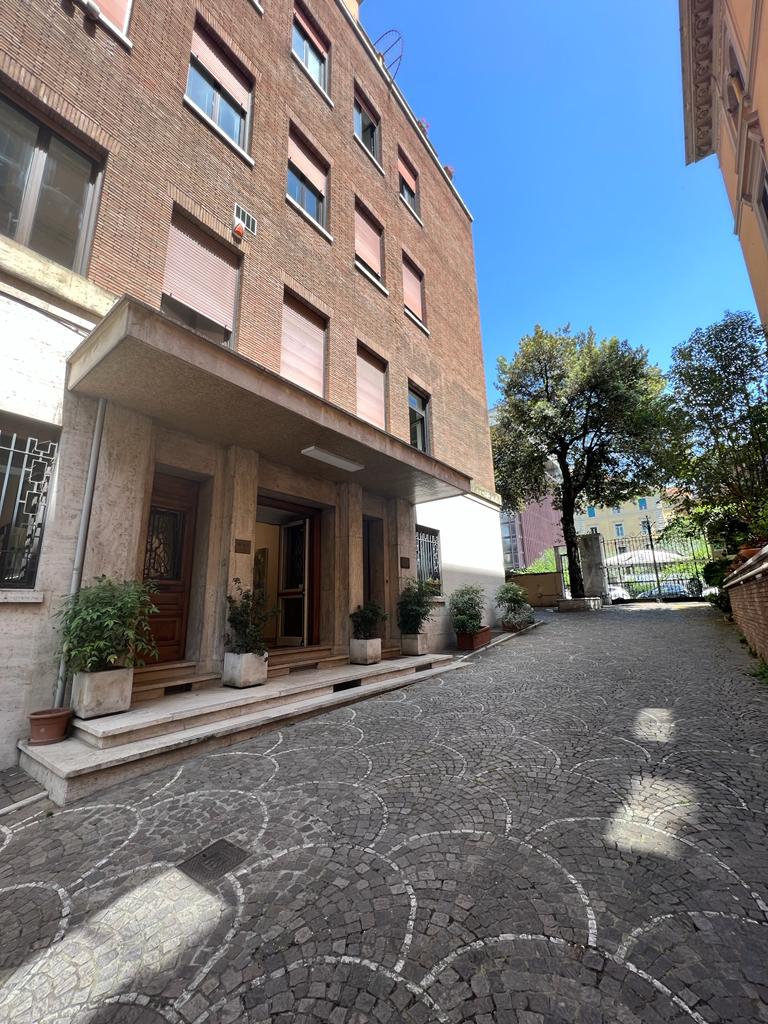
Rome – institutional interdepartmental centre
The institutional interdepartmental centre of Rome, located in Via Gregorio Allegri 1, is a seat of Stazione Zoologica Anton Dohrn, established on November 16th 2018, with approval (n.2) of the board of directors.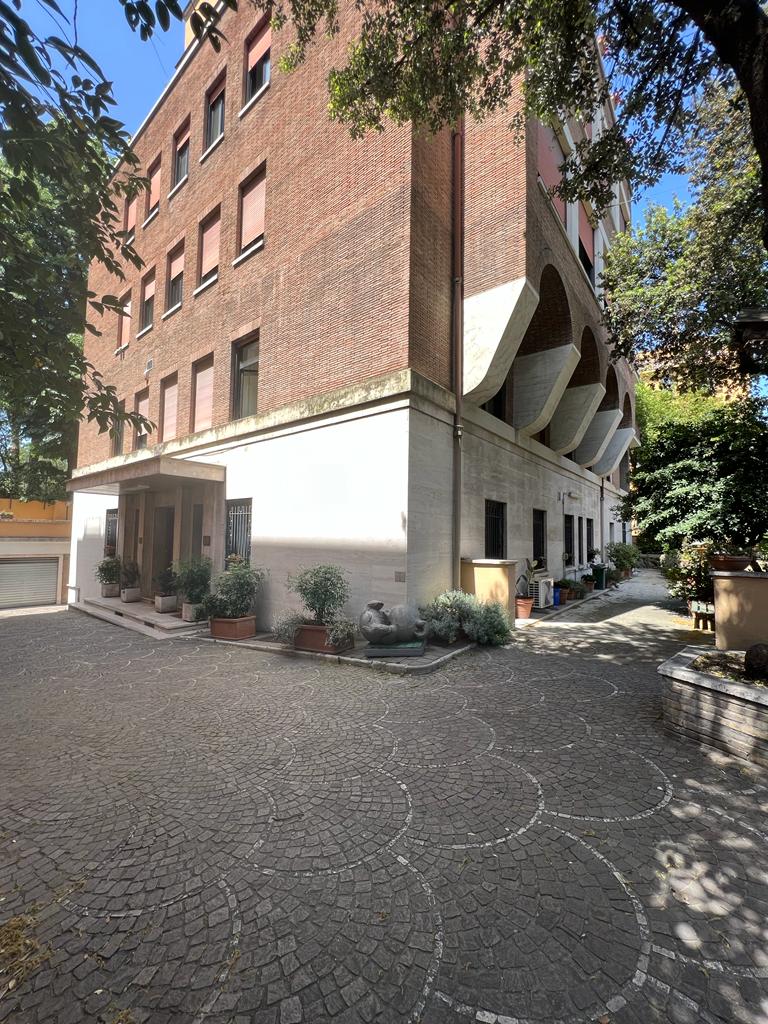
The seat has a strategic positioning with respect to the location of other Ministries, University and Research Centres; in particular, the office is close to the Ministry of University and Research, National Research Council, University of Rome “La Sapienza” and other relevant institutions.
Initiatives
The Seat of Rome:
a) promotes collaborations with enterprises and other institutions for developing knowledge in marine science and its application for different scopes;
b) contributes to developing and promoting the economic, social and cultural progress of the Country by establishing industrial collaboration, spin-off, patent, scientific divulgation and education;
c) conducts supporting activities and strategic consulting for the development of future projects on basic and applied research on the territory of Lazio;
d) promotes the professional and technical growth of researchers with masters, degree courses and PhD based on agreements with Italian and international universities and enterprises;
e) promotes and realizes the dissemination of scientific culture and knowledge of the marine environment through public engagement and outreach activities;
f) collaborates with the Lazio Region, the Municipality of Rome, and other local administrations in promoting the development of joint research initiatives to enhance the territory and its environmental and productive resources;
g) carries out on-request consulting and technical-scientific evaluation activities for Public Administrations, enterprises and other private subjects.
Staff
Francesca Di Carlo
Head of Human Resources Office
Technologist Director
Claudia Gili
CAPE Department - Director
Research Director
Francesco Colloca
EMI Department
Senior Technologist
Simonepietro Canese
RIMAR Department
Senior Researcher
Maria Vittoria Modica
BEOM Department
Eva Salvati
EMI Department
Technologist
Francesco Stenico
RIMAR Department
Technician
Scholarship
Research fellows
PhD Students
International Summer School of Blue Biotechnology (ISSBB)
An International Summer School on “Blue Biotechnology” will be held at the Stazione Zoologica Anton Dohrn of Naples in 2022, from September 21st to 23rd.
The school will be dedicated to PhD students and early career researchers working in the field of blue biotechnology. The three days of summer school will be focused on current interdisciplinary approaches used to disclose biotechnological potential of marine resources and their use for eco-sustainable production of molecules and processes with beneficial effects on human and environment health. A combination of lectures, short communications, practical afternoon sections and visits to laboratories of a local marine biotechnology company will create a stimulating environment for participants. Evenings are always reserved for social events in Naples, which can increase exchange of ideas among participants and create new long-lasting collaborations.
Detailed information on the program of our course and online registration form for the ISSBB 2022 are available at the following link:
https://issbluebiotech.wixsite.com/2022
Registration fee: 230 EU (Deadline: 27 July 2022)


Copyright © 2015 by Stazione Zoologica Anton Dohrn Napoli - Italy
Villa Comunale, 80121 Napoli - Tel.+39 081 5833111 - C.F./P.IVA : IT 04894530635 - PEC: ufficio.protocollo(at)cert.szn.it