


Reference: Maria Costantini
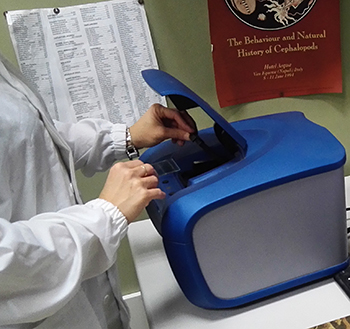 The Laboratory of Marine Genomics and Epigenetics is aimed at developing novel approaches for the study of genomes of marine organisms by applying multidisciplinaty approaches.
It encompasses approaches for the study of epigenetic modifications to study the evolution of diversity and adaptative capabilities of organisms.
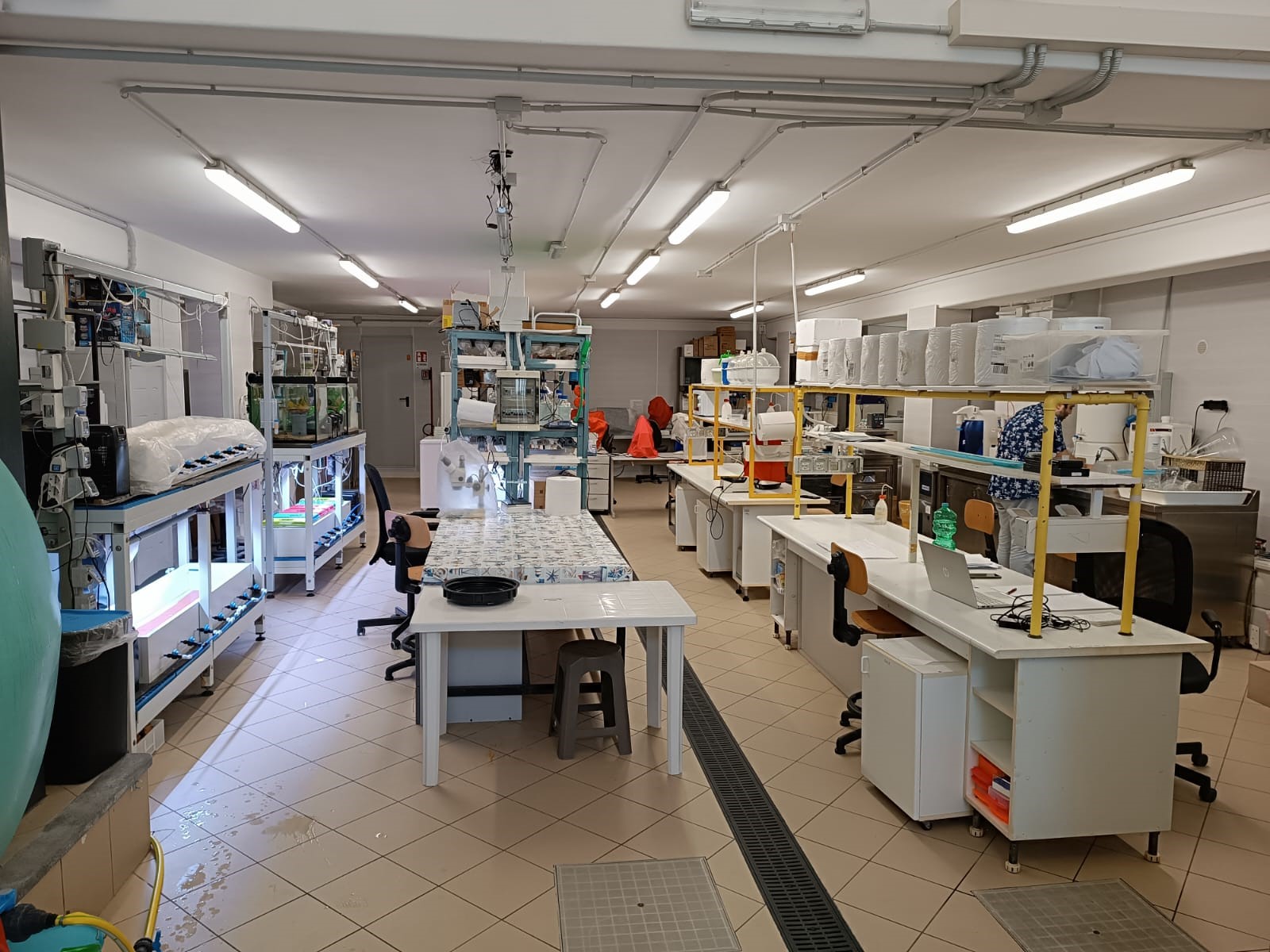
The Lab includes areas equipped for molecular biology and genomic and proteomic analysis.
Systems for experimentation
- Facilities for molecular analysis applied to the study of genomes of marine organisms.
- Systems for the morpho-functional characterization and genome analysis.
 Analysis
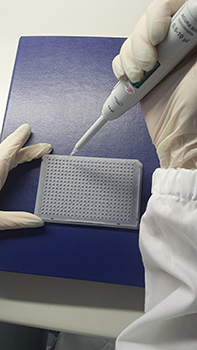
- Genomic approaches to study genome organization in marine organisms.
- Transcriptomics.
- Genomic analysis of the functioning of marine organisms and systems.
- Gene expression (Real Time qPCR, Western Blot).
- Proteomic approaches to study epigenetic modifications (metilation, de-metilation, acetylation, histone and chromatine modifications, etc.).
- Proteomic approaches (antibodies) to identify epigenetic modifications induced by evolution and interaction of organisms with the environment.
 Equipments
- Electrophoresis, DNA and proteins.
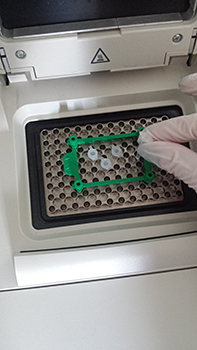
- PCRs including gradient.
- Scanners for micro-arrays and gene expression.
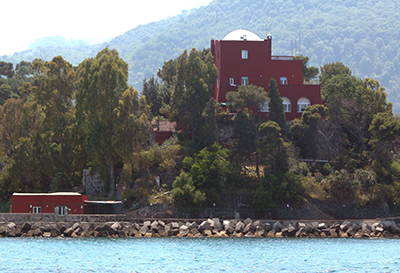 The Ischia Marine Center (IMC) is an interdepartmental center located on the Island of Ischia., The research focus of the IMC is on vulnerability assessment of marine coastal ecosystems and organisms through an integrated approach, highlighting the interactions between anthropogenic activities and climate change, with applications to environmental protection, outreach, and restoration actions. The aim of IMC research activities is to facilitate cooperative research between internal and external researchers, interdisciplinary collaborations, and interactions with public and private stakeholders.
IMC main lines of research include:
1) Benthos ecology: the study of the effects of global changes on biodiversity, plant-animal interaction, and the microbiome associated with marine species.
2) Ecophysiology and biotechnology: the morpho-functional study of coastal communities associated with seagrasses and chemical ecology, also through cultivationof model organisms and research of new biotechnologies.
3) Fisheries oceanography: the study of fish eggs and larvae to understand the variations in abundance and distribution of fish populations related to regional oceanographic factors and global change in climate.
4) Taxonomy of marine organisms: the Marine Organisms Taxonomy Unit (MOTax) at the IMC focuses on the analysis of the benthic communities (sorting, LPT identification, analysis of ecological data).
The IMC is organized into three structures with two functional areas:
 Villa Dohrn, historical site, built in 1906 as the private residence of the Dohrn family. In 1969 the building became the Benthos Ecology Laboratory. Villa Dohrn is currently undergoing a major renovation and repurposing project, to become the new "Research Center for Adaptation of Marine Ecosystems to Climate Change".
 MEDAS Center (Marine Ecological Data Analysis and Synthesis), with the aim of analyzing existing information to address the pressing questions and needs, including economic ones, in the context of Blue Growth. At the momentMEDAS is the operational headquarters of the IMC and the Ecology Functional Area of the Benthos/Nekton for the entire EMI Department of the SZN.
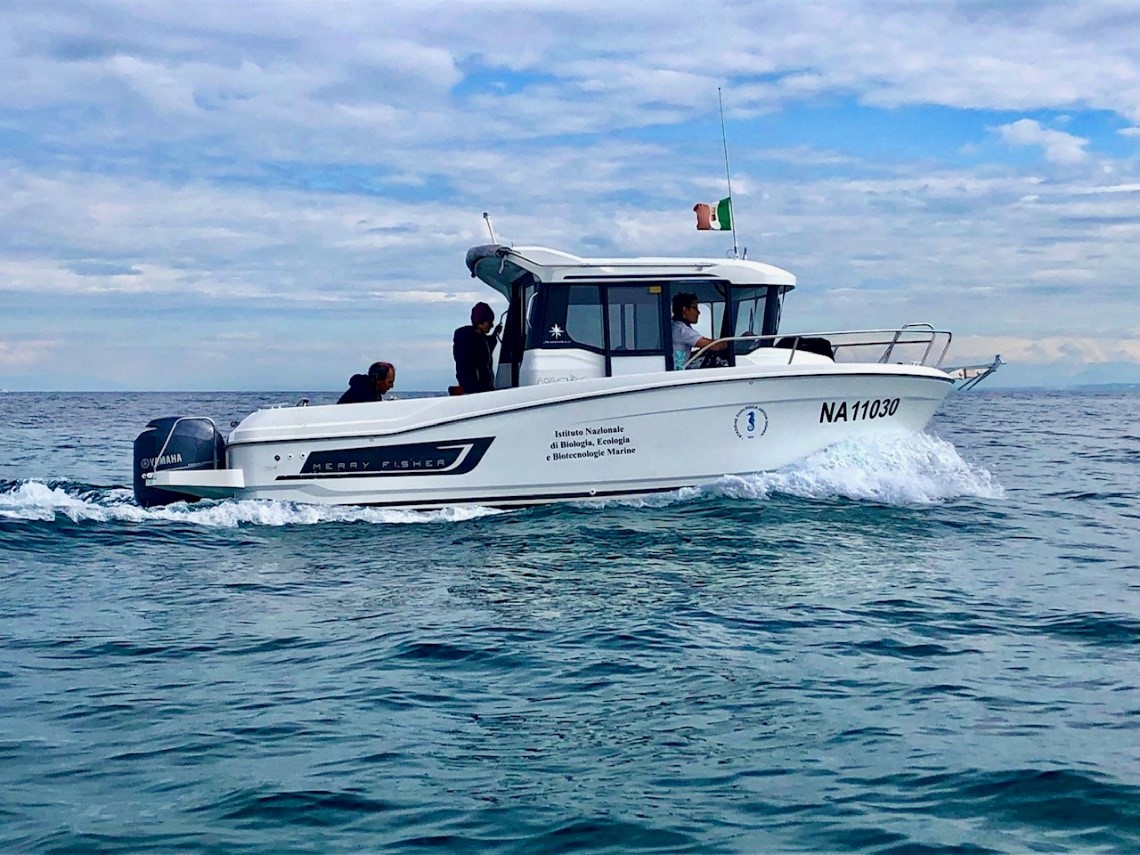
Diving Centre, that oversees scientific diving to support research activities at sea, with Functional Area Diving Center Ischia, located near the mooring of the SZN vessel Beagle Junior, operated by the IMC.
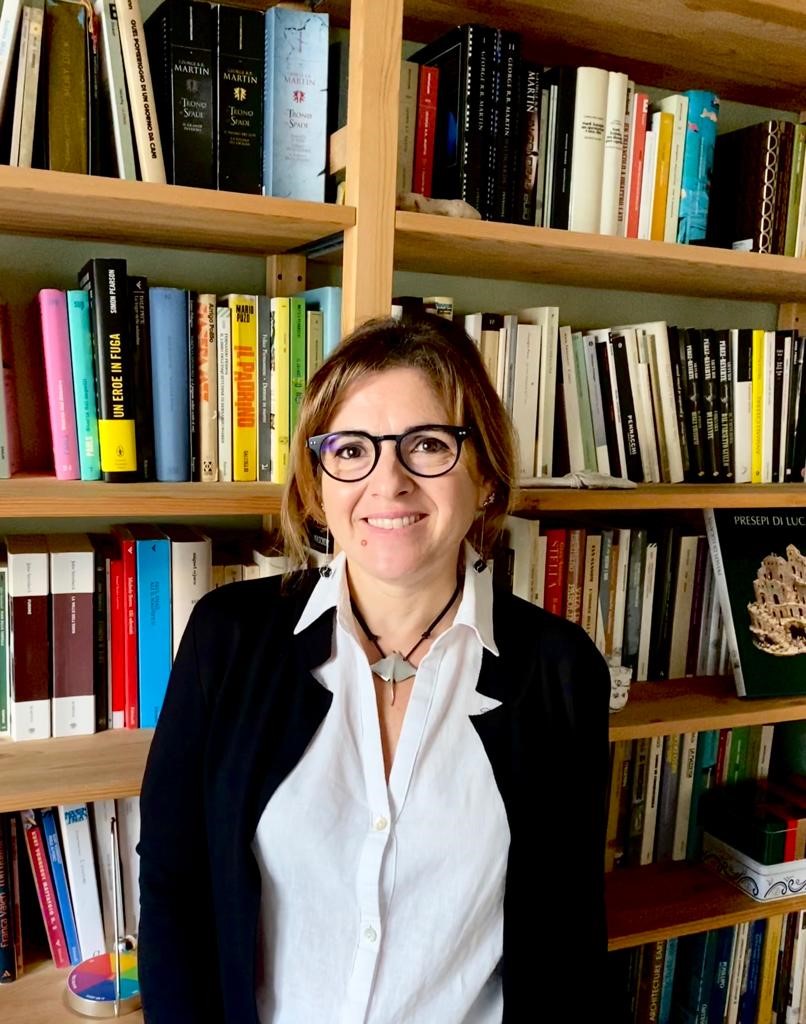
CoordinatorMaria Cristina Vigo Majello |
 |
Personnel
Coordinator
Maria Cristina Vigo Majello
Administration
Messina Rosanna
Patti Francesco
Senior Researcher
Ciannelli Lorenzo
Teixidó Núria
Zupo Valerio
Researcher
Mazzella Valerio
Technologist
Lorenti Maurizio
Technician
Chiarore Antonia
Guglielmo Rosanna
Iacono Bruno
Mirasole Alice
Rando Vincenzo
Scholarship
Italiano Anna
PhD student
Liguori Gianluca
Nannini Matteo
Somma Emanuele
Secretariat of the Scientific Community of the SZN
Stazione Zoologica Anton Dohrn di Napoli
Villa Comunale
80121 Naples
Tel.: 081-5833247
Fax: 081-7641355
e-mail: comunita.scientifica(at)szn.it
 For more information and to book a visit: https://fondazionedohrn.it/home/dadom/
The Darwin-Dohrn Museum
Dedicated to the two giants of science and evolutionary biology, Charles Darwin and Anton Dohrn, the Darwin-Dohrn Museum - DaDoM – promotes the knowledge of the evolution of marine biodiversity.
Inside the DaDoM, visitors will voyage through the oceans through time in the footsteps of Darwin and Dohrn and many other scientists, discovering how organisms became adapted to all marine environments. In this journey through time and research, the public will understand the importance of the oceans in determining the conditions on the planet, will encounter the primordial forms of life that appeared in the oceans over 3 billion years ago, will discover evolutionary theories, and will encounter a series of fossils that show the evolution of forms and functions over the geological eras (walk through time).
Works of art, sculptures and historical biological samples will show how marine organisms move, feed, and reproduce, and the mechanisms that led to current life forms, in a gallery of biodiversity, from the simplest to the most complex organisms, to arrive at the multipurpose room of the DaDoM, housing a large skeleton of a sperm whale (beached along the Campania coasts and recovered by researchers), enriched by models of organisms that feed on the carcasses of these majestic giants of the sea when they arrive in the depths of the sea. The multipurpose room is dominated by a six-meter high wall that houses ten thousand preparations of animals from the Gulf of Naples, set up by the genius of Salvatore Lo Bianco and by those who followed his footsteps in the art of conservation.
The multipurpose room is designed to host thematic exhibits to explore topics of great scientific and popular interest, but also for scientific conferences and seminars, and is available to the cultural world for other initiatives of public interest, such as shows, concerts, exhibitions and film broadcasts. The museum itinerary also includes a journey through the studies and ancient maps of the Gulf of Naples, the discoveries of the over 20 Nobel laureates who conducted their studies in the SZN, up to the current research updated and exhibited month by month.
The Museum includes a large educational laboratory for students of all types and levels designed to carry out practical observation and study activities aimed at discovering the secrets of marine life. The upper floor of the building includes the staff offices, laboratories and organizations hosted by the Center. The Anton Dohrn Zoological Station has returned to the citizens of Naples, Campania and the whole country an asset of the city in its full fruition. This objective will also be extended to the outside of the building, making the garden of the Museum a place of knowledge in the open air. In fact, the garden hosts two scientific submersibles made available by the MareAmico Cultural Association and which have also been used for the exploration of the deep sea environments of the Mediterranean.
Depending on specific needs, the rear lawn or the roof terrace will finally host an open-air summer cinema for documentaries on the sea and for an international competition on scientific cinema and marine documentaries.
Scientific, Educational and Cultural Center in the heart of the city
With the aim of strengthening the so-called "third mission", i.e. the activities of dissemination of scientific discoveries, as well as the opening of research facilities to citizens, with their direct involvement, the Darwin-Dohrn Museum offers opportunities for scientific and educational collaborations, training of teachers and specialists in the sector, educational workshops, cultural meetings, and guided tours for citizens and tourists.
The Museum was inaugurated on December 9, 2021 but its layout will be continuously enriched with new material and new initiatives.


Copyright © 2015 by Stazione Zoologica Anton Dohrn Napoli - Italy
Villa Comunale, 80121 Napoli - Tel.+39 081 5833111 - C.F./P.IVA : IT 04894530635 - PEC: ufficio.protocollo(at)cert.szn.it