

Secretariat of the Scientific Community of the SZN
Stazione Zoologica Anton Dohrn di Napoli
Villa Comunale
80121 Naples
Tel.: 081-5833247
Fax: 081-7641355
e-mail: comunita.scientifica(at)szn.it
 Book your visit on fondazionedohrn.it
The first public aquarium in Italy
Entering the historic public Aquarium of Naples, the oldest still functioning, designed to show the ecosystems and biodiversity of the Gulf of Naples and more generally of the Mediterranean and their possible evolution in relation to changes, means crossing the threshold of time and diving in the dream of its founder, the zoologist Anton Dohrn, to provide and disseminate knowledge of the underwater world.
The Aquarium, in fact, was inaugurated in 1874 only two years after the foundation of the Zoological Station itself, "the great hotel of scientists", as Benedetto Croce defined it, which took place in March 1872, to fulfill the triple function of live observation of the sea, entertainment and research funding.
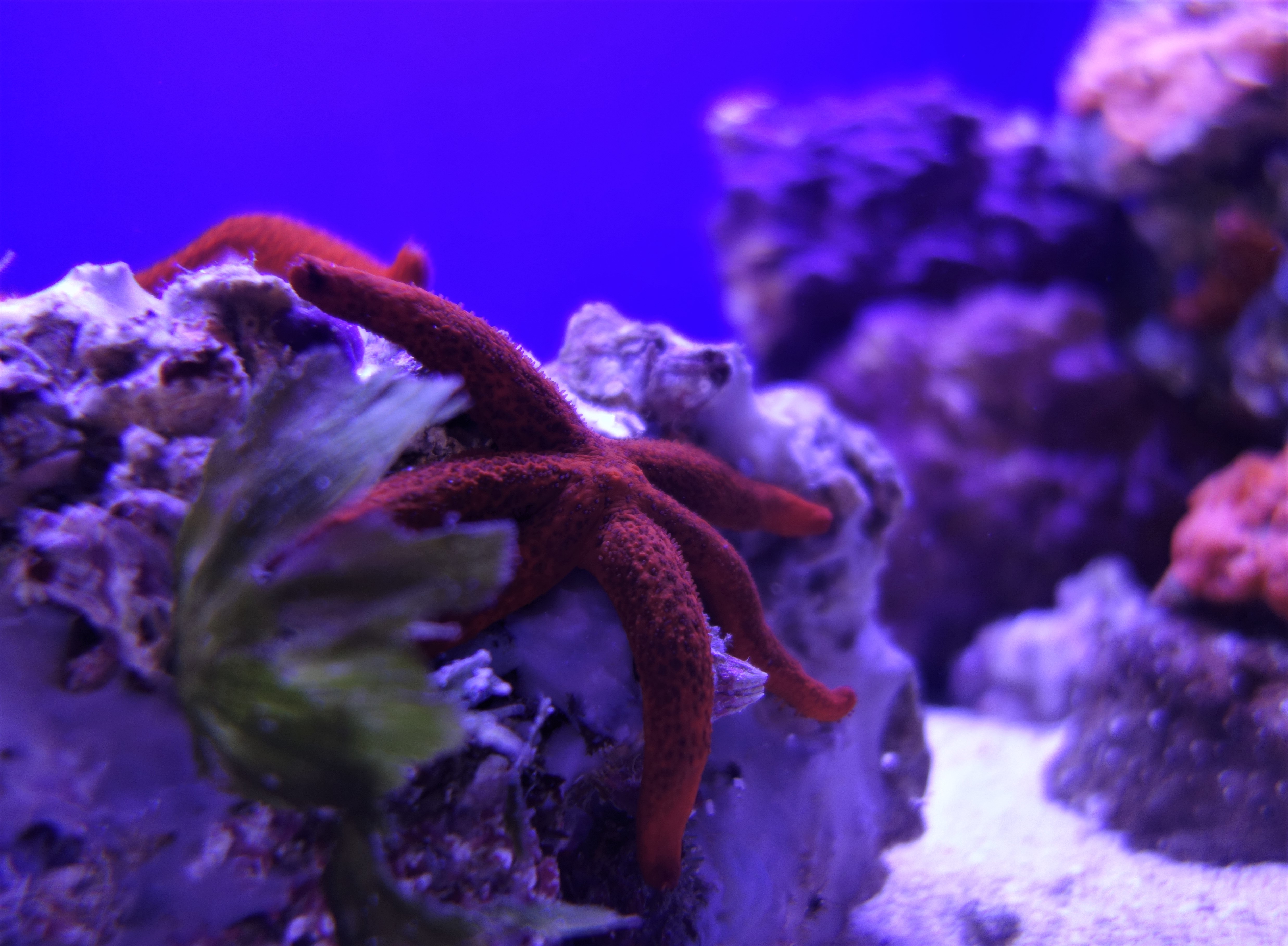 Flora and fauna of the Gulf of Naples
Students, scientists and researchers from all over the world came to Naples to analyze and study animals live and in their natural environment. Just a few steps were enough to leave your rented study table, equipped with a very rich instrumentation, to find yourself face to face with the subject of your own research, living or "fixed" by the skilled hands of the conservators of the Stazione Zoologica, first of all Salvatore Lo Bianco.
Located on the ground floor, the Aquarium was connected, and still is today, directly to the sea by an underground channel. The engineering work was entrusted to the English William Alford Lloyd, who had already developed the aquariums in London and Hamburg. The exhibition rooms received natural light from the side windows and skylights and the semi-darkness thus generated made the visit even more immersive.
Today the architectural layout has remained unchanged. The restoration and necessary modernization works, have allowed the maintenance of the ancient exhibition tanks dedicated to the environments of the Gulf of Naples and the peculiarities of its marine life, equipping them with the most modern and sophisticated technological systems to ensure the well-being of the organisms that populate it. At the same time it shows a great novelty, represented by the large central tanks hosting the tropical coral reef, the vision of a possible change in the Mediterranean induced by environmental changes.
Discovering the Aquarium
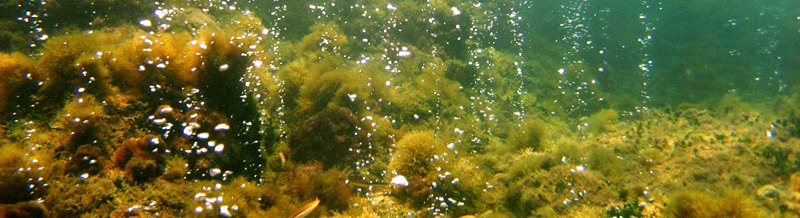
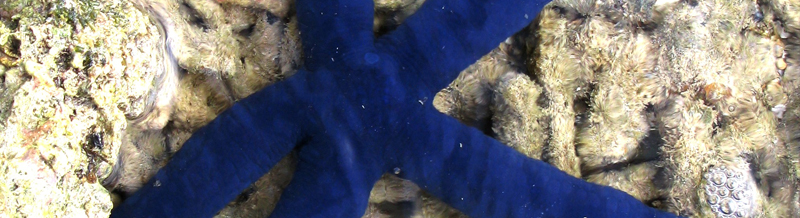
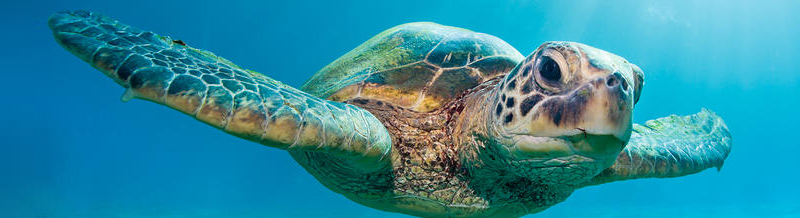
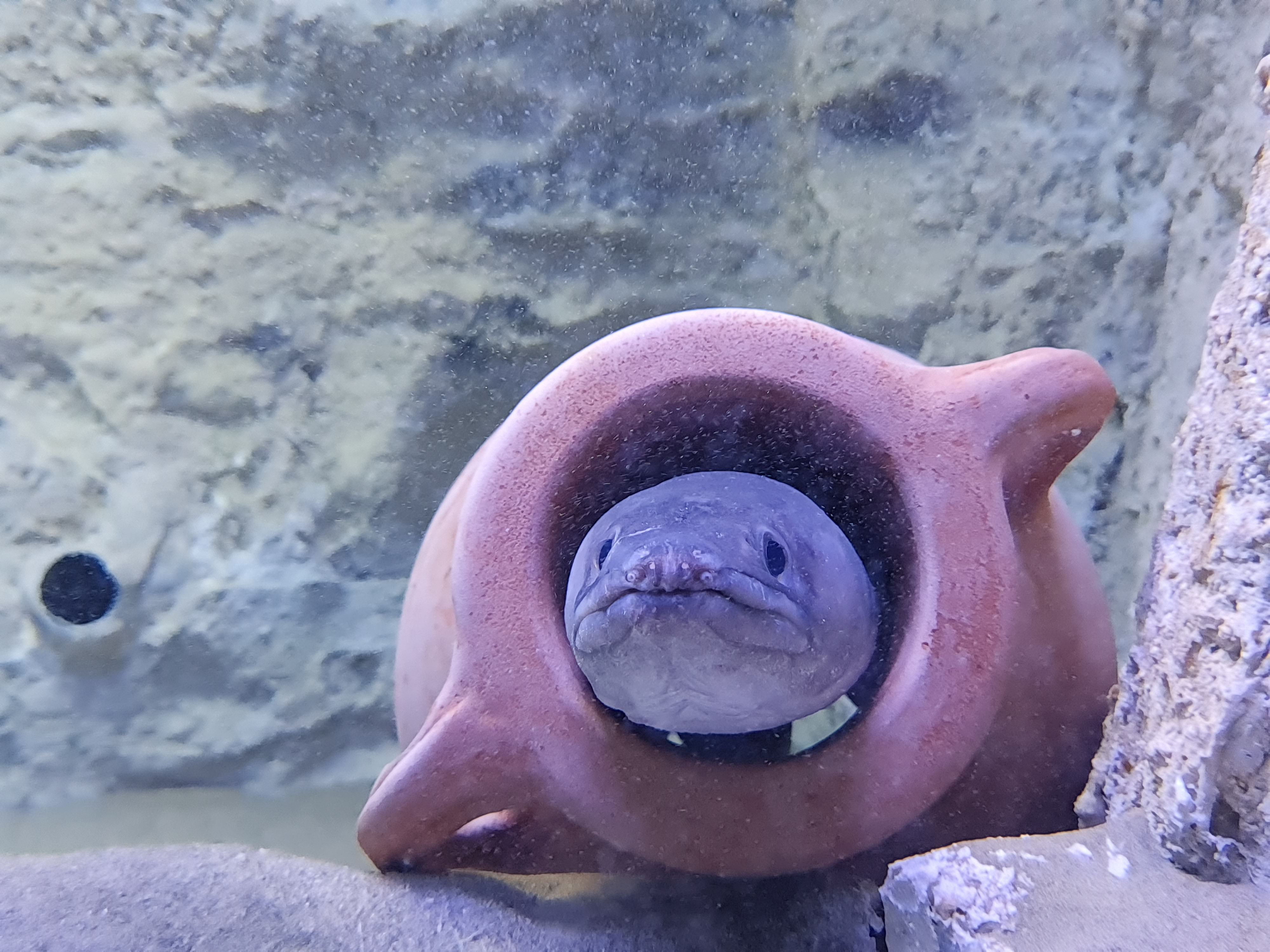 The journey inside the Aquarium will then lead the visitors to discover the sea, from the coast to the open sea, between caves and ravines, along seagrass meadows, passing from the coralligenous to the abyss, from the pelagic environment, also inhabited by alien species, from Mediterranean reefs to tropical formations. Of particular interest will be the murenarium, which represents the breeding structures of moray eels (murenari) designed by the ancient Romans and well preserved in the submerged archaeological area of Gaiola in Capo Posillipo. Another novelty is the octopus tank, an extraordinary ancient organism that has a life cycle of about two years and an intelligence similar to that of mammals.
The knowledge of the richness of the sea and of the biodiversity it contains, as well as of all its wonders, must lead each of us to the awareness of its importance for our very survival. To protect it and manage it in an eco-sustainable way, we need to know it and even today our knowledge is not complete.
Dohrn's dream has never ceased, the scientific and cultural climate of his Stazione Zoologica, currently the National Institute of Marine Biology, Ecology and Biotechnology, considered in an international ranking among the best 20 Scientific Research Institutes in the world, has reached us and allows us to look at life and the mysteries of the underwater world with open eyes.
 For more information and to book a visit: https://fondazionedohrn.it/home/dadom/
The Darwin-Dohrn Museum
Dedicated to the two giants of science and evolutionary biology, Charles Darwin and Anton Dohrn, the Darwin-Dohrn Museum - DaDoM – promotes the knowledge of the evolution of marine biodiversity.
Inside the DaDoM, visitors will voyage through the oceans through time in the footsteps of Darwin and Dohrn and many other scientists, discovering how organisms became adapted to all marine environments. In this journey through time and research, the public will understand the importance of the oceans in determining the conditions on the planet, will encounter the primordial forms of life that appeared in the oceans over 3 billion years ago, will discover evolutionary theories, and will encounter a series of fossils that show the evolution of forms and functions over the geological eras (walk through time).
Works of art, sculptures and historical biological samples will show how marine organisms move, feed, and reproduce, and the mechanisms that led to current life forms, in a gallery of biodiversity, from the simplest to the most complex organisms, to arrive at the multipurpose room of the DaDoM, housing a large skeleton of a sperm whale (beached along the Campania coasts and recovered by researchers), enriched by models of organisms that feed on the carcasses of these majestic giants of the sea when they arrive in the depths of the sea. The multipurpose room is dominated by a six-meter high wall that houses ten thousand preparations of animals from the Gulf of Naples, set up by the genius of Salvatore Lo Bianco and by those who followed his footsteps in the art of conservation.
The multipurpose room is designed to host thematic exhibits to explore topics of great scientific and popular interest, but also for scientific conferences and seminars, and is available to the cultural world for other initiatives of public interest, such as shows, concerts, exhibitions and film broadcasts. The museum itinerary also includes a journey through the studies and ancient maps of the Gulf of Naples, the discoveries of the over 20 Nobel laureates who conducted their studies in the SZN, up to the current research updated and exhibited month by month.
The Museum includes a large educational laboratory for students of all types and levels designed to carry out practical observation and study activities aimed at discovering the secrets of marine life. The upper floor of the building includes the staff offices, laboratories and organizations hosted by the Center. The Anton Dohrn Zoological Station has returned to the citizens of Naples, Campania and the whole country an asset of the city in its full fruition. This objective will also be extended to the outside of the building, making the garden of the Museum a place of knowledge in the open air. In fact, the garden hosts two scientific submersibles made available by the MareAmico Cultural Association and which have also been used for the exploration of the deep sea environments of the Mediterranean.
Depending on specific needs, the rear lawn or the roof terrace will finally host an open-air summer cinema for documentaries on the sea and for an international competition on scientific cinema and marine documentaries.
Scientific, Educational and Cultural Center in the heart of the city
With the aim of strengthening the so-called "third mission", i.e. the activities of dissemination of scientific discoveries, as well as the opening of research facilities to citizens, with their direct involvement, the Darwin-Dohrn Museum offers opportunities for scientific and educational collaborations, training of teachers and specialists in the sector, educational workshops, cultural meetings, and guided tours for citizens and tourists.
The Museum was inaugurated on December 9, 2021 but its layout will be continuously enriched with new material and new initiatives.
Please download the form for the request of Assocation to the Stazione Zoologica Anton Dohrn of Naples


Copyright © 2015 by Stazione Zoologica Anton Dohrn Napoli - Italy
Villa Comunale, 80121 Napoli - Tel.+39 081 5833111 - C.F./P.IVA : IT 04894530635 - PEC: ufficio.protocollo(at)cert.szn.it