



 NewsNewsMICROCOSMO: UN EP DEL COLLETTIVO CREATIVO FIGLIE DI NETTUNO, UN VIAGGIO SONORO TRA MARE, VITA E INTERCONNESSIONI
Pagine
2014
ISI Journal Papers
Affinito O., Andreakis N., Caputi L., Marino R., Pannone R., Sordino P., Procaccini G. (2014). High connectivity and directional gene flow in European Atlantic and Mediterranean populations of Ciona intestinalis sp. A. Marine ecology, First published online: http://onlinelibrary.wiley.com/doi/10.1111/maec.12226/abstract
Amodio P., Andrews P., Salemme M., Ponte G., Fiorito G. (2014). The Use of Artificial Crabs for Testing Predatory Behavior and Health in the Octopus. ALTEX, 31(4): 494-499.
Annunziata R. and Arnone M.I. (2014). A dynamic network of regulatory interactions explains ParaHox gene control of gut patterning in the sea urchin embryo. Development, 141: 2462-72.
Arienzo M., Toscano F., Di Fraia M., Caputi L., Sordino P., Guida M., Aliberti F., Ferrara L. (2014). An assessment of contamination of the Fusaro Lagoon (Campania Province, southern Italy) by trace metals. Environmental Monitoring Assessment, 186(9): 5731-5747. DOI: 10.1007/s10661-014-3816-4.
Bezzaouia A., Gallo A., Silvestre F., Tekaya S., Tosti E. (2014). Distribution pattern and activity of mitochondria during oocyte growth and maturation in the ascidian Styela plicata. Zygote, 22(4): 462-469. DOI: 10.1017/S0967199412000640.
Castellano I., Ercolesi E., Palumbo A. (2014). Nitric oxide affects ERK signaling through down-regulation of MAP kinase phosphatase levels during larval development of the ascidian Ciona intestinalis. PLoS One, 9(7): e102907. DOI:10.1371/journal.pone.0102907.
Chun J.T., Limatola N., Vasilev F., Santella L. (2014). Early events of fertilization in sea urchin eggs are sensitive to actin-binding organic molecules. Biochemical and biophysical research communications, 450(3): 1166-1174. DOI: 10.1016/j.bbrc.2014.06.057.
Cima F., Caicci F., Sordino P. (2014). The haemocytes of the salp Thalia democratica (Tunicata, Thaliacea): an ultrastructural and histochemical study in the oozoid. Acta Zoologica, 95(4): 375-391.
Conte I., Merella S., Garcia-Manteiga J.M., Migliore C., Lazarevic D., Carrella S., Marco-Ferreres R., Avellino R., Davidson N.P., Emmett W., Sanges R., Bockett N., Van Heel D., Meroni G., Bovolenta P., Stupka E., Banfi S. (2014). The combination of transcriptomics and informatics identifies pathways targeted by miR-204 during neurogenesis and axon guidance. Nucleic Acids Res, 42(12): 7793-806. DOI: 10.1093/nar/gku498.
Dattolo E., Ruocco M., Brunet C., Lorenti M., Lauritano C., D'Esposito D., De Luca P., Sanges R., Mazzuca S., Procaccini G. (2014). Response of the seagrass Posidonia oceanica to different light environments: Insights from a combined molecular and photo-physiological study. Marine Environmental Research, 101: 225-236. DOI: 10.1016/j.marenvres.2014.07.010.
De Felice B., Annunziata A., Fiorentino G., Manfellotto F., D’Alessandro R., Marino R., Borra M., Biffali E. (2014). Telomerase expression in amyotrophic lateral sclerosis (ASL) patients. Journal of Human Genetics, 59(10): 555-561.
De Felice E., Porreca I., Alleva E., De Girolamo P., Ciriaco E., Germanà A., Sordino P. (2014). Localization of BDNF expression in the developing brain of zebrafish. Journal of Anatomy, 224(5): 564-574. DOI: 10.1111/joa.12168.
Delroisse J., Ullrich-Lüter E., Ortega-Martinez O., Dupont S., Arnone M.I., Mallefet J., Flammang P. (2014). High opsin diversity in a non-visual infaunal brittle star. BMC Genomics, 15: 1035.
Dishaw L.J., Flores-Torres J., Lax S., Gemayel C., Leigh B., Melillo D., Mueller M.G., Natale L., Zucchetti I., De Santis R., Pinto M.R., Litman G.W., Gilbert J.A. (2014). The gut of geographically disparate Ciona intestinalis harbors a core microbiota. PLoS One, 9(4): e93386. DOI:10.1371/journal.pone.0093386.
Dvořák P., Casamatta D.A., Poulíčková A., Hašler P., Ondřej V., Sanges R. (2014). Synechococcus: 3 billion years of global dominance. Molecular Ecology, 23(22): 5538-5551. DOI: 10.1111/mec.12948.
Fiorito G., Affuso A., Anderson D., Basil J., Bonnaud L., Botta G., Cole A., D'Angelo L., Girolamo P., Dennison N., Dickel L., Cosmo A., Cristo C., Gestal C., Fonseca R., Grasso F., Kristiansen T., Kuba M., Maffucci F., Manciocco A., Mark F., Melillo D., Osorio D., Palumbo A., Perkins K., Ponte G., Raspa M., Shashar N., Smith J., Smith D., Sykes A., Villanueva R., Tublitz N., Zullo L., Andrews P. (2014). Cephalopods in neuroscience: regulations, research and the 3Rs. Invertebrate Neuroscience 14(1): 13-36.
Gallina A.A., Brunet C., Palumbo A., Casotti R. (2014). The Effect of Polyunsaturated Aldehydes on Skeletonema marinoi (Bacillariophyceae): The Involvement of Reactive Oxygen Species and Nitric Oxide. Marine Drugs, 12: 4165-4187. DOI:10.3390/md12074165.
Guariniello S., Colonna G., Raucci R., Costantini M., Di Bernardo G., Bergantino F., Castello G., Costantini S. (2014). Structure-function relationship and evolutionary history of the human selenoprotein M (SelM) found over-expressed in hepatocellular carcinoma. BBA-Proteins and Proteomics, 1844: 447-456.
Josef N., Mann O., Sykes A.V., Fiorito G., Reis J., Maccusker S., Shashar N. (2014). Depth perception: cuttlefish (Sepia officinalis) respond to visual texture density gradients. Animal Cognition, 17(6): 1393-1400.
Liberti A., Melillo D., Zucchetti I., Natale L., Dishaw L.J., Litman G.W., De Santis R., Pinto M.R. (2014). Expression of Ciona intestinalis variable region-containing chitin-binding proteins during development of the gastrointestinal tract and their role in host-microbe interactions. PLoS One, 9(5): e94984. DOI:10.1371/journal.pone.0094984.
Migliaccio O., Castellano I., Romano G., Palumbo A. (2014). Stress response to cadmium and manganese in Paracentrotus lividus developing embryos is mediated by nitric oxide. Aquatic Toxicology, 156:125-134.
Perillo M. and Arnone M.I. (2014). Characterization of insulin-like peptides (ILPs) in the sea urchin Strongylocentrotus purpuratus: insights on the evolution of the insulin family. General and Comparative Endocrinology, 205: 68-79.
Pezzotti M.R., Locascio A., Racioppi C., Fucci L., Branno M. (2014). Auto and cross regulatory elements control Onecut expression in the ascidian nervous system. Developmental Biology, 390, 273-287.
Porreca I., D’Angelo F., Gentilcore D., Carchia E., Amoresano A., Affuso A,. Ceccarelli M., De Luca P., Esposito L., Guadagno F.M., Mallardo M., Nardone A., Maccarone S., Pane F., Scarfò M., Sordino P., De Felice M., Ambrosino C. (2014). Cross-species toxicogenomic analyses and phenotypic anchoring in response to groundwater low-level pollution. BMC Genomics, 15: 1067. DOI: 10.1186/1471-2164-15-1067.
Racioppi C., Kamal A. K., Razy-Krajka F., Gambardella G., Zanetti L., di Bernardo D., Sanges R., Christiaen A. L., Ristoratore F. (2014). Fibroblast growth factor signalling controls nervous system patterning and pigment cell formation in Ciona intestinalis. Nature Communications, 5: 4830. DOI: 10.1038/ncomms5830.
Roberts J.A., Miguel-Escalada I., Slovik K.J., Walsh K.T., Hadzhiev Y., Sanges R., Stupka E., Marsh E.K., Balciuniene J., Balciunas D., Müller F. (2014). Targeted transgene integration overcomes variability of position effects in zebrafish. Development, 141(3): 715-724. DOI: 10.1242/dev.100347.
Russo G.L., Russo M., Castellano I,. Napolitano A., Palumbo A. (2014). Ovothiol isolated from sea urchin oocytes induces autophagy in Hep-G2 cell line. Marine Drugs, 12: 4069-4085. DOI: 10.3390/md12074069.
Russo M.T., Racioppi C., Zanetti L., Ristoratore F. (2014). Expression of a single prominin homolog in the embryo of the model chordate Ciona intestinalis. Gene Expression Patterns, 15(1): 38-45. DOI: 10.1016/j.gep.2014.04.001.
Salvemini M., Arunkumar K.P., Nagaraju J., Sanges R., Petrella V., Tomar A., Zhang H., Zheng W., Saccone G. (2014). De novo assembly and transcriptome analysis of the Mediterranean fruit fly Ceratitis capitata early embryos. PLoS One, 9(12): e114191. DOI: 10.1371/journal.pone.0114191.
Sansone C., Braca A., Ercolesi E., Romano G., Palumbo A., Casotti R., Francone M., Ianora A. (2014). Diatom-derived polyunsaturated aldehydes activate cell death in human cancer cell lines but not normal cells. PLoS One, 9: e101220. DOI: 10.1371/journal.pone.0101220.
Sorrenti G., Bagnoli A., Miraglia V., Crocetta F., Vitiello V., Ristoratore F., Cirino P., Sansone G., Sordino P. (2014). Investigating sperm cryopreservation in a model tunicate, Ciona intestinalis sp. A. Cryobiology. 68.(1): 43-49 DOI: 10.1016/j.cryobiol.2013.11.005.
Stolfi A., Lowe K.E., Racioppi C., Ristoratore F., Brown C.T., Swalla J.B., Christiaen L. (2014). Divergent mechanisms regulate conserved cardiopharyngeal development and gene expression in distantly related ascidians. eLife, 3: e03728. DOI: 10.7554.
Varrella S., Romano G., Ianora A., Bentley M.G., Ruocco N., Costantini M. (2014). Molecular response to toxic diatom-derived aldehydes in the sea urchin Paracentrotus lividus. Marine Drugs, 12: 2089-2113.
Other Publications
De Luca D., Catanese G., Procaccini G., Fiorito G. (2014). An integration of historical records and genetic data to the assessment of global distribution and population structure in Octopus vulgaris. Frontiers in Ecology and Evolution, 2: DOI=10.3389/fevo.2014.00055.
Zuppa A., Costantini S., Costantini M. (2014). Comparative sequence analysis of bacterial symbionts from the marine sponges Geodia cydonium and Ircinia muscarum. Bioinformation, 10(4):196-200.
Chapters
Migliaccio O., Castellano I., Romano G., Palumbo A. (2014). Response of sea urchin to environmental stress. In: Banks E.R. (Ed.). Sea Urchins: Habitat, Embryonic Development and Importance in the Environment. New York. Nova Science Publishers: 29‐51.
Santella L., Limatola N., Chun J.T. (2014). Actin Cytoskeleton and Fertilization in Starfish Eggs. In: Sawada H., Inoue N., Iwano M. (Eds.). Sexual Reproduction in Animals and Plants. Tokyo, Japan. Springer: 141-155.
Tricarico E., Amodio P., Ponte G., Fiorito G. (2014). Cognition and Recognition in the Cephalopod Mollusc Octopus vulgaris: Coordinating Interaction with Environment and Conspecifics. In: Witzany, G. (Ed.). Biocommunication of Animals. Netherlands. Springer: 337-349.
2013
ISI Journal Papers
Andrikou C., Iovene E., Rizzo F., Oliveri P., Arnone M.I. (2013). Myogenesis in the sea urchin embryo: the molecular fingerprint of the myoblast precursors. EvoDevo, 4(1):33. DOI: 10.1186/2041-9139-4-33.
Annunziata R., Martinez P., Arnone M.I. (2013). Intact cluster and chordate-like expression of ParaHox genes in a sea star. BMC Biology, 11: 68. DOI: 10.1186/1741-7007-11-68.
Annunziata R., Perillo M., Andrikou C,. Cole A., Martinez P., Arnone M.I. (2013). Pattern and Process During Sea Urchin Gut Morphogenesis: the Regulatory Landscape. Genesis, 52(3): 251-268. DOI: 10.1002/dvg.22738.
Basu S., Müller F., Sanges R. (2013). Examples of sequence conservation analyses capture a subset of mouse long non-coding RNAs sharing homology with fish conserved genomic elements. BMC Bioinformatics, 14(Suppl 7): S14. DOI: 10.1186/1471-2105-14-S7-S14.
Chun J.T., Vasilev F., Santella L. (2013). Antibody Against The Actin-Binding Protein Depactin Attenuates Ca2+ Signaling In Starfish Eggs. Biochemical and Biophysical Research Communications, 441(2): 301-307.
Costantini M., Alvarez-Valin F., Costantini S., Cammarano R., Bernardi G. (2013). Compositional patterns in the genomes of unicellular eukaryotes. BMC Genomics, 14: 755. DOI: 10.1186/1471-2164-14-755.
Costantini S., Sharma A., Raucci R., Costantini M., Autiero I., Colonna G. (2013). Genealogy of an ancient protein family: the Sirtuins, a family of disordered members. BMC Evolutionary Biology, 13: 60. DOI: 10.1186/1471-2148-13-60.
Ferriero R., Manco G., Lamantea E., Nusco E., Ferrante M.I., Sordino P., Stacpoole P.W., Lee B., Zeviani M., Brunetti-Pierri N. (2013). Phenylbutyrate therapy for pyruvate dehydrogenase complex deficiency and lactic acidosis. Science Translational Medicine, 5: 175ra31. DOI: 10.1126/scitranslmed.3004986.
Gallo A., Russo G.L., Tosti E. (2013). T-type Ca2+ current activity during oocyte growth and maturation in the ascidian Styela plicata. PLoS One, 8(1): 54e604. DOI: 10.1371/journal.pone.0054604.
Gallo A., Tosti E. (2013). Adverse Effect of Antifouling Compounds on the Reproductive Mechanisms of the Ascidian Ciona intestinalis. Marine Drugs, 11: 3554-3568. DOI: 10.3390/md11093554.
Ikuta T., Chen Y.C., Annunziata R., Ting H.C., Tung C.H., Koyanagi R., Tagawa K., Humphreys T., Fujiyama A., Saiga H., Satoh N., Yu J.K., Arnone M.I., Su Y.H. (2013). Identification of an intact ParaHox cluster with temporal colinearity but residual spatial colinearity in the hemichordate Ptychodera flava. BMC Evolutionary Biology, 13(1): 129.
Locatello L., Fiorito G., Finos L., Rasotto M. B. (2013). Behavioural and immunological responses to an immune challenge in Octopus vulgaris. Physiology & Behavior, 122: 93-99. DOI: 10.1016/j.physbeh.2013.08.029.
Mattiello T., d’Ischia M., Palumbo A. (2013). Nitric oxide in chromatic body patterning elements of Sepia officinalis. Journal of Experimental Marine Biology and Ecology, 447: 128-131. DOI:10.1016/j.jembe.2013.02.019.
Pascual-Anaya J., D’Aniello S., Kuratani S., Garcia-Fernàndez J. (2013). Evolution of the Hox clusters in deuterostomes. BMC Developmental Biology, 13: 26. DOI:10.1186/1471-213X-13-26.
Peterson K.J., Su Y.H., Arnone M.I., Swalla B., King B. (2013). MicroRNAs Support the Monophyly of Enteropneust Hemichordates. Journal of experimental zoology. Part B, Molecular and developmental evolution, 320(6): 368-74. DOI: 10.1002/jez.b.22510.
Sanges R., Hadzhiev Y., Gueroult-Bellone M., Roure A., Ferg M., Meola N., Amore G., Basu S., Brown E.R., De Simone M., Petrera F., Licastro D., Strähle U., Banfi S., Lemaire P., Birney E., Müller F., Stupka E. (2013). Highly conserved elements discovered in vertebrates are present in non-syntenic loci of tunicates, act as enhancers and can be transcribed during development. Nucleic Acids Research, 41(6): 3600-3618. DOI: 10.1093/nar/gkt030.
Tosti E., Boni R., Gallo A., Silvestre F. (2013). Ion currents modulating oocyte maturation in animals. Systems Biology in Reproductive Medicine, 59(2): 61-68. DOI: 10.3109/19396368.2012.758790.
Ullrich-Lüter E., D’Aniello S., Arnone M.I. (2013). C-opsin expressing photoreceptors in echinoderms. Integrative & Comparative Biology, 53: 27-38. DOI: 10.1093/icb/ict050.
Chapters
Amodio P. and Fiorito G. (2013). Observational and Other Types of Learning in Octopus' in Menzel R. and Benjamin P.R. (Eds.). Invertebrate Learning and Memory. London, UK. Elsevier: 293-302.
Chun J.T. and Santella L. (2013). Intracellular Calcium Waves' in Lennarz W.J. and Lane M.D. (Eds.) The Encyclopedia of Biological Chemistry. Waltham, USA. Academic Press: 648-647.
Santella L., and Chun J.T. (2013). Calcium signaling by cyclic ADP-ribose and NAADP' in Lennarz W.J. and Lane M.D. (Eds.) The Encyclopedia of Biological Chemistry. Waltham, USA. Academic Press: 331-336.
2012
ISI Journal Papers
Balato A., Lembo S., Mattii M., Schiattarella M., Marino R., De Paulis A., Balato A. (2012). IL-33 is secreted by psoriatic keratinocytes and induces pro-inflamation cytokines via keratinocyte and mast cell activation. Experimental dermatology, 21(11): 892-4. Erratum in: Experimental dermatology: 21(12):977. DOI: 10.1111/exd.12027.
Costantini M., Auletta F., Bernardi G. (2012). The distribution of "new" and "old" Alu sequences in the human genome: the solution of a "mystery". Molecular Biology and Evolution, 29(1): 421-427. DOI: 10.1093/molbev/msr242.
Ercolesi E., Tedeschi G., Fiore G., Negri A., Maffioli E., d’Ischia M., Palumbo A. (2012). Protein nitration as footprint of oxidative stress-related nitric oxide signaling pathways in developing Ciona intestinalis. Nitric Oxide, 27(1): 18-24. DOI: 10.1016/j.niox.2012.03.012.
Esposito R., D’Aniello S., Squarzoni P., Pezzotti M.R., Ristoratore F., Spagnuolo A. (2012). New Insights into the Evolution of Metazoan Tyrosinase Gene Family. PLoS ONE, 7: e35731. DOI: 10.1371/journal.pone.0035731.
Fago A., Jensen F.B., Tota B., Feelisch M., Olson K.R., Helbo S., Lefevre S., Mancardi D., Palumbo A., Sandvik G.K., Skovgaard N. (2012). Integrating nitric oxide, nitrite and hydrogen sulfide signaling in the physiological adaptations to hypoxia: a comparative approach. Comparative biochemistry and physiology. Part A, Molecular & integrative physiology, 162(1): 1-6. DOI: 10.1016/j.cbpa.2012.01.011.
Gallo A., Costantini M. (2012). Glycobiology in reproductive processes in marine animals: the state of art. Marine Drugs, 10(12): 2861-2892. DOI: 10.3390/md10122861.
Gennarino V.A., D'Angelo G., Dharmalingam G., Fernandez S., Russolillo G., Sanges R., Mutarelli M., Belcastro V., Ballabio A., Verde P., Sardiello M., Banfi S. (2012). Identification of microRNA-regulated gene networks by expression analysis of target genes. Genome research, 22(6): 1163-1172. DOI: 10.1101/gr.130435.111.
Giacomelli S., Melillo D., Lambris J.D., Pinto M.R. (2012). Immune competence of the Ciona intestinalis pharynx: Complement system-mediated activity. Fish & Shellfish Immunology, 33: 946-952. DOI: 10.1016/j.fsi.2012.08.003.
Josef N., Amodio P., Fiorito G., Shashar N. (2012). Camouflaging in a complex environment-octopuses use specific features of their surroundings for background matching. PLoS ONE, 7(5): e37579. DOI: 10.1371/journal.pone.0037579.
Junca A., Gonzalez Marti B., Tosti E., Cohen M., De la Fontaine D., Benkhalifa M., Ménézo Y. (2012). Sperm nucleus decondensation, hyaluronic acid (HA) binding and oocyte activation capacity: different markers of sperm immaturity? Case reports. Journal of Assisted Reproduction and Genetics, 29(4): 353–355. DOI: 10.1007/s10815-012-9710-5.
López-Doménech G., Serrat R., Mirra S., D’Aniello S., Somorjai I., Abad A., Vitureira N., García-Arumí E., Alonso M.T., Rodriguez-Prados M., Burgaya F., Andreu A.L., García-Sancho J., Trullas R., García-Fernàndez J., Soriano E. (2012). The Eutherian Armcx genes regulate mitochondrial trafficking in neurons and interacts with Miro and Trak2. Nature Communications, 3: 814. DOI: 10.1038/ncomms1829.
Marrone V., Piscopo M., Romano G., Ianora A., Palumbo A., Costantini M. (2012). Defensome against toxic diatom aldehydes in the sea urchin Paracentrotus lividus. PLoS ONE, 7: e31750. DOI: 10.1371/journal.pone.0031750.
Mattiello T., Costantini M., Di Matteo B., Livigni S., Andouche A., Bonnaud L., Palumbo A. (2012). The dynamic nitric oxide pattern in developing cuttlefish Sepia officinalis. Developmental Dynamics, 241(2): 390-402. DOI: 10.1002/dvdy.23722.
Oliveira P., Sanges R., Huntsman D., Stupka E., Oliveira C. (2012). Characterization of the intronic portion of cadherin superfamily members, common cancer orchestrators. European Journal of Human Genetics, 20(8): 878-883. DOI: 10.1038/ejhg.2012.11.
Pascual-Anaya J., Adachi N., Alvarez S., Kuratani N., D’Aniello S., Garcia-Fernàndez J. (2012). Broken colinearity of amphioxus Hox cluster. EvoDevo, 3: 28. DOI: 10.1186/2041-9139-3-28.
Pinheiro H., Carvalho J., Oliveira P., Ferreira D., Pinto M.T., Osório H., Licastro D., Bordeira-Carriço R., Jordan P., Lazarevic D., Sanges R., Stupka E., Huntsman D., Seruca R., Oliveira C. (2012). Transcription initiation arising from E-cadherin/CDH1 intron2: a novel protein isoform that increases gastric cancer cell invasion and angiogenesis. Human molecular genetics, 21(19): 4253-4269. DOI: 10.1093/hmg/dds248.
Porreca I., De Felice E., Fagman H., Di Lauro R., Sordino P., (2012). Zebrafish bcl2l is a survival factor in thyroid development. Developmental Biology, 366(2): 142-152. DOI: 10.1016/j.ydbio.2012.04.013.
Santella L., Vasilev F., Chun J.T. (2012). Fertilization in echinoderms. Biochemical and biophysical research communications, 425(3): 588-594. DOI: 10.1016/j.bbrc.2012.07.159.
Silvestre F., Fissore R.A., Tosti E., Boni R. (2012). Ca2+ rise at in vitro maturation in bovine cumulus-oocyte complexes. Molecular reproduction and development, 79(6): 369-379. DOI: 10.1002/mrd.22038.
Thessalou M., Aydogan Ö., Bekas P., Bilge G., Boyaci Y.Ö., Brunelli E., Circosta V., Crocetta F., Durucan F., Erdem M., Ergolavou A., Filiz H., Fois F., Gouva E., Kapiris K., Katsanevakis S., Kljajić Z., Konstantinidis E., Κonstantinou G., Koutsogiannopoulos D., Lamon S., Mačić V., Mazzette R., Meloni D., Mureddu A., Paschos I., Perdikaris C., Piras F., Poursanidis D., Ramos-Esplá A.A., Rosso A., Sordino P., Sperone E., Sterioti A., Taşkin E., Toscano F., Tripepi S., Tsiakkiros S., Zenetos A, (2012). New Mediterranean Biodiversity Records. Mediterranean Marine Science, 13(2): 312-327. DOI: 10.12681/mms.313.
Vasilev F., Chun J.T., Gragnaniello G., Garante E., Santella L. (2012). Effects of Ionomycin on egg activation and early development in starfish. PLoS One, 7(6): e39231. DOI: 10.1371/journal.pone.0039231.
Other Publications
Dishaw L.J., Flores-Torres J.A., Mueller M.G., Karrer C.R., Skapura D.P., Zucchetti I., De Santis R., Pinto M.R., Litman G.W. (2012). A Basal chordate model for studies of gut microbial immune interactions. Frontiers in Immunology, 3: 96. DOI: 10.3389/fimmu.2012.00096.
2011
Brown ER, Piscopo S (2011). Ion channels in key marine invertebrates; their diversity and potential for applications in biotechnology. Biotech. Adv., 29: 457-467
Canali E, Ponte G, Belcari P, Rocha F, Fiorito G, 2011. Evaluating age in Octopus vulgaris: estimation, validation and seasonal differences. Marine Ecology Progress Series, 441: 141-149.
Crocetta F. (2011). Marine alien Mollusca in the Gulf of Trieste and neighbouring areas: a critical review and state of knowledge (updated in 2011). Acta Adriatica, 52: 247-260
Crocetta F., Mifsud S., Paolini P., Piscopo J., Schembri P.J. (2011). New records of the genus Pachygrapsus (Crustacea: Decapoda) from the central Mediterranean Sea with a review of its Mediterranean zoogeography. Medit. Mar. Sci., 12: 75-93
D'Aniello E., Pezzotti M.R., Locascio A., Branno M. (2011). Onecut is a direct neural-specific transcriptional activator of Rx in Ciona intestinalis. Developmental Biology, 355: 358-371
De Gregoris T.B.; Rupp O., Klages S., Knaust F., Bekel T., Kube M. Burgess J.G.; Arnone M.I., Goesmann A., Reinhardt R., Clare A.S. (2011). Deep sequencing of naupliar-, cyprid- and adult-specific normalised Expressed Sequence Tag (EST) libraries of the acorn barnacle Balanus amphitrite. Biofouling, 27: 367-374
Dishaw L.J.; Giacomelli S.; Melillo D.; Zucchetti I.; Haire R.N., Natale L., Russo N.A., De Santis R., Litman G.W., Pinto M.R. (2011). A role for variable region-containing chitin-binding proteins (VCBPs) in host gut-bacteria interactions. PNAS, 108: 16747-16752
Esposito C.L.. Passaro D., Longobardo I., Condorelli G., Marotta P., Affuso A., de Franciscis V., Cerchia L. (2011). A Neutralizing RNA Aptamer against EGFR Causes Selective Apoptotic Cell Death. PLOS ONE, 6: e24071
Fagman H., Amendola E., Parrillo L., Zoppoli P., Marotta P., Scarfo M., De Luca P., de Carvalho D.P., Ceccarelli M., De Felice M., Di Lauro R. (2011) Gene expression profiling at early organogenesis reveals both common and diverse mechanisms in foregut patterning. Dev. Biol., 359: 163-17
Fortunato A., Tosti E. (2011). The impact of in vitro fertilization on health of the children: an update. Eur. J. Obst. Gyn Repr. Biol, 154: 125-129
Fortunato A.E., Langellotto F., Sordino P. (2011). Identification and expression of soul/p22HBP genes in zebrafish, Gene Expression Patterns, 11: 360-369
Gallo A., Silvestre F., Cuomo A., Papoff F., Tosti E. (2011). The impact of metals on the reproductive mechanisms of the ascidian Ciona intestinalis. Mar Ecol.-Evol Perspect., 32: 222-231
Margheri L, Ponte G, Mazzolai B, Laschi C and Fiorito G, 2011. Non-invasive study of Octopus vulgaris arm morphology using ultrasound. Journal of Experimental Biology, 214: 3727-3731.
Natale A., Sims C., Chiusano M.L., Amoroso A., D'Aniello E., Fucci L., Krumlauf R., Branno M., Locascio A. (2011). Evolution of anterior Hox regulatory elements among chordates. BMC Evol. Biol., 11: 330 DOI: 10.1186/1471-2148-11-330
Romano G., Costantini M., Buttino I., Ianora A., Palumbo A. (2011). Nitric Oxide Mediates the Stress Response Induced by Diatom Aldehydes in the Sea Urchin Paracentrotus lividus. PLOS ONE, 6: e25980
Santella L., Chun J.T. (2011). Actin, more than just a housekeeping protein at the scene of fertilization. SCIENCE CHINA-LIFE SCIENCES, 54: 733-743
Shomrat T, Graindorge N, Bellanger C, Fiorito G, Loewenstein Y, and Hochner B, 2011. Alternative Sites of Synaptic Plasticity in Two Homologous ‘"Fan-out Fan-in"’ Learning and Memory Networks. Current Biology, 21: 1-10.
Silberschmidt, D., Rodriguez-Mallon, A., Mithboakar, P., Cali, G., Amendola, E., Sanges, R., Zannini, M., Scarfo, M., De Luca, P., Nitsch, L., Di Lauro, R., De Felice, M (2011). In vivo role of different domains and of phosphorylation in the transcription factor Nkx2-1. BMC Dev. Biol., 11:9 DOI: 10.1186/1471-213X-11-9
Silvestre, F., Gallo, A., Cuomo, A., Covino, T., Tosti, E (2011). Role of cyclic AMP in the maturation of Ciona intestinalis oocytes. Zygote, 19: 365-371
Squarzoni, P., Parveen, F., Zanetti, L., Ristoratore, F., Spagnuolo, A (2011). FGF/MAPK/Ets signaling renders pigment cell precursors competent to respond to Wnt signal by directly controlling Ci-Tcf transcription. Development, 138: 1421-1432
Tosti, E., Gallo, A., Silvestre, F (2011). Ion Currents Involved in Oocyte Maturation, Fertilization and Early Developmental Stages of the Ascidian Ciona intestinalis. Molec. Reprod. Develop., 78: 854-860
Tricarico E, Borrelli L, Gherardi F, Fiorito G, 2011. I Know My Neighbour: Individual Recognition in Octopus vulgaris. Plos One, 6(4): e18710
Ullrich-Luter, EM., Dupont, S., Arboleda, E., Hausen, H., Arnone, MI (2011). Unique system of photoreceptors in sea urchin tube feet. PNAS, 108: 8367-8372
Zenetos, A., Katsanevakis, S., Poursanidis, D., Crocetta, F., Damalas, D., Apostolopoulos, G., Gravili, C., Vardala-Theodorou, E., Malaquias, M (2011). Marine alien species in Greek Seas: Additions and amendments by 2010. Medit Marine Sci., 12: 95-120
Chapters
Procaccini G., Affinito O., Toscano F., Sordino P. (2011) A New Animal Model for Merging Ecology and Evolution Evolutionary Biology In: Concepts, Biodiversity, Macroevolution and Genome Evolution, Pontarotti P. (Ed), Springer Berlin Heidelberg, p. 91-106
22 October-2 November 2018
Stazione Zoologica Anton Dohrn Naples, Italy
For many zooplanktonic species, the taxonomic status is still unresolved because the descriptions are insufficient for the complexity of morphological characters. Moreover, many cryptic or sibling species have been recently detected with molecular analyses. Only the integration of morphological and molecular approaches, coupled with phylogenetic analyses, will allow us to resolve the taxonomic problems that still hinder our clear comprehension of species distribution and evolution.
The Marine Organism Taxonomy Service at the Stazione Zoologica Anton Dohrn of Naples has launched a series of Advanced Zooplankton Courses (AZC) to provide an advanced training on integrative morphological and molecular taxonomy of marine zooplankton.
AZC1 will be focused on copepods and will improve and update the expertise in species identification of selected families: Aetideidae, Paracalanidae, Spinocalanidae, Corycaeidae, Oithonidae, and Oncaeidae, which are diverse, common and abundant in epipelagic and/or mesopelagic oceanic waters.
The course will also provide an opportunity to interact and discuss with specialized experts on new challenges of marine copepods taxonomy in the molecular era.
AZC1 is open to 20 participants with documented experience in copepod identification.
Registration fee: 600 €
EMBRC supports AZC1 with funds to cover the fee for three participants.
INBALANCE - INvertebrate-BActeriaL Associations as hotspots of benthic Nitrogen Cycling in Estuarine ecosystems
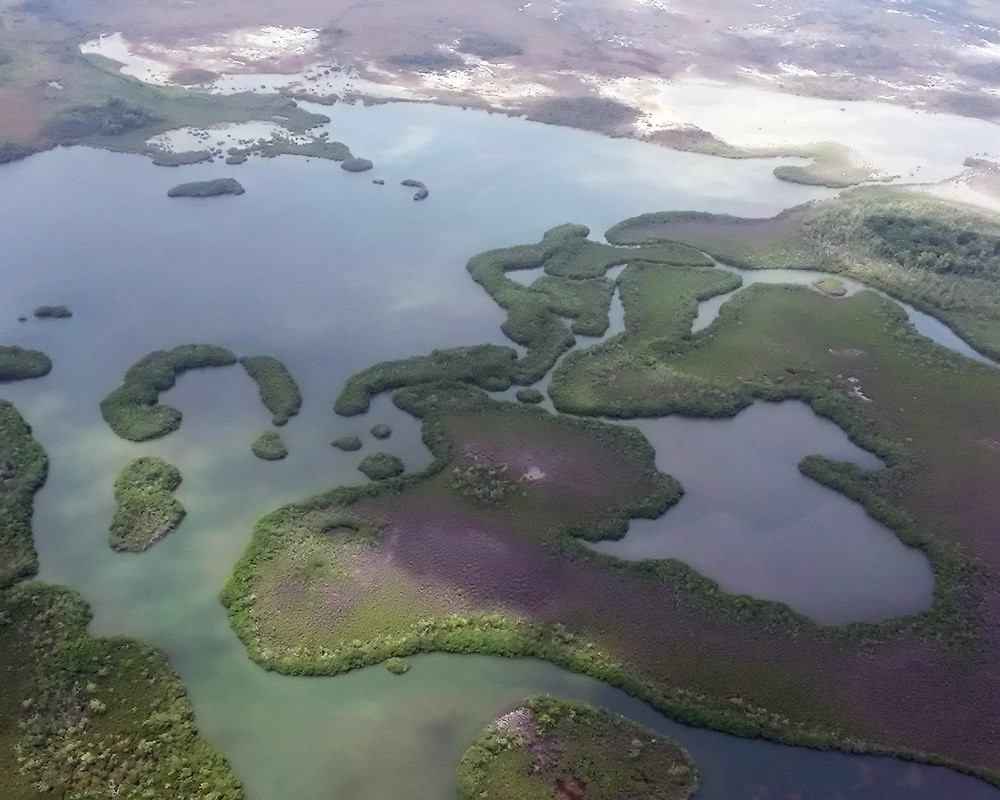
While traditionally, bacteria have been considered driving much of the Earth’s nitrogen (N) cycle, recent research shows that ecological interactions between meio-, macrofauna and bacteria are important in regulating N cycling in soft sediments. Thus, the INBALANCE Project aims to unveil the quantitative importance of ecological interactions between microorganisms and their benthic invertebrate hosts in regulating N cycling in shallow estuarine sediments. In particular, this project will investigate the identity and activity of bacteria associated with benthic invertebrate hosts, the most abundant functional group of meio- and macrofauna in estuarine systems, across the full range of possible interactions, from strict symbioses to casual associations.
Partners
Klaipeda University, Lithuania; Stockholm University, Sweden; Cawthron Institute, New Zealand; Università degli Studi di Parma, Italy; Stazione Zoologica Anton Dohrn, Italy.
Project Lifetime
2018 – 2021
SZN Role
Partner
SZN Principal Investigator
Ulisse Cardini
Project Coordinator
Mindaugas Zilius (Klaipeda University, Lithuania)
Funding Body
Research Council of Lithuania (LMT) under the European Social Funds (ESF) programme
Scadenza ore 12.00 del 15 giugno 2018
Curriculum Vitae Ferdinando Boero
Curriculum Vitae Roberto Danovaro
Chiarimenti n. 6 del 04.06.2018
Chiarimenti n. 5 del 30.05.2018
Chiarimenti n. 4 del 16.05.2018
Chiarimenti n. 3 del 30.04.2018
Chiarimenti n. 2 del 26.04.2018
Avviso Sopralluoghi (20.04.2018)
Chiarimenti n. 1 del 13.04.2018
Disciplinare di concorso
Modelli iscrizione
- Modello P
- Modello P1
- Modello P2
- Modello S
- Modello S1
Allegati tecnici
- SZN_CB_documento preliminare alla progettazione
- SZN_CB_dwg
- SZN_CB_impianti
- SZN_CB_Documentazione fotografica dello stato dei luoghi
Link Utili
Collezione storica SZN
Museo - Archivio - Biblioteca (MAB) - http://www.szn.it/index.php/it/ricerca/infrastrutture-di-ricerca-per-le-risorse-biologiche-marine/unita-museo-archivio-biblioteca-mab/museo-archivio-biblioteca-mab
Collezioni Zoologiche - http://193.205.231.138/ZooColl/HTML/index.php
An holistic understanding of seagrass functioning and resilience to local-scale disturbances: from molecular to biogeographical scales
Summary
The physiological and ecological performance of ‘ecosystem engineers’ (e.g. seagrasses, kelps, corals) change from local to biogeographical scales, in response to contemporary and past processes. Understanding the resilience of ‘ecosystem engineers’ is particularly essential, because the type and number of human-induced disturbances has dramatically increased and global climate change is concurrently imposing high stress levels. The elements that contribute to the resilience of ‘ecosystem engineers’ are majorly unknown, and, therefore, represent a major challenge for modern ecology. The purpose of this proposal is to empirically assess whether genetic diversity, physiological versatility and ecological stability and resilience of an ‘ecosystem engineer’ (here, the seagrass Cymodocea nodosa) are connected from local to biogeographical scales. The implications of this proposal are relevant from a conservation perspective; if this study demonstrates that the resilience of species changes across the species’ distribution range, then conservation policies should be adapted to different regions according to the species capacity to overcome disturbances.
SZN role
Participant Institution involved in the genetic characterization of Cymodocea nodosa populations, and in the assessment of gene expression in controlled conditions.
Principal Investigator
Gabriele Procaccini
Project coordinator
Fernando Tuya Cortés (Universidad De Las Palmas De Gran Canaria)
Project lifetime
2016-2018
Funding Institution
Ministerio de Economia y Competitividad - Spain
Partners
Universidad De Las Palmas De Gran Canaria, Spain; Universidad De Las Islas Baleares, Spain; Stazione Zoologica Anton Dohrn, Italy
ABBaCo - Restauro Ambientale e Balneabilità del SIN Bagnoli-Coroglio
Approccio ecosistemico alla pesca ed acquacoltura sostenibile
COCONET - Towards COast to COast NETworks of marine protected areas (from the shore to the high and deep sea), coupled with sea-based wind energy potential
EMBRIC- European Marine Biological Research Infrastructure Cluster
HEATGRASS - Tolerance to HEAT stress induced by climate change in the seaGRASS Posidonia oceanica
RECCAM - Seagrass Meadows resilience to global warming: an analysis based on responses at ecophysiological, population and ecosystem levels
Restauro Ambientale e Balneabilità del SIN Bagnoli-Coroglio
Summary
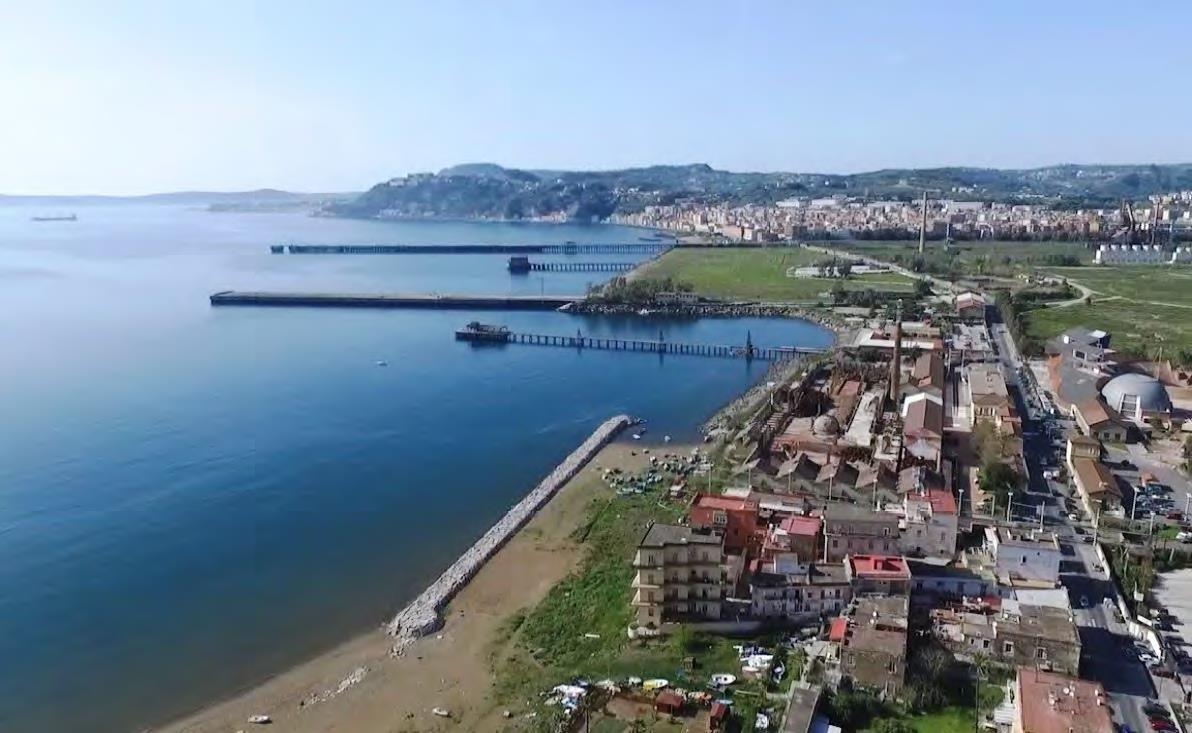
Dismissed industrial activities are responsible for persistent environmental degradation, mainly due to long-term accumulation of xenobitic contaminants in the environment. Such a chronic form of pollution represents a major threat for human health, biodiversity and ecosystem functioning. Necessary environmental remediation practices should however be coupled to restoration plans aiming at revert the degradation trend and give back healthy areas able to provide valuable ecosystem goods and services. Albeit fully integrated into the EU Restoration Agenda, marine environmental restoration is a new challenging issue in ecology, with Italy coordinating MERCES, the first European project in this field. The environmental restoration of Bagnoli-Coroglio Bay is a unique challenge at European level. ABBACO will develop new approaches for the removal and remediation of contaminated sediments and restoration of marine habitats. Actions include: i) identifying the environmental benchmark of the area; ii) assessing its present health status, iii) studying the effects of contaminated sediments on biodiversity and ecosystem functioning (MSFD), iv) assessing the combined effects of multiple stress at a hierarchical level; (v) experimenting innovative methods of transplantation and restoration of key species and habitats, and new biotechnological instruments for the remediation of sediments (bioremediation, bioaugmentation) in degraded habitats. ABBACO will provide novel expertise and stimulate new initiatives within the Blue Economy Agenda. The project results will be achieved by the actions of 6 intermingled work packages (WPs): WP1 Historic overview of the environmental status; WP2 Assessment of contamination and multiple environmental impact; WP3 Effects on biodiversity and ecosystem functioning; WP4 Holistic approach to the study of multiple stress and risk reduction; WP5 Pilot studies of restoration and rehabilitation; WP6 Evaluating the effects of restoration and rehabilitation procedures; WP0 Project management
What we do
We are coordinator of the project and play a key role in each of the 6 project’s WPs.
Partners
1) Stazione Zoologica Anton Dohrn, Napoli; 2) Istituto Superiore di Sanità (ISS); 3) Istituto Nazionale di Geofisica e Vulcanologia (INGV); 4-5) Consiglio Nazionale delle Ricerche (CNR-ISAC, CNR IAMC); 6) Agenzia Nazionale per le Nuove Tecnologie, l'Energia e lo Sviluppo Economico Sostenibile (ENEA); 7) Università Politecnica delle Marche; 8-9) Università degli Studi di Napoli Federico II (DiB, DICEA); 10) Università degli Studi della Campania “Luigi Vanvitelli”; 11) Università degli Studi di Napoli “Parthenope; 12) Consorzio Nazionale Interuniversitario per le Scienze del Mare (CoNISMa)
Research Area
Multidisciplinary Science
Project Lifetime
8th March 2017 to 7th March 2020
SZN Role
Coordinator
Principal Investigators
Luigi Musco, Vincenzo Saggiomo
Co-Principal Investigator
Lucia Rizzo
SZN people involved
Researchers: Bertocci I (WP4 co-leader), Bottaro M, Cardini U, Carotenuto Y, Castellano I, Costantini M, Crocetta F, D'Ambra I, Ferrante M, Hochscheid S, Locascio A, Marin Guirao L, Munari M, Pepi M, Rastelli E, Ristoratore F, Sansone C, Stefanni S, Zupo V
Experienced Researchers: Brunet C, Buia MC, Casotti R, Gambi MC, Iudicone D, Mazzocchi MG, Montresor M, Procaccini G (WP5 leader), Romano G, Sordino P, Spagnuolo A, Tosti E (WP4 co-leader)
Senior Researchers: Palumbo A, Ribera D’Alcalà M, Santella L, Zingone A (WP3 co-leader)
Associate Researchers: Badalamenti F, Vicinanza D, Vega Fernàndez T (WP1 leader)
Technologists: Conversano F, Margiotta F (WP3 co-leader), Patti FP, Sarno D, Terlizzi F, Toscano A, Saggiomo M
Experienced Technologists: Cirino P
Technicians: Cannavacciuolo M, Di Capua I, Lanzotti G, Passarelli A, Zazo G
Post doc: Gallo A, Guglielmo S, Morroni L (many others to be involved soon)
PhD Students: Dell’Anno F
Funding Institution
MIUR - Fondo Integrativo Speciale per la Ricerca (determina CIPE - GU n.56 8.3.2017)
Contribution to SZN: €2,000,000 (MIUR contribution) plus €1,700,000 (SZN co-financing contribution)


Copyright © 2015 by Stazione Zoologica Anton Dohrn Napoli - Italy
Villa Comunale, 80121 Napoli - Tel.+39 081 5833111 - C.F./P.IVA : IT 04894530635 - PEC: ufficio.protocollo(at)cert.szn.it