

 Tenders and Job OpportunitiesJob callsScholarships and research fellowshipsOpen CallsENGLISHPages
Pages
EMBRC-IT Joint Research Unit (JRU)
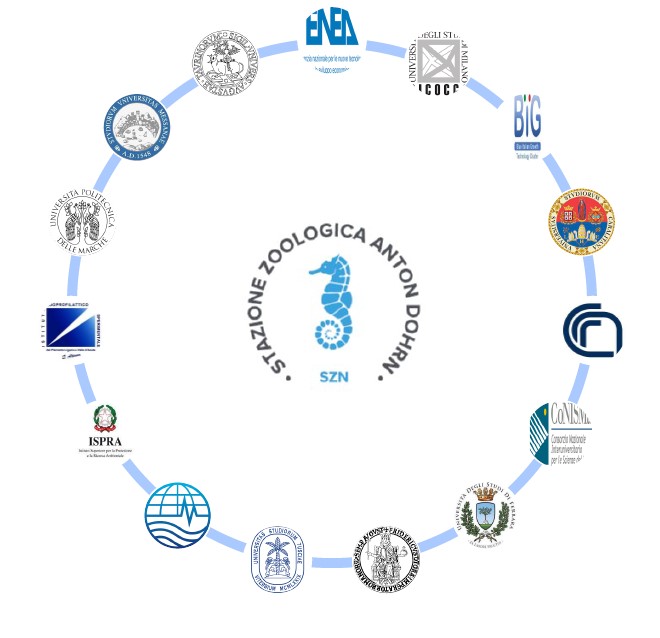
The Italian Node of the European Marine Biological Resource Centre (EMBRC-IT) was constituted on 05/10/2021 as a JRU (Joint Research Unit), including a total of 16 partners (SZN, CONISMA, CNR, OGS, CTN-BIG, IZSPLV, ENEA, ISPRA, UNITUS, UNICA, UNIFE, UNIME UNIMIB UNINA UNITO, UNIVPM) with SZN as its coordinator and representative institute in EMBRC-ERIC.
The Italian JRU was established according to the principles of complementarity and synergy of the partners regarding the development of new collaborative research projects and research services and in order to strengthen scientific research and foster human and infrastructure resources exchange in the field of blue growth.
The JRU agreement has set itself the following objectives:
Strategic Agenda
• Valorisation of the resources and skills of each of the Parties through their coordinated organization and best practices sharing;
• Coordination of national activities within EMBRC–ERIC and provide support to the MUR and other Ministries in organizing the Italian membership in EMBRC–ERIC and in defining strategic research agendas and roadmaps related to sustainable blue growth;
• Strengthening of Italian scientific research in the field of marine biology and promote training, scientific dissemination and communication in this area;
• Promotion of technology transfer and new relationships with national companies;
• Design and organization of pilot actions and projects, demonstrating the peculiarity and value of the Italian contribution to EMBRC–ERIC;
• Conduction of joint activities aimed at consolidating, strengthening and expanding the EMBRC-ERIC Research Infrastructure and its impact in terms of science and innovation, with particular attention to the spill overs at the national level, also by participating jointly or individually in funding programs of the Research.
Public-public and public-private collaborations
• Coordination of an up-to-date National Index of scientific services for the «blue» community
• National services catalogue opened to EU Projects and Transnational Accesses
• Single access point: marketing at national and EU level
• Support to efficient and coordinated technology transfer
• Shared management of orders via the Node capacity
• Improved opportunity for scientific interactions, co-authorship and for interdisciplinary collaborations
• Favourable access conditions for associate partner
Improved fundraising capacity
• HE: Participation in EU projects as individual members of EMBRC-IT that can involve the other members of the JRU and EMBRC-IT itself as Affiliated Entity
• PNRR (NextGenerationEU): Strengthening and improvement of operative units (OU) of EMBRC-IT partners
• H2020: Access to EU-IR grants
• PON 2007-2013: Action on «Potenziamento strutturale»
• POR 2014-20: Action on «access to H2020 EU projects»
EMBRC-IT Partners
• Stazione Zoologica di Napoli Anton Dohrn (SZN) – Italian Node Coordinator
• Cluster Tecnologico Nazionale “Blue Italian Growth”(CTN-BIG)
• Consorzio Interuniversitario per le Scienze del Mare (CoNISMa)
• Istituto Nazionale di Oceanografia e Geofisica Sperimentale (OGS)
• Istituto Zooprofilattico Sperimentale di Piemonte, Liguria e Valle d’Aosta (IZSPLV)
• Università di Cagliari (UNICA)
• Università di Ferrara (UNIFE)
• Università di Messina (UNIME)
• Università di Milano-Bicocca (UNIMIB)
• Università di Napoli Federico II (UNINA)
• Università di Torino (UNITO)
• Università della Tuscia (UNITUS)
• Università Politecnica delle Marche (UNIVPM)
• Istituto Superiore per la Protezione e la Ricerca Ambientale (ISPRA)
• Consiglio Nazionale delle Ricerche (CNR)
• Agenzia nazionale per le nuove tecnologie, l’energia e lo sviluppo economico sostenibile (ENEA)
Summary
EMBRC-IT will offer opportunities for the Italian marine research and technological development community at large because:
• The JRU supports and reinforces the cohesion of the Italian Marine Research Community,
• It fosters a higher visibility of this community at the National (MIUR) and International (EU) level,
• It links marine biological resources to innovation, supporting cooperation with universities, research organizations and industries
• It creates critical mass, capable to interact with, and advise, policy makers
The result of its common effort will be more than the sum of the capacity of each.
Contact information
Node Director: Donatella de Pascale
Liaison Officer: Pasquale De Luca
JRU Manager: Giorgio Maria Vingiani
Ecological Modelling Laboratory (LEM)
Coordinator: Daniele Iudicone
Activities
The aim of the laboratory is to support the study of the ecology of marine plankton and of the ocean physics that is relevant for the plankton ecology. The laboratory of ecological modeling has as main activity the preparation and realization of numerical simulations of the ocean circulation at microscale (DNS), mesoscale (ROMS) and at global scale (NEMO) and of the associated plankton dynamics. The activities are integrated with statistical analysis of environmental (physicochemical) data, ecological (populations) data and biological (metagenomics, functional parameters) data.
Experimental systems
- In-house configurations of numerical codes for simulating the ocean circulation, the fluid dynamics at the microscale (turbulence) and the impact on microorganisms.
- In-house configurations of numerical codes for simulating planktonic populations at different levels of complexity.
- Turbulence Profiler.
- Devices for the production of marine turbulence in lab (TurboGen).
Analysis
- Analysis of the variability of the ocean physics (including thermodynamics) and biochemistry at various spatial and temporal scales at basin and sub-basin scales.
- Statistical analysis of environmental data and ecological.
- Water mass thermodynamic budgets.
Instrumentation
- Servers and computers for numerical simulations.
- Software for data analysis.
- Software for the simulation of the physics and biology of marine organisms (produced in-house or by external collaborators).


Plankton Ecology Laboratory
Head: Marina Montresor
Activities
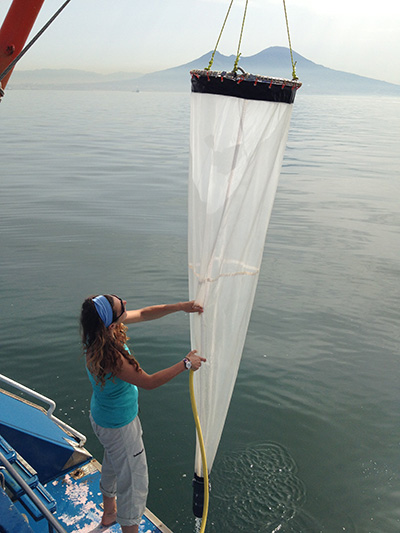
The lab contains equipment and infrastructure used for the study of the functional and taxonomic diversity of marine plankton. In particular, in this laboratory analyses are carried out on the taxonomic and molecular diversity of plankton samples collected at the Long Term Ecological Research site MareChiara in the Gulf of Naples as well as elsewhere, in the frame of participation in regional and global projects. Experimental approaches focus on the physiology and life cycles of marine microalgae and on the feeding behaviour of zooplankton.
Systems for experimentation
- Light- and temperature-controlled walk-in incubator and incubators of different volume for in vivo experiments with phyto- and zooplankton.
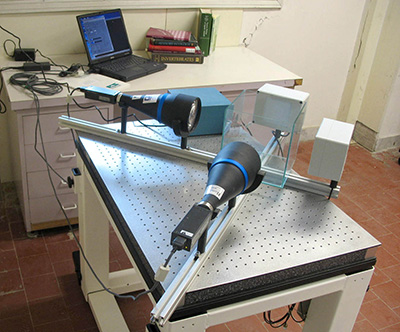
- Optical system for video footage of zooplankton organisms.
- Plankton wheel for experimentation with phyto-, micro- and mesozooplankton.
Analysis
- Quantitative analysis of marine phytoplankton and zooplankton.
- Preparation of phytoplankton cultures and their morphological and molecular characterization.
- Phylogenetic analysis.
- "Metabarcode" analysis of marine plankton with Next Generation Sequencing approaches.
Instrumentation
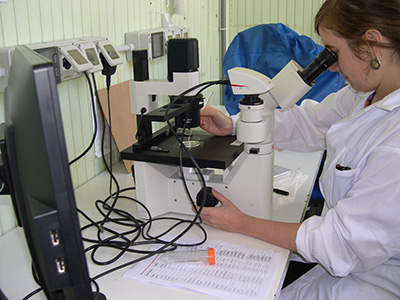
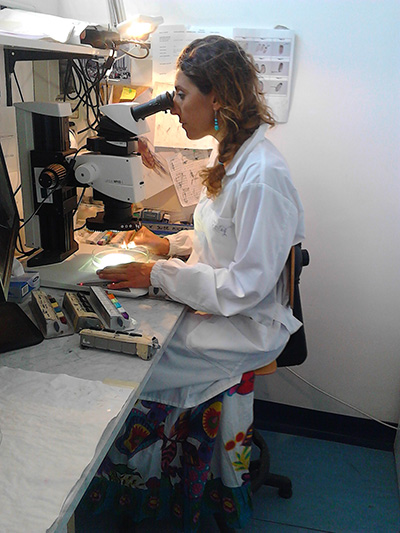
- Stereoscopes and optical microscopes
- Microscope with epifluorescence illumination and digital cameras to take photographs and movies.
- Zooscan with related software.
- Camera System for video-registration of zooplankton movement.
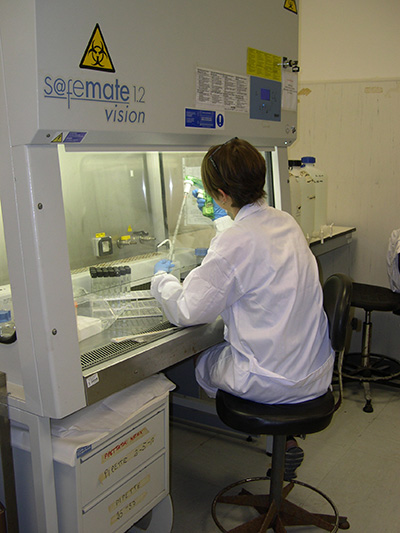
- Area equipped for the isolation of cultures and experimentation (laminar flow hood, microscopes for cell isolation, fluorimeter).
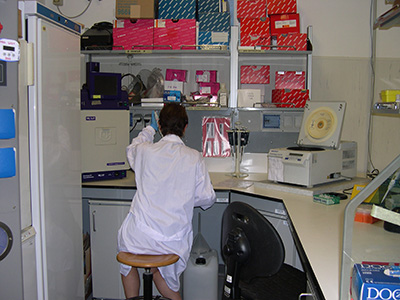
- Molecular Laboratory equipped for DNA extraction, PCR, DNA electrophoresis, preparation for NGS sequencing.



Research projects
ABBaCo - Restauro Ambientale e Balneabilità del SIN Bagnoli-Coroglio
DIsCO - Diatom life cycles, molecular controls and contribution to ecosystem dynamics
EMSO MedIT - Project financed in the framework of PON R&C 2007-2013 - PAC Enhancement of public research infrastructures
GRASSMET - Climate change effects on seagrass secondary metabolism: ecological implications
HEATGRASS - Tolerance to HEAT stress induced by climate change in the seaGRASS Posidonia oceanica
HighGrass - High-CO2 effects on seagrass photosynthetic ecophysiology
INBALANCE - INvertebrate-BActeriaL Associations as hotspots of benthic Nitrogen Cycling in Estuarine ecosystems
IRMA - Implementation and Remote Connection for Real Time Moniotoring of Marine Microorganisms - Funded by the Italian Ministry of University and Education (MIUR)
PALEOPARK - Seagrass palaeo-records as a tool for the evaluation, diagnosis and prognosis of the evolution of species, communities, and processes in Spanish insular National Parks
RECCAM - Seagrass Meadows resilience to global warming: an analysis based on responses at ecophysiological, population and ecosystem levels
PON01_02093 Study of new technologies and technological platforms for the improvement of production processes of active pharmaceutical ingredients of industrial interest and search for new bioactive molecules from natural sources
Leader: Sanofi-Aventis S.p.A.
PON01_02782 New nanotechnological strategies for the development of drugs and diagnostic tools directed to circulating cancer cells (CTC).
Leader: Biogem S.c.a r.l
PON01_00117 Antigens and Adjuvants for Vaccines and Immunotherapy.
Leader: Novartis Vaccines & Diagnostics Ltd.
RESIGRASS - An holistic understanding of seagrass functioning and resilience to local-scale disturbances: from molecular to biogeographical scales
S&T MED - Financed by the ENPI CBC Mediterranean Sea Basin 2007/2013 Program of the European Union
Research projects
PROJECTS 2026
TERRATWIN: 7 Dimensions Digital Twin of the complex interplay between the climate, marine and land biodiversity including social-economic factors
PI: STEFANNI SERGIO (Partner)
European Project
01/01/2026 - 31/12/2028
Other BEOM Partners: Locatello, Modica, Leone
PROJECTS 2024-2025
Ocean-Robocto: Unveiling Octopus CollaborativE hunting with fish through ANimal-ROBOt interaCTiOns
PI: Piero Amodio (Coordinator)
Extra-European Project
01/05/2024 - 30/04/2026
Other BEOM Partners: NO
COSMIC: COntrolled Space MIcroecological system supporting eCopoiesis
PI: Piero Amodio (Partner)
National Project
12/10/2023 - 28/02/2026
Other BEOM Partners: NO
ZooCELL: The evolution of cellular phenotypes in animal diversity: multidisciplinary training in 3D cellular reconstruction, multimodal data analysis and science outreach
PI: ARNONE MARIA IMMACOLATA (Partner)
European Project
01/01/2024 - 31/12/2027
Other BEOM Partners: NO
GRAIL: Golgi Ribbon Architecture in Development and Differentiation
PI: ARNONE MARIA IMMACOLATA (Coordinator)
National Project
28/09/2023 - 27/09/2025
Other BEOM Partners: Ferraro, Benvenuto, Ristoratore
NeuroEvoFun: Dissecting the neurosecretory brain-gut axis function and evolution: from regulome and cell identity to cellular crosstalk
PI: ARNONE MARIA IMMACOLATA (Coordinator)
National Project
01/03/2026
Other BEOM Partners: Annunziata, Benvenuto, S. D'Aniello
SEASIGHT: From the sea for the sight: Identification of novel rna molecules to tackle retinal diseases
PI: SABRINA CARRELLA (Coordinator)
National Project
01/08/2024 - 31/10/2025
Other BEOM Partners: S. D'Aniello, Mirra
MITO SEAS: Mitochondrial Dynamic Modulators from the Seas
PI: SABRINA CARRELLA (Coordinator)
National Project
01/10/2023 - 28/02/2026
Other BEOM Partners: NO
Development of an innovative combinatorial therapy to tackle age-related macular degeneration
PI: SABRINA CARRELLA (Partner)
National Project
01/12/2023 - 28/02/2026
Other BEOM Partners: NO
MITOXYMIRs: OxymiRs modulation as gene-independent therapeutic approach in rare mitochondrial diseases
PI: SABRINA CARRELLA (Coordinator)
European Project
10/10/2023 - 30/09/2025
Other BEOM Partners: NO
OxymiRs modulation as gene-independent therapeutic approach in primary mitochondrial diseases -Access to Services
Euro-BioImaging SEELIFE (European)
2025
OxymiRs modulation effect on in vitro model of Aged-macular degeneration (AMD) - Access to Services
PI: CARRELLA SABRINA
Human Technopole National Facility Access (National)
2025
Unraveling Sex Determination in Bivalves: An Integrative Single-Cell Analysis during the Early Embryo Development of Mytilus galloprovincialis
PI: ENRICO D’ANIELLO (Partner)
National Project
28/09/2023 - 28/02/2026
Other BEOM Partners: NO
Functional and molecular characterization of the circadian clock in the Antarctic key species Euphausia superba
PI: D'ANIELLO SALVATORE (Partner)
National Project
06/11/2024 - 01/09/2026
Other BEOM Partners: NO
MICRO REPRO: Impact of microplastics and associated contaminants on reproduction and development: a comparative and multidisciplinary study on mechanisms of action and protective strategies
PI: ALESSANDRA GALLO (Partner)
National Project
22/03/2022 - 22/03/2025
Other BEOM Partners: Locatello, Locascio
IMPAVID: Exploring the IMpact of gene Presence-Absence VarIation on mussel reproDuctive fitness and larval survival
PI: ALESSANDRA GALLO (Partner)
National Project
05/10/2023 - 28/02/2026
Other BEOM Partners: NO
NuForSpe: New nutraceutical formulations to improve sperm quality in different animal species
PI: ALESSANDRA GALLO (Partner)
National Project
01/12/2023 - 28/02/2026
Other BEOM Partners: NO
SECRETS: Secreted compounds in Echinoderms chemical communication
PI: LEONE SERENA (Coordinator)
National Project
01/12/2023 - 28/02/2026
Other BEOM Partners: NO
NeuroMITilus: Unraveling the role of mitochondria in coping with Hypoxia/Reoxygenation stress in Mytilus galloprovincialis nervous system - Access to Services
PI: SERENA MIRRA (Partner)
Euro-BioImaging SEELIFE (European)
2025
BIODIVERSITY2DRUGS (B2D): Peptide Biodiversity: Advancing Human Health Through Nature's Pharmacological Treasures
PI: MODICA MARIA VITTORIA (Partner)
European Project
01/04/2025 - 31/03/2028
Other BEOM Partners: Leone, Ponte, Locatello
DEEPVEN: Deep venoms: characterization, evolution and biotechnological potential of mesophotic corals venom from Calabria
PI: MODICA MARIA VITTORIA (Coordinator)
National Project
01/01/2021 - 30/09/2024
Other BEOM Partners: Ferraro, Leone, Ponte
SEDNA-Pp: Whales as ecosystem sentinels: climate-induced changes on migration and feeding behavior in a pristine habitat model
PI: MODICA MARIA VITTORIA (Partner)
National Project
05/10/2023 - 28/02/2026
Other BEOM Partners: Stefanni
TRADE: TRophic Adaptation and plasticity Drivers in marine Ecosystems
PI: MODICA MARIA VITTORIA (Coordinator)
National Project
01/12/2023 - 28/02/2026
Other BEOM Partners: Locatello
EUVEN: European Venom Network (COST ACTION)
PI: MODICA MARIA VITTORIA (Coordinator)
European Project
01/11/2023 - 31/10/2024
Other BEOM Partners: Leone
VENOVATE: A Venom-Based Discovery Pipeline for Innovation, Medicine and Sustainable Commercialization (COST Innovators Grant)
PI: MODICA MARIA VITTORIA (Partner)
European Project
01/11/2025 - 31/10/2026
Other BEOM Partners: NO
SEANERGIES SBEP II: Cell-cultured octopus production through sustainable marine biomass valorization
PI: PONTE GIOVANNA (Partner)
European Project
31/08/2025 - 30/08/2028
Other BEOM Partners: NO
FIASCO: Illuminating range shifts through evolutionary FIASCO: contrasting FaIling And Successful ColOnizations in replicated wild populations
PI: RAFFINI FRANCESCA (Coordinator)
National Project
01/12/2023 - 28/02/2026
Other BEOM Partners: NO
GENOA: Genetic Nature Observation and Action (COST ACTION)
PI: RAFFINI FRANCESCA (Partner)
European Project
4/10/2024 - 03/10/2028
Other BEOM Partners: NO
DeuteroNoise: Characterization of maritime noise in different european basins and its impact on ecological relevant deuterostome invertebrates
PI: RISTORATORE FILOMENA (Partner)
European Project
01/12/2022 - 31/05/2026
Other BEOM Partners: NO
PhyloPycno2: Phylogenomics of sea spiders and evolution of arthropods r-opsins
PI: SABROUX ROMAIN (Coordinator)
National Project
22/05/2025 - 21/05/2028
Other BEOM Partners: S. D'Aniello
EuFish European: European fisheries enhancement through "Omic" characterization and innovative seafood production from underutilised fish species
PI: SORDINO PAOLO (Partner)
National Project
14/11/2022 - 13/11/2026
Other BEOM Partners: Romeo
DIGI4ECO: Digital Twin-sustained 4D ecological monitoring of restoration in fishery depleted areas
PI: STEFANNI SERGIO (Partner)
European Project
01/03/2024 - 28/02/2028
Other BEOM Partners: Locatello
EARTH CRUISERS: EARTH’s CRUst Imagery for investigating SEismicity, volcanism and marine natural Resources in the Sicilian offshore
PI: STEFANNI SERGIO (Partner)
National Project
01/06/2018 - 16/05/2022
Other BEOM Partners: NO
D4BLOND: Drone for Biodiversity assessment with imaging, fLow cytOmetry aNd eDNA
PI: STEFANNI SERGIO (Coordinator)
National Project
01/05/2024 - 30/09/2025
Other BEOM Partners: NO
SeNSOR: Smart eDNA/eRNA bioSampler for studying seasOnal biodiveRsity on the Amendolara Seamount
PI: STEFANNI SERGIO (Coordinator)
National Project
01/01/2021 - 14/10/2024
Other BEOM Partners: NO
NEMERTE: NEuroactive MEtabolites and plastics: Re-evaluations Trough a model Elasmobranch
PI: TERZIBASI TOZZINI EVA (Coordinator)
National Project
11/09/2024 - 10/12/2025
Other BEOM Partners: Sirakov, Raffini
SHARKAGE: Evolution of longevity in sharks
PI: TERZIBASI TOZZINI EVA (Partner)
National Project
05/10/2023 - 28/02/2026
Other BEOM Partners: NO
NONOSENS: The NONO killifish Aphanius fasciatus as ecophysiological SENtinel of vulnerable coastal habitatS
PI: TERZIBASI TOZZINI EVA (Coordinator)
National Project
01/12/2023 - 28/02/2026
Other BEOM Partners: Sirakov, Sordino
Ischia Marine Centre (IMC)
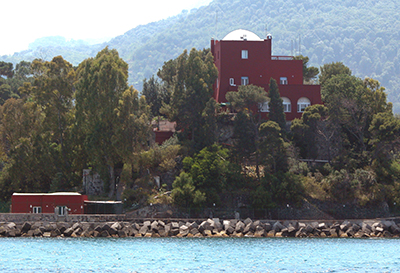 The Ischia Marine Center (IMC) is an interdepartmental center located on the Island of Ischia., The research focus of the IMC is on vulnerability assessment of marine coastal ecosystems and organisms through an integrated approach, highlighting the interactions between anthropogenic activities and climate change, with applications to environmental protection, outreach, and restoration actions. The aim of IMC research activities is to facilitate cooperative research between internal and external researchers, interdisciplinary collaborations, and interactions with public and private stakeholders.
IMC main lines of research include:
1) Benthos ecology: the study of the effects of global changes on biodiversity, plant-animal interaction, and the microbiome associated with marine species.
2) Ecophysiology and biotechnology: the morpho-functional study of coastal communities associated with seagrasses and chemical ecology, also through cultivationof model organisms and research of new biotechnologies.
3) Fisheries oceanography: the study of fish eggs and larvae to understand the variations in abundance and distribution of fish populations related to regional oceanographic factors and global change in climate.
4) Taxonomy of marine organisms: the Marine Organisms Taxonomy Unit (MOTax) at the IMC focuses on the analysis of the benthic communities (sorting, LPT identification, analysis of ecological data).
The IMC is organized into three structures with two functional areas:
 Villa Dohrn, historical site, built in 1906 as the private residence of the Dohrn family. In 1969 the building became the Benthos Ecology Laboratory. Villa Dohrn is currently undergoing a major renovation and repurposing project, to become the new "Research Center for Adaptation of Marine Ecosystems to Climate Change".
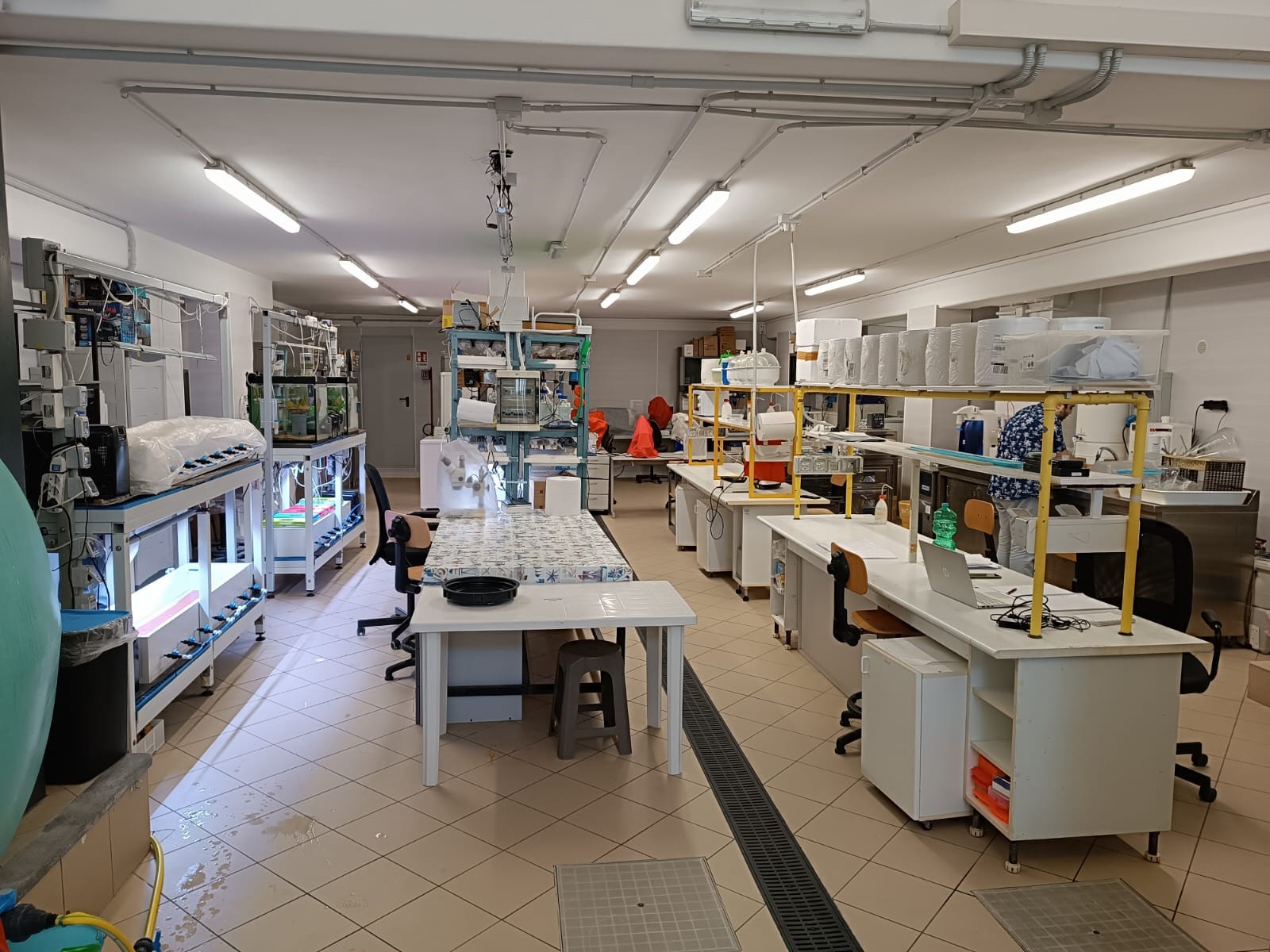 MEDAS Center (Marine Ecological Data Analysis and Synthesis), with the aim of analyzing existing information to address the pressing questions and needs, including economic ones, in the context of Blue Growth. At the momentMEDAS is the operational headquarters of the IMC and the Ecology Functional Area of the Benthos/Nekton for the entire EMI Department of the SZN.
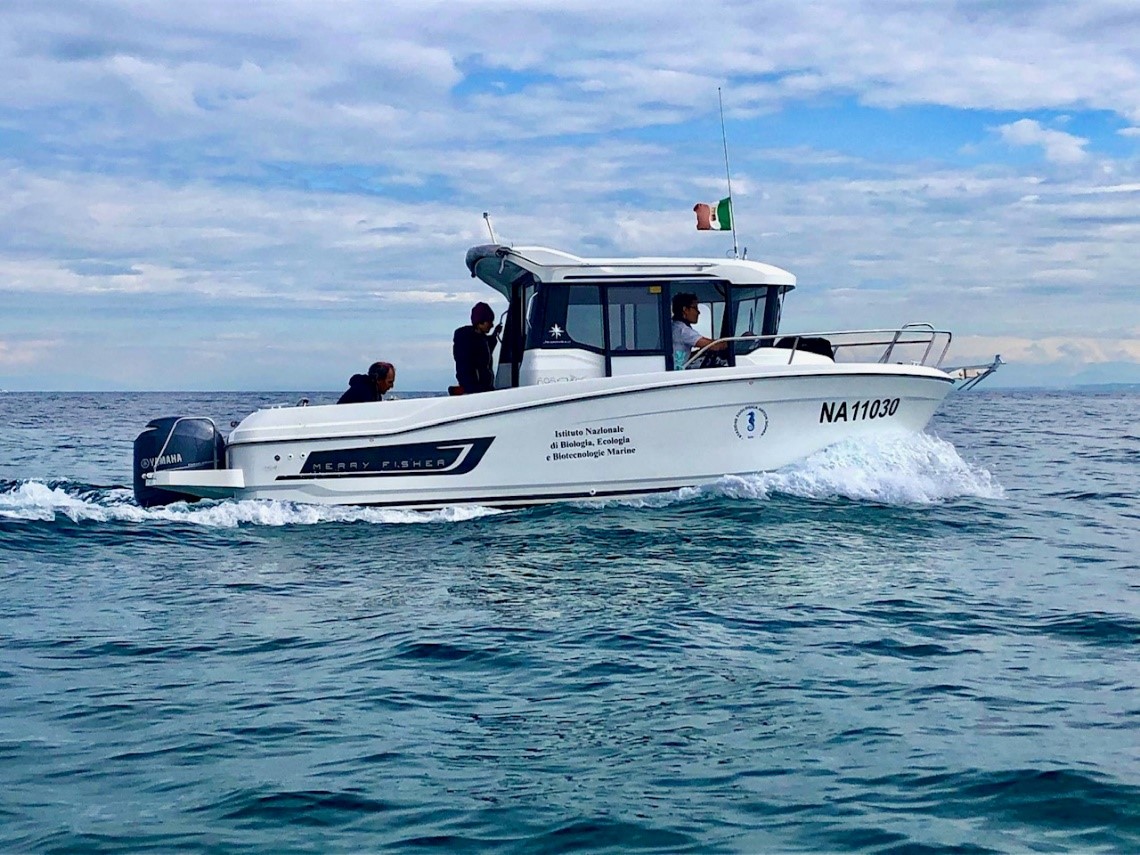
Diving Centre, that oversees scientific diving to support research activities at sea, with Functional Area Diving Center Ischia, located near the mooring of the SZN vessel Beagle Junior, operated by the IMC.
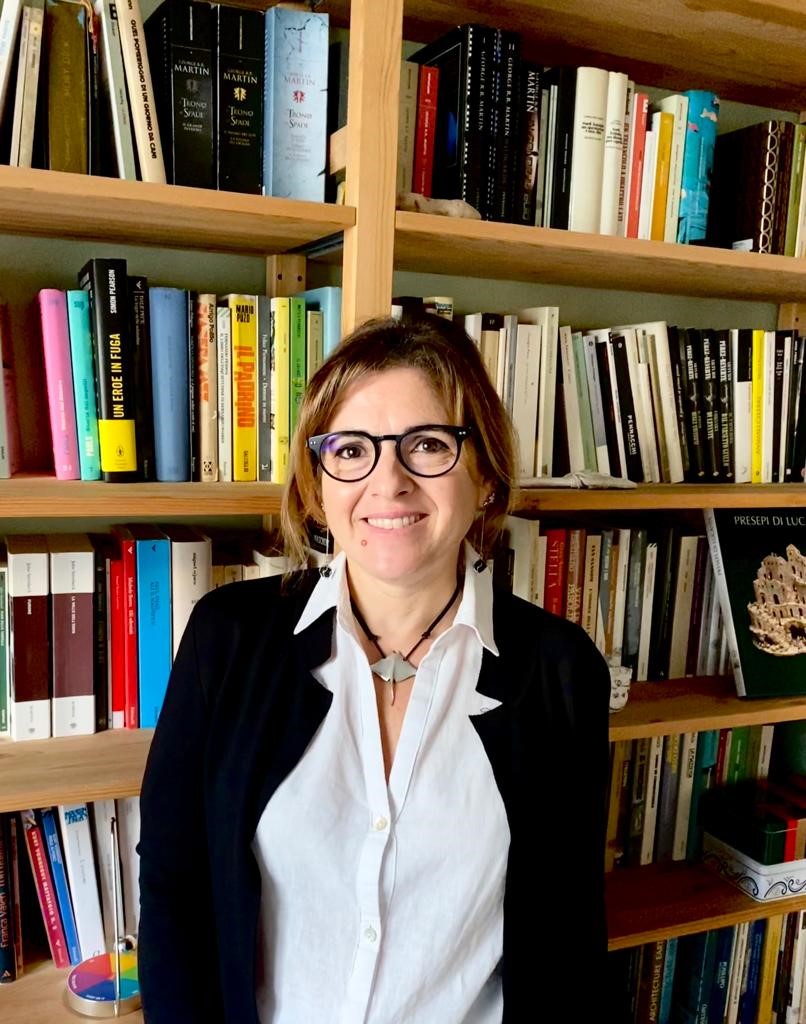
CoordinatorMaria Cristina Vigo Majello |
 |
Personnel
Coordinator
Maria Cristina Vigo Majello
Administration
Messina Rosanna
Patti Francesco
Senior Researcher
Ciannelli Lorenzo
Teixidó Núria
Zupo Valerio
Researcher
Mazzella Valerio
Technologist
Lorenti Maurizio
Technician
Chiarore Antonia
Guglielmo Rosanna
Iacono Bruno
Mirasole Alice
Rando Vincenzo
Scholarship
Italiano Anna
PhD student
Liguori Gianluca
Nannini Matteo
Somma Emanuele
Agreements with Universities, Research Institutions and Private Companies
ABBACO SZN - Università degli Studi di Napoli Federico II
ABBACO SZN - Università degli Studi di Napoli "Parthenope"
ABBACO SZN - Università degli Studi della Campania "Luigi Vanvitelli"
Darwin-Dohrn Museum
 For more information and to book a visit: https://fondazionedohrn.it/home/dadom/
The Darwin-Dohrn Museum
Dedicated to the two giants of science and evolutionary biology, Charles Darwin and Anton Dohrn, the Darwin-Dohrn Museum - DaDoM – promotes the knowledge of the evolution of marine biodiversity.
Inside the DaDoM, visitors will voyage through the oceans through time in the footsteps of Darwin and Dohrn and many other scientists, discovering how organisms became adapted to all marine environments. In this journey through time and research, the public will understand the importance of the oceans in determining the conditions on the planet, will encounter the primordial forms of life that appeared in the oceans over 3 billion years ago, will discover evolutionary theories, and will encounter a series of fossils that show the evolution of forms and functions over the geological eras (walk through time).
Works of art, sculptures and historical biological samples will show how marine organisms move, feed, and reproduce, and the mechanisms that led to current life forms, in a gallery of biodiversity, from the simplest to the most complex organisms, to arrive at the multipurpose room of the DaDoM, housing a large skeleton of a sperm whale (beached along the Campania coasts and recovered by researchers), enriched by models of organisms that feed on the carcasses of these majestic giants of the sea when they arrive in the depths of the sea. The multipurpose room is dominated by a six-meter high wall that houses ten thousand preparations of animals from the Gulf of Naples, set up by the genius of Salvatore Lo Bianco and by those who followed his footsteps in the art of conservation.
The multipurpose room is designed to host thematic exhibits to explore topics of great scientific and popular interest, but also for scientific conferences and seminars, and is available to the cultural world for other initiatives of public interest, such as shows, concerts, exhibitions and film broadcasts. The museum itinerary also includes a journey through the studies and ancient maps of the Gulf of Naples, the discoveries of the over 20 Nobel laureates who conducted their studies in the SZN, up to the current research updated and exhibited month by month.
The Museum includes a large educational laboratory for students of all types and levels designed to carry out practical observation and study activities aimed at discovering the secrets of marine life. The upper floor of the building includes the staff offices, laboratories and organizations hosted by the Center. The Anton Dohrn Zoological Station has returned to the citizens of Naples, Campania and the whole country an asset of the city in its full fruition. This objective will also be extended to the outside of the building, making the garden of the Museum a place of knowledge in the open air. In fact, the garden hosts two scientific submersibles made available by the MareAmico Cultural Association and which have also been used for the exploration of the deep sea environments of the Mediterranean.
Depending on specific needs, the rear lawn or the roof terrace will finally host an open-air summer cinema for documentaries on the sea and for an international competition on scientific cinema and marine documentaries.
Scientific, Educational and Cultural Center in the heart of the city
With the aim of strengthening the so-called "third mission", i.e. the activities of dissemination of scientific discoveries, as well as the opening of research facilities to citizens, with their direct involvement, the Darwin-Dohrn Museum offers opportunities for scientific and educational collaborations, training of teachers and specialists in the sector, educational workshops, cultural meetings, and guided tours for citizens and tourists.
The Museum was inaugurated on December 9, 2021 but its layout will be continuously enriched with new material and new initiatives.
The history
 Book your visit on fondazionedohrn.it
The first public aquarium in Italy
Entering the historic public Aquarium of Naples, the oldest still functioning, designed to show the ecosystems and biodiversity of the Gulf of Naples and more generally of the Mediterranean and their possible evolution in relation to changes, means crossing the threshold of time and diving in the dream of its founder, the zoologist Anton Dohrn, to provide and disseminate knowledge of the underwater world.
The Aquarium, in fact, was inaugurated in 1874 only two years after the foundation of the Zoological Station itself, "the great hotel of scientists", as Benedetto Croce defined it, which took place in March 1872, to fulfill the triple function of live observation of the sea, entertainment and research funding.
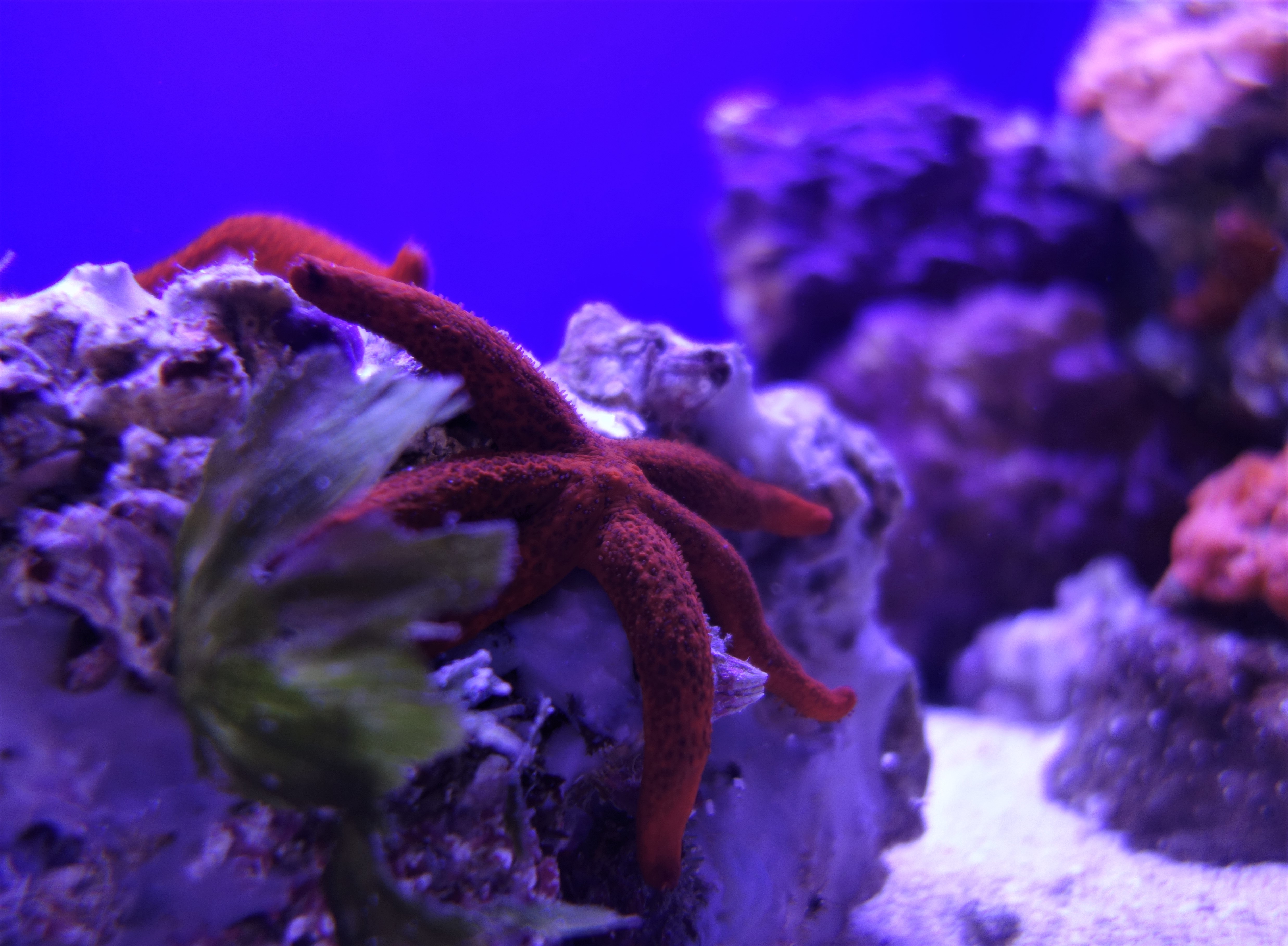 Flora and fauna of the Gulf of Naples
Students, scientists and researchers from all over the world came to Naples to analyze and study animals live and in their natural environment. Just a few steps were enough to leave your rented study table, equipped with a very rich instrumentation, to find yourself face to face with the subject of your own research, living or "fixed" by the skilled hands of the conservators of the Stazione Zoologica, first of all Salvatore Lo Bianco.
Located on the ground floor, the Aquarium was connected, and still is today, directly to the sea by an underground channel. The engineering work was entrusted to the English William Alford Lloyd, who had already developed the aquariums in London and Hamburg. The exhibition rooms received natural light from the side windows and skylights and the semi-darkness thus generated made the visit even more immersive.
Today the architectural layout has remained unchanged. The restoration and necessary modernization works, have allowed the maintenance of the ancient exhibition tanks dedicated to the environments of the Gulf of Naples and the peculiarities of its marine life, equipping them with the most modern and sophisticated technological systems to ensure the well-being of the organisms that populate it. At the same time it shows a great novelty, represented by the large central tanks hosting the tropical coral reef, the vision of a possible change in the Mediterranean induced by environmental changes.
Discovering the Aquarium
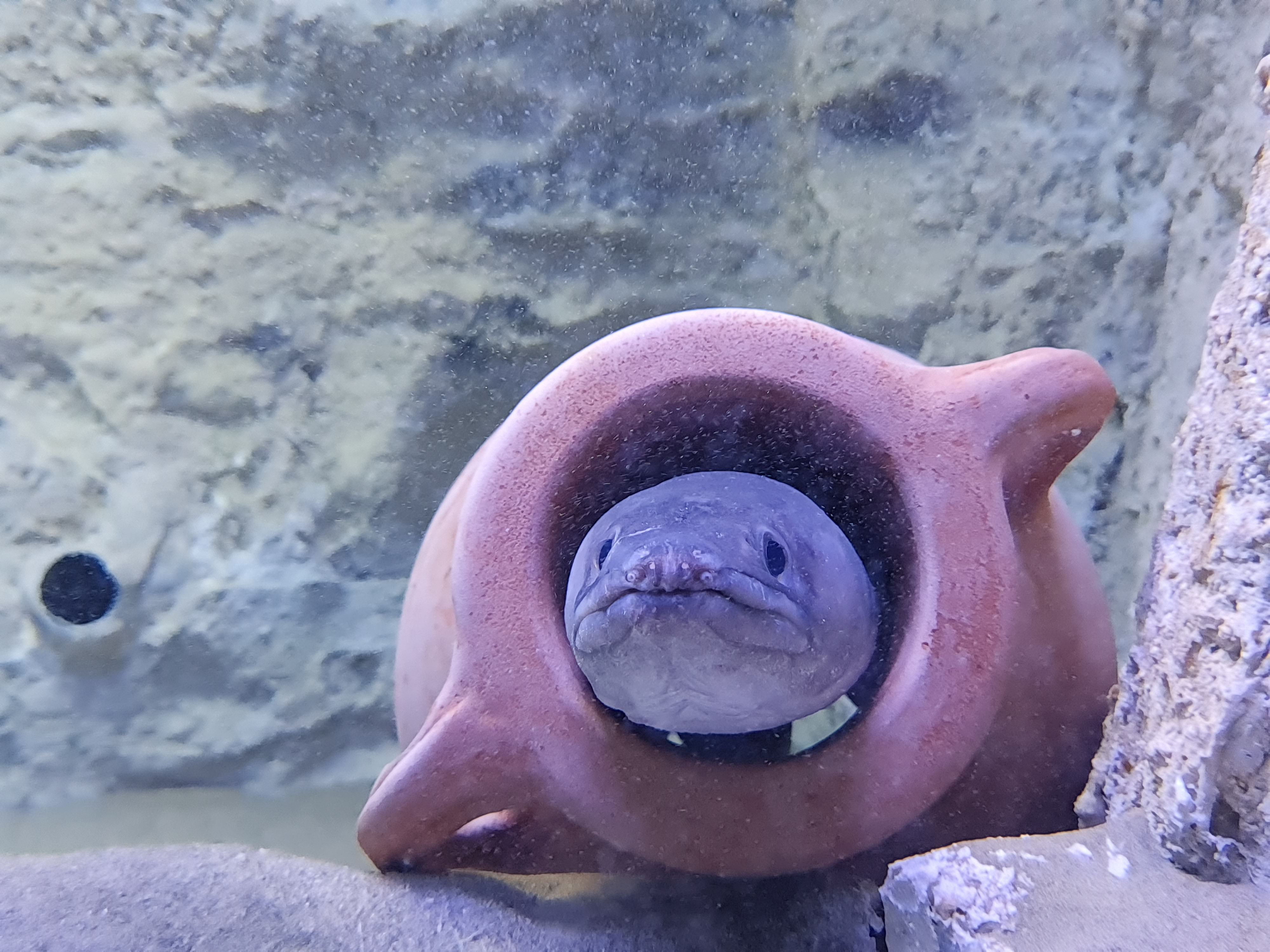 The journey inside the Aquarium will then lead the visitors to discover the sea, from the coast to the open sea, between caves and ravines, along seagrass meadows, passing from the coralligenous to the abyss, from the pelagic environment, also inhabited by alien species, from Mediterranean reefs to tropical formations. Of particular interest will be the murenarium, which represents the breeding structures of moray eels (murenari) designed by the ancient Romans and well preserved in the submerged archaeological area of Gaiola in Capo Posillipo. Another novelty is the octopus tank, an extraordinary ancient organism that has a life cycle of about two years and an intelligence similar to that of mammals.
The knowledge of the richness of the sea and of the biodiversity it contains, as well as of all its wonders, must lead each of us to the awareness of its importance for our very survival. To protect it and manage it in an eco-sustainable way, we need to know it and even today our knowledge is not complete.
Dohrn's dream has never ceased, the scientific and cultural climate of his Stazione Zoologica, currently the National Institute of Marine Biology, Ecology and Biotechnology, considered in an international ranking among the best 20 Scientific Research Institutes in the world, has reached us and allows us to look at life and the mysteries of the underwater world with open eyes.
How to associate
Please download the form for the request of Assocation to the Stazione Zoologica Anton Dohrn of Naples


Copyright © 2015 by Stazione Zoologica Anton Dohrn Napoli - Italy
Villa Comunale, 80121 Napoli - Tel.+39 081 5833111 - C.F./P.IVA : IT 04894530635 - PEC: ufficio.protocollo(at)cert.szn.it