

 NewsNewsConcorso di idee a procedura aperta per l’acquisizione di proposte ideative per l’allestimento e la valorizzazione del Museo Darwin-Dohrn
News
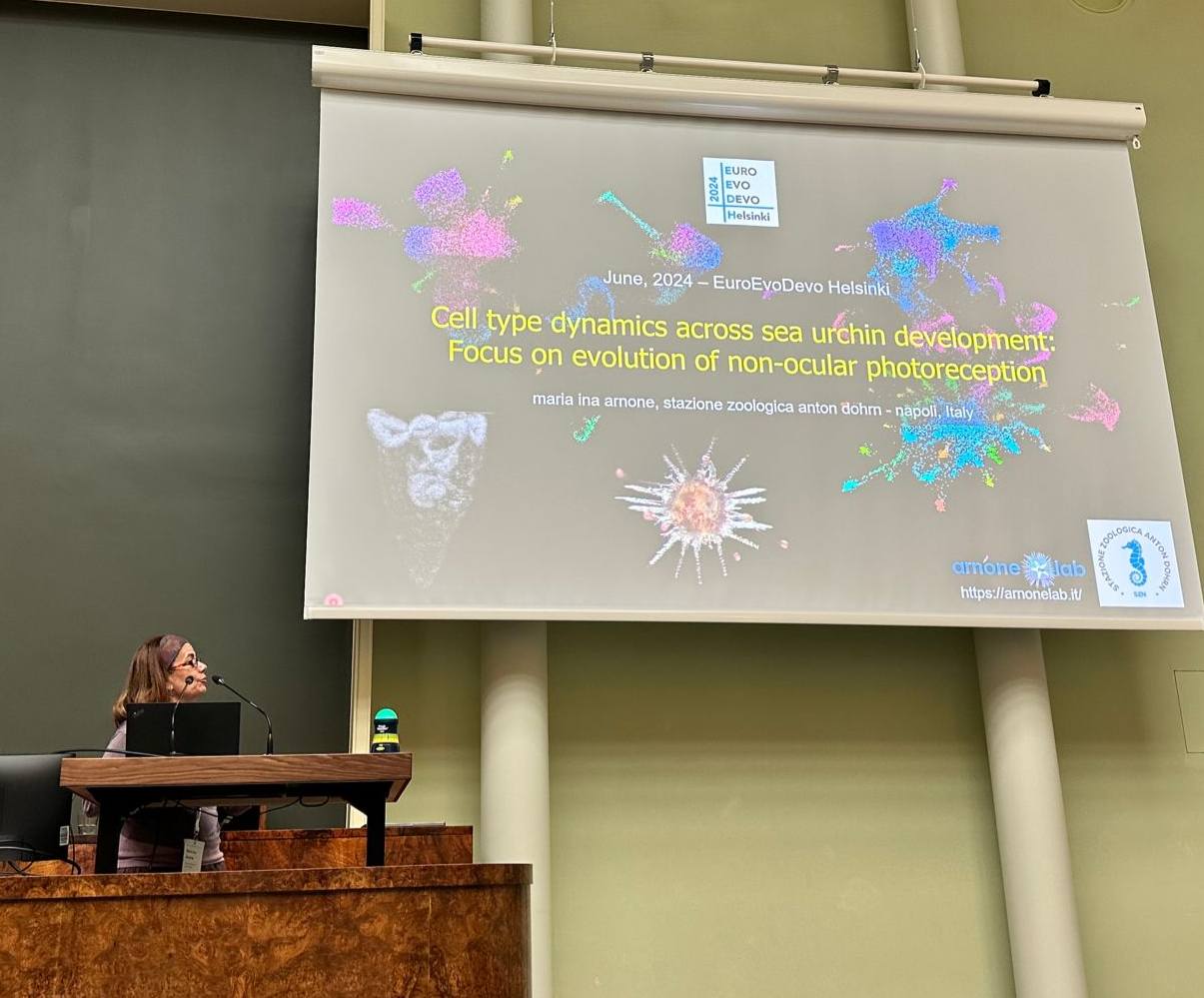
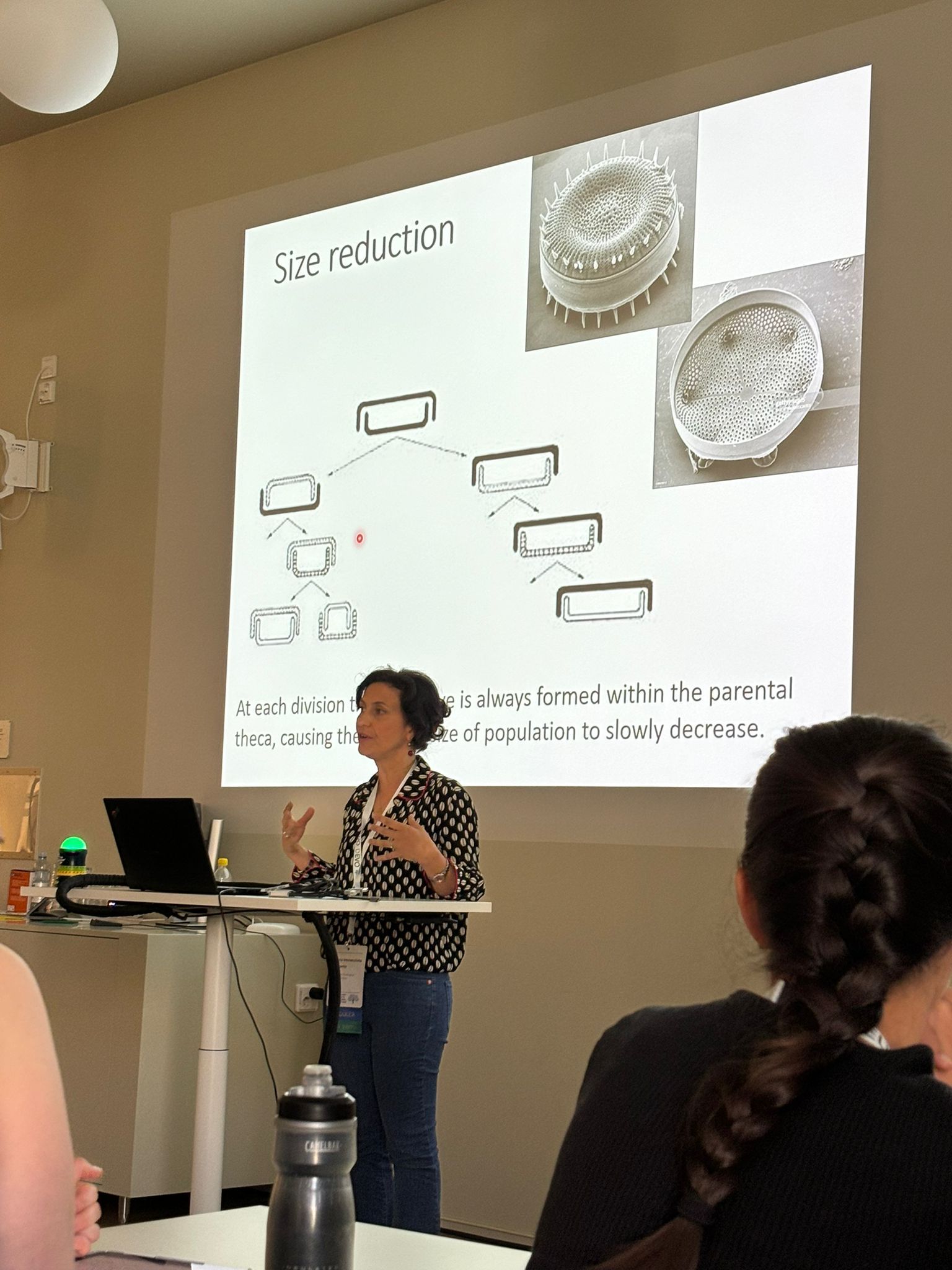
The 9th Conference of the European Society for Evolutionary Developmental Biology, EuroEvoDevo (https://www.helsinki.fi/en/conferences/euroevodevo-2024), has been held last week in the beautiful city of Helsinki, Finland. A diversity of fascinating questions, organisms and technologies were discussed at the meeting attended by more than 600 delegates from all over the world.
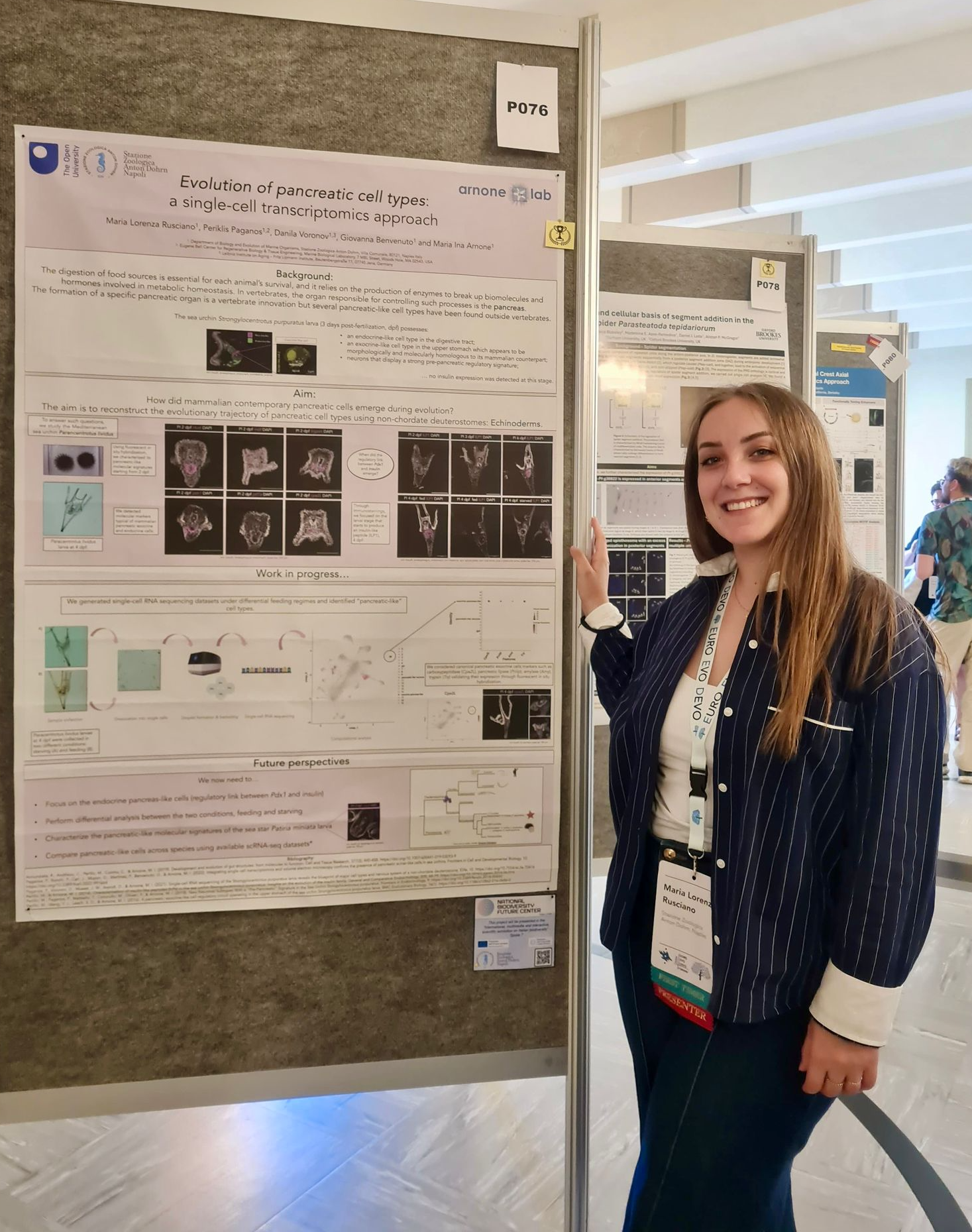
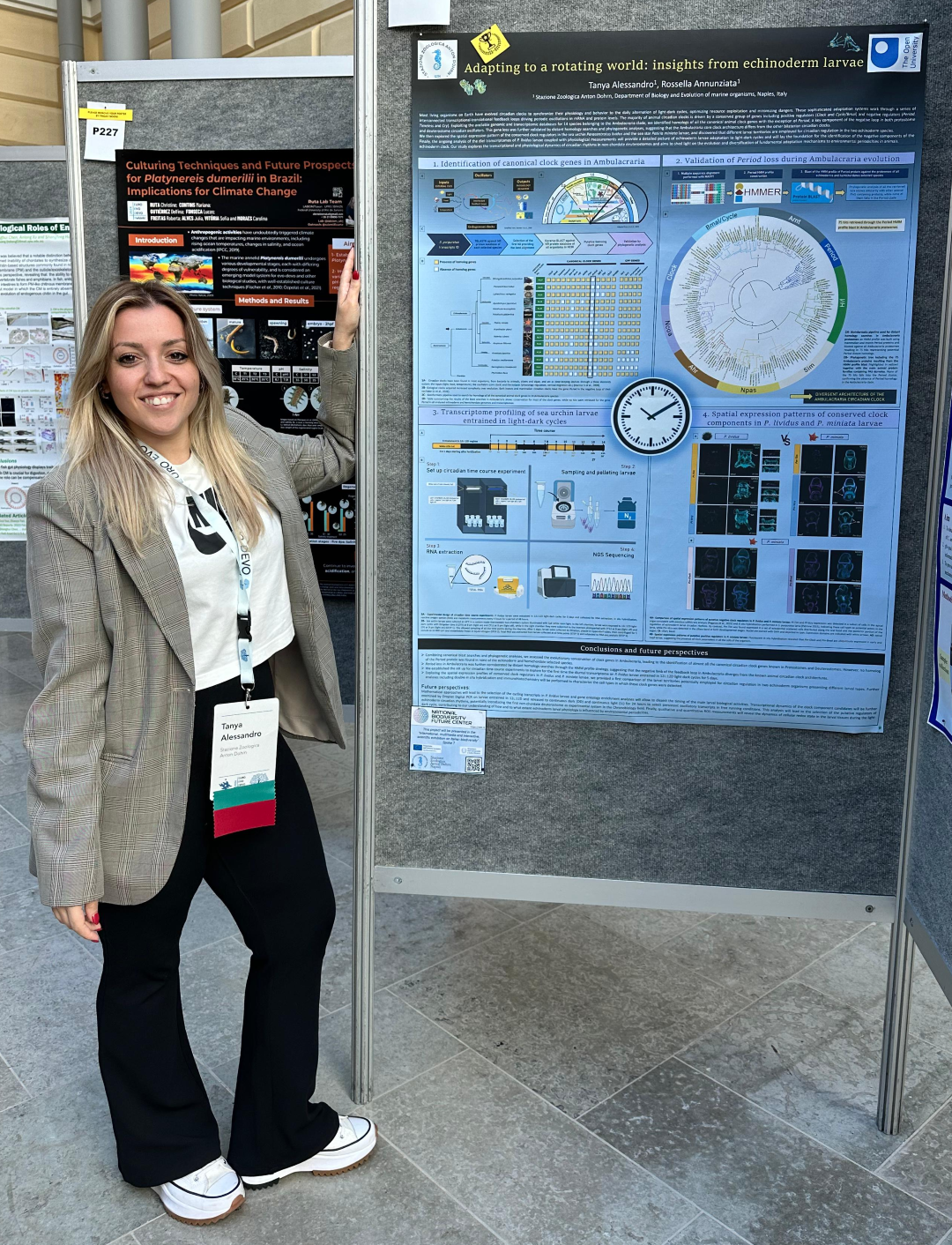
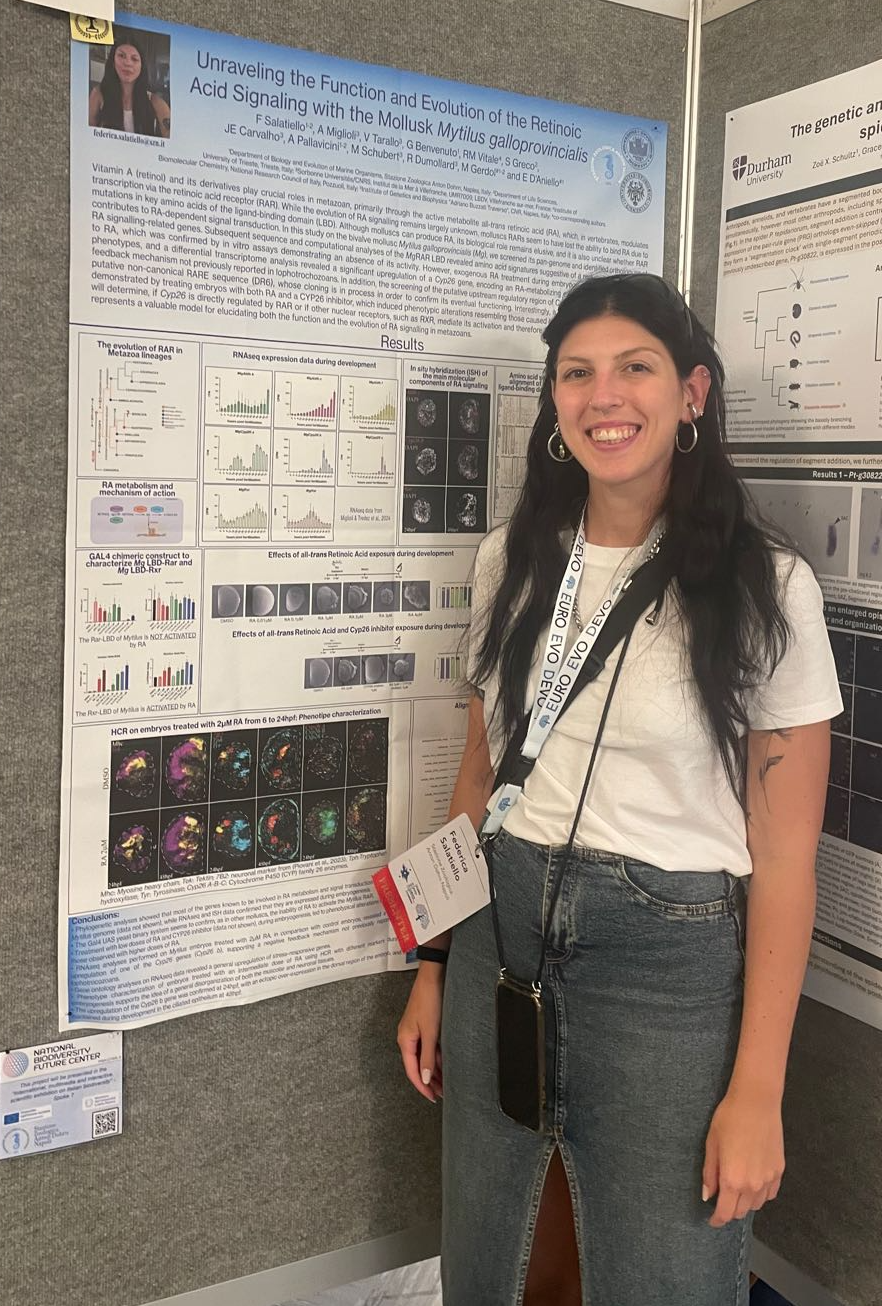
SZN was present with 12 colleagues and their contributions featured two exciting talks (Ina Arnone and Maria Cocurullo) and one poster (Lorenza Rusciano) on sea urchin development, an award-winning poster on the evolutionary role of retinoic acid during mussel embryogenesis (Federica Salatiello), and yet another poster on retinoic acid and its function in cardio-pharyngeal specification during-tunicates embryogenesis (Enrico D’Aniello). The Golgi structural changes in development and differentiation (Giovanna Benvenuto), light sensing in Octopus (Giacinto De Vivo) and the circadian clock in echinoderm larvae (Tanya Alessandro) were also lively introduced at the conference through poster presentations. Even diatoms made it to the conference, with two well received oral presentations on diatom life cycles and sexual reproduction (Mariella Ferrante and Antonella Ruggiero), and a cool poster on the response to environmental stress (Alessandra Mussi)!
SZN (Salvatore D’Aniello) was also partner in the organization of the “Amphioxus Satellite Meeting” that has seen a growing interest in comparative studies of marine invertebrate deuterostomes.
Get in touch with the SZN Researchers if you are interested in learning more on these topics.
One of the main challenges of marine organisms that inhabit the extreme-cold Antarctic waters is to stay alive without freezing. An entirely Italian research team led by Prof. Cinzia Corinaldesi of the Polytechnic University of Marche, together with colleagues from the Stazione Zoologica Anton Dohrn (Dr. Emanuela Buschi, first author of the pubblication, and the researchers Micheal Tangherlini and Sergio Stefanni), from Universities of Bologna, Ferrara and Salento, reveals, for the first time, that three endemic species of marine polychaete worms are able to resist extreme cold thanks to the production of antifreeze proteins produced by symbiotic bacteria living inside them. Researchers have discovered particular species of bacteria that are hosted, in great abundance, in the tissues of some Antarctic polychaetes. These bacteria produce antifreeze proteins, i.e. special proteins that lower the freezing point of internal liquids and make them more fluid, making "blood" circulation more efficient and better oxygenation of the animal, allowing it to adapt at low temperatures.
The study was published in Science Advances under the title “Resistance to freezing conditions of endemic Antarctic polychaetes is enhanced by cryoprotective proteins produced by their microbiome.”
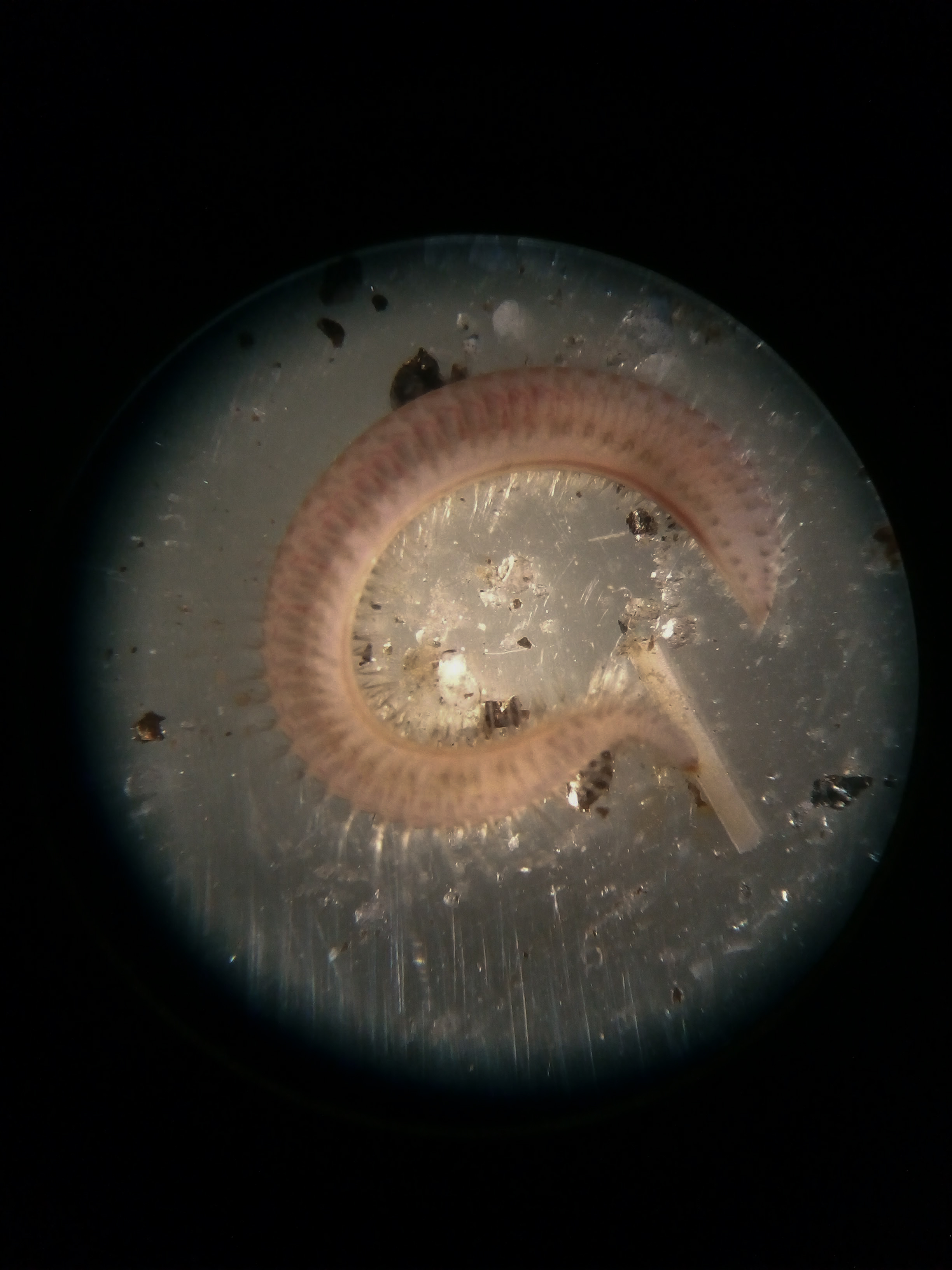
1. Antarctic worms. Credits by Michael Tangherlini (SZN)
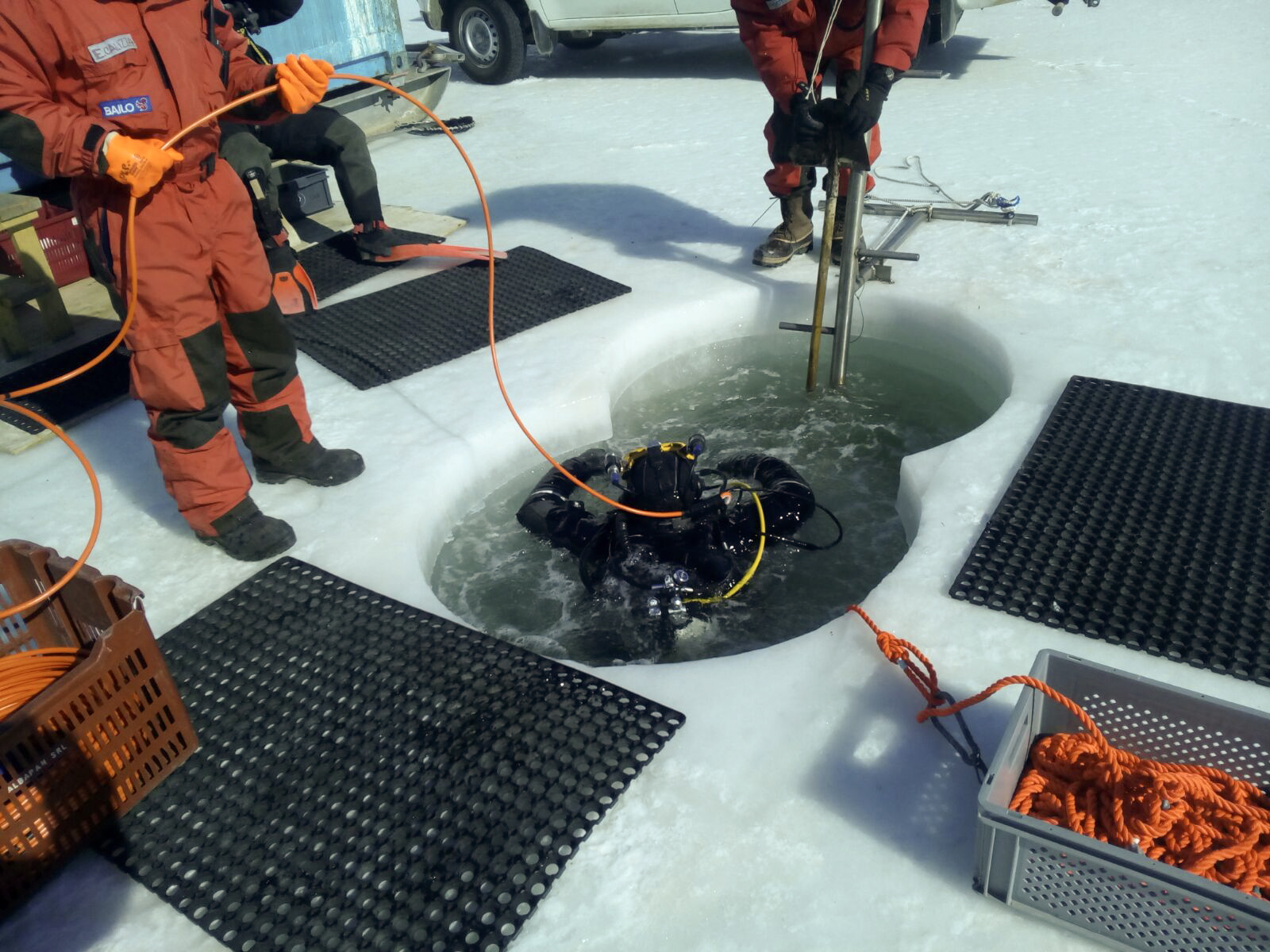
2. Sampling activity in Antarctica. Credits by Marco Lo Martire (UNIVPM)
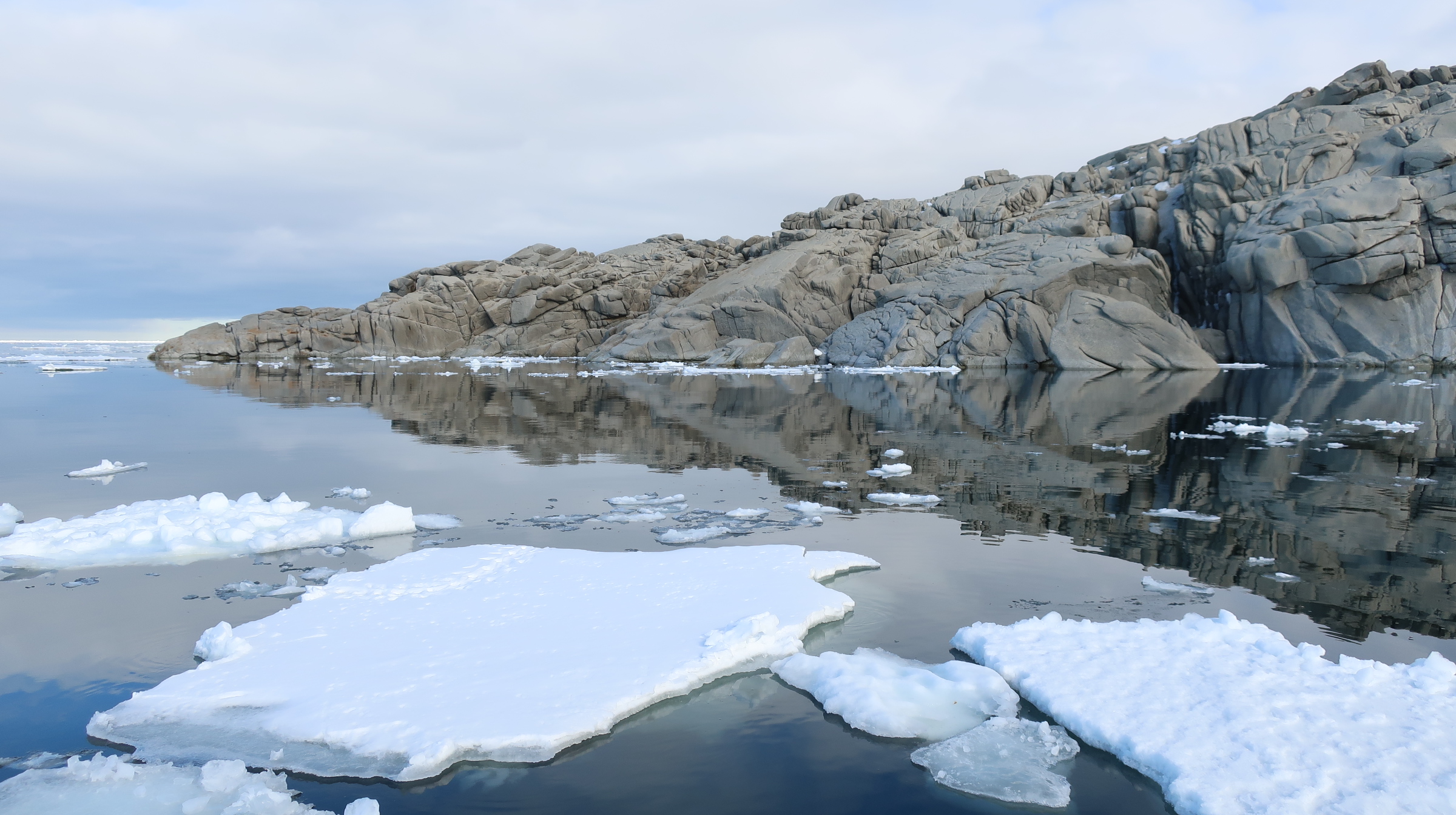
3. Antarctic landscape (Ross Sea). Credits by Marco Lo Martire (UNIVPM)
 On June 14, 2024, the biologist, philosopher and historian of science Michael T. Ghiselin, member of the California Academy of Sciences, passed away forever. His specialty and passion were nudibranchs and he was known for his criticism of the falsification of the history of Lamarckism in biology textbooks. The Stazione Zoologica (SZN) has lost another member of its family. In September 1968 Ghiselin came to the SZN for two months, taking advantage of the AIBS (American Institute of Biological Sciences) table to - we read on his file card - "use the primary sources existing in the library [the archive was not yet there] to historical studies on the influence of the theory of evolution on 19th century embryology”. The following year he published The Triumph of the Darwinian Method (California UP, Berkeley, 1969) with a tribute to Naples on the cover.

It was a bit contested, he told me, because at just thirty he was too young to allow himself to write about Darwin. He came back a few more times. To him we owe the complete bibliography of Anton Dohrn and the English translation from the German of Dohrn's programmatic work on The origin of vertebrates and the principle of succession of functions (1875, 1994) , a principle also recognized by Darwin. Ghiselin also dealt with the bioeconomic perspective on the organization of the SZN (2000) and, together with the undersigned, the impact of the SZN on Italian zoology (2001). (Christiane Groeben)
17-21 June 2024
Monumental Complex of Santa Maria la Nova and Hotel Oriente, Naples
After 24 years, the World Seagrass Association congress returns to the Mediterranean
15 scientific sessions, 10 workshops and 8 excursions are planned, with 500 participants from 48 countries.
- Main Topics:
Responses of marine plants to environmental change
Diversity of marine plant communities and interactions between species
Conservation, management and participatory science in marine plant projects - Objective: To enhance progress on the evolution and genomics of marine plants, conservation strategies and management of these crucial natural resources.
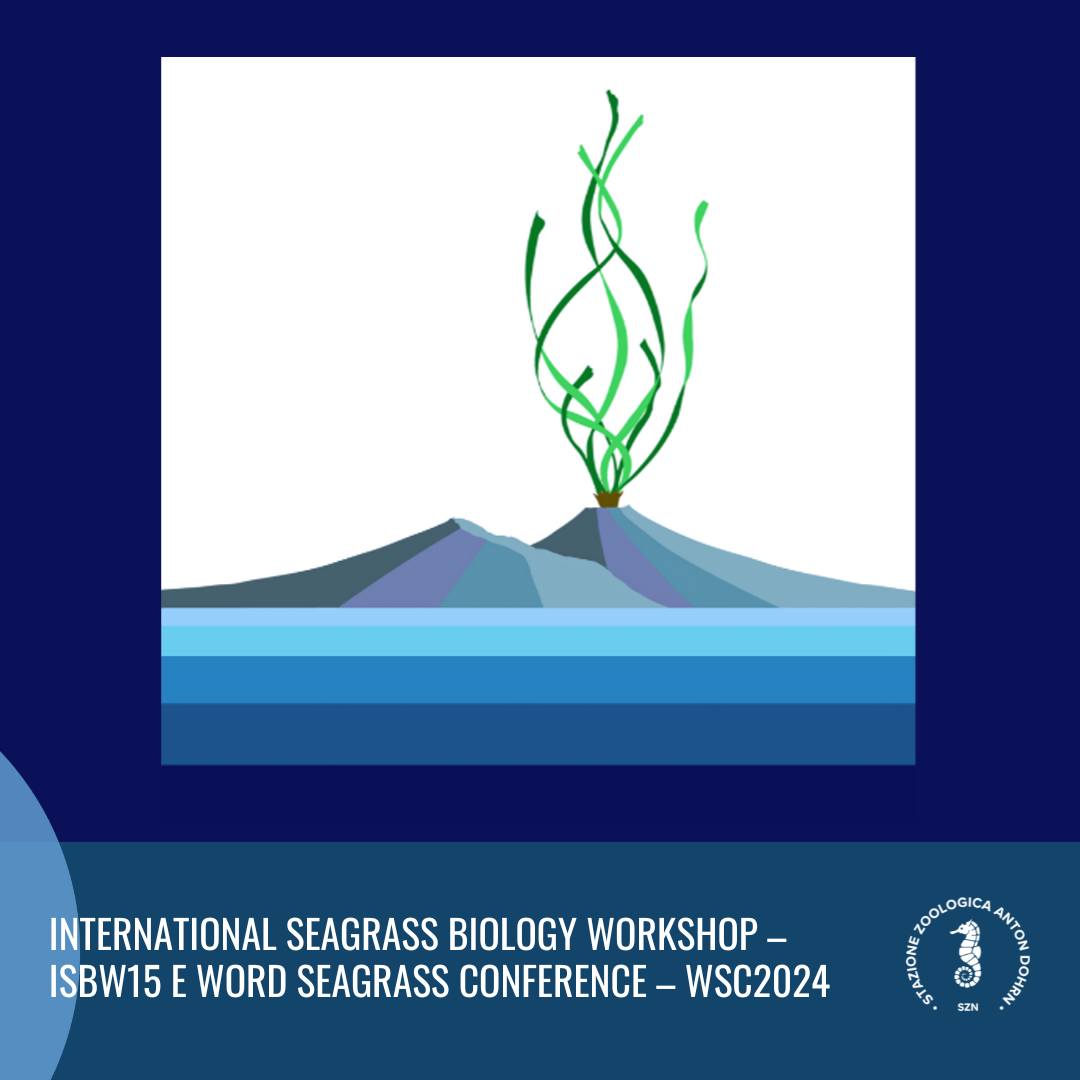
- Logo: The congress logo was created and donated by the Neapolitan artist Gennaro Regina. It represents Vesuvius, from which green Posidonia leaves erupt from the never-resting crater.
- Organizing Committee: G. Procaccini (SZN), E. Dattolo, I. Olivé, J. Pazzaglia, I. Provera, V. Zupo (SZN), G.F. Russo (Parthenope University), M.C. Stems (OGS)
Join us for this unique opportunity to share knowledge and advance seagrass conservation research!
See the program here: https://www.isbw15.it/about-the-topic-isbw15/
The PhD project will be conducted in collaboration between the Università degli Studi di Napoli Federico II and the Stazione Zoologica Anton Dohrn.
We invite applications for a PhD student to work with Dr Lucia Campese, Dr Mariella Ferrante, Dr Daniele Iudicone and Prof Donato Giovannelli on “Diatom Bloom Dynamics in a Human-Impacted Coastal Environment: Insights from Metagenomics and Metatranscriptomics”
To apply, please follow this link and the guidelines therein.
The application deadline is July 1st, 2024
The PhD project will be conducted in collaboration between the University of Pisa and the Stazione Zoologica Anton Dohrn.
We invite applications for a PhD student to work with Dr Ulisse Cardini and Prof Fabio Bulleri on “Nested microbial interactions in seagrass ecosystems”
To apply, please follow this link and the guidelines therein.
The application deadline is June 20, 2024
MultidisciPLinary Approach for the STudy of plastic litter pollution in MEDiterranean ecosystems:
from impacts to potential solutions
OCTOBER 22nd-25th, 2024 Stazione Zoologica Anton Dohrn
CRIMAC - Research Centre and Marine Advanced Infrastructures in Calabria Amendolara (CS) - Italy
PLASTMed will be the first edition of “CRIMAC Summer School” and will take place from the 22nd to the 25th of October, at the Research Centre and Marine Advanced Infrastructures in Calabria, Stazione Zoologica Anton Dohrn, in Amendolara (CS).
The PLASTMed Summer School will consist of 4 days and will focus on plastic marine pollution in the Mediterranean Sea, dealing with both biotic and abiotic environmental matrices, through a multidisciplinary approach (ecological, biotechnological and toxicological).
Contact us: This email address is being protected from spambots. You need JavaScript enabled to view it.
For more info: https://rb.gy/b6hyfs

High levels of plastic pollution can kill the embryos of a wide range of ocean animals, new research shows.
Scientists tested the effects of new PVC pellets (pre-production “nurdles” used to make many plastic products) on the development of ten species, spanning all major groups (superphyla) of ocean animals.
Exposure to high concentrations of PVC pellets prevented healthy development in all ten species.
The main process affected was morphogenesis – an organism developing its shape – and shapeless embryos cannot survive.
The study, by an international team led by the Stazione Zoologica Anton Dohrn (Italy) and in collaboration with the University of Exeter (UK), the University of Barcelona (Spain) and Queen Mary University of London (UK), highlights the “potentially catastrophic effects” of rising levels of plastic in the ocean.
“When exposed to high levels of new PVC pellets, the species we examined went wrong in different ways,” said first author Dr Eva Jimenez-Guri.
“Some failed to make a shell or a notocord, some failed to form proper bilateral (left-right) features, some just stopped developing after a few rounds of cell division.
“They all failed to make a viable embryo.”
The study also included species that reproduce asexually by regeneration (splitting) and found these were also affected by high concentrations of new PVC pellets.
“The level of pollution we examined would only be seen in circumstances such as a spill of PVC pellets,” Dr Jimenez-Guri said.
“We know these happen. For example, millions of pellets were spilled from a cargo ship off Portugal in January.
“Rivers and beaches near petrochemical plants have also been found to contain these very high levels of pre-production pellets.”
The European Union is currently debating legislation aimed to reduce releases of pre-production plastic pellets.
The study also examined the toxic effects of plastic samples recovered from beaches.
While the effects were not as widespread as those of new PVC pellets, high concentrations were found to affect the development of molluscs, sea urchins, sea stars and sea squirts.
Coasts and rivers are known hotspots for plastic pollution and – as the species in the study all live in coastal areas – severe pollution could have a major impact.
“If you have extreme pollution at a time when these species are reproducing, then you don’t have the next generation of those species,” Dr Jimenez-Guri said.
Explaining how plastics cause developmental abnormalities, Dr Jimenez-Guri said plastics contain a complex variety of potentially harmful components including zinc in this case – which are slowly released once plastic is in the water.
The research was funded by a Marie Skłodowska-Curie Action Fellowship awarded to Dr Jimenez-Guri.
The paper, published in the journal Chemosphere, is entitled: “Developmental toxicity of pre-production plastic pellets affects a large swathe of invertebrate taxa.” (https://www.sciencedirect.com/science/article/abs/pii/S004565352400780X)

Picture caption: Wild type (left) Parhyale hawaiensis (crustacean), Ciona intestinalis (tunicate) and Exaiptasia diaphana (cnidarian) beside the same stage animals treated with PVC pellet leachates (right).
The research team led by Dr. Maria Ina Arnone at Stazione Zoologica Anton Dohrn published a new paper describing the development and characterization of the cells producing the Thyrotropin-releasing hormone (TRH) from early developmental stages to post-metamorphosis juvenile stage.
Sea urchins have a complex development, the embryonic stages are followed by the larva stage, called pluteus. The larva does not resemble the adult, which is produced by metamorphosis. Throughout development, the nervous system becomes more and more complex. Using techniques to visualize mRNAs and proteins, it is possible to identify specific neurons, obtain information on their function and follow their changes over the course of development.
In this study, the research team focused their attention on a specific group of neurons (called TRHergic cells) which produce a homolog of the TRH, a hormone found in the brain controlling thyroid function in mammals. In particular, the researchers identified the TRHergic cells at different developmental stages in the Mediterranean sea urchin species Paracentrotus lividus showing how the number of cells and axons increases and eventually form an extensive net of TRHergic neurons. Such net colonizes almost all juvenile’s structures, including spines and tube feet.
Finally, the researchers identified other genes expressed by the TRHergic cells in the P. lividus and compared these cells with the TRHergic cells in other sea urchins: Strongylocentrotus purpuratus, Arbacia lixula and Heliocidaris tuberculata; thus they investigated how these neurons evolved.
The paper has been published in Frontiers in Neuroscience
(https://www.frontiersin.org/journals/neuroscience/articles/10.3389/fnins.2024.1378520/full), and it was performed in Dr. Arnone’s laboratory at Stazione Zoologica Anton Dohrn by Dr. Maria Cocurullo in collaboration with Dr. Periklis Paganos and Dr. Giovanna Benvenuto.


Copyright © 2015 by Stazione Zoologica Anton Dohrn Napoli - Italy
Villa Comunale, 80121 Napoli - Tel.+39 081 5833111 - C.F./P.IVA : IT 04894530635 - PEC: ufficio.protocollo(at)cert.szn.it